Estuaries Facts For Kids
Estuaries are dynamic coastal ecosystems where freshwater and saltwater converge, creating vital habitats for diverse wildlife and serving important ecological functions.
Select reading age
Estuaries Facts For Kids
Videos & Quizzesincluded
About this topic
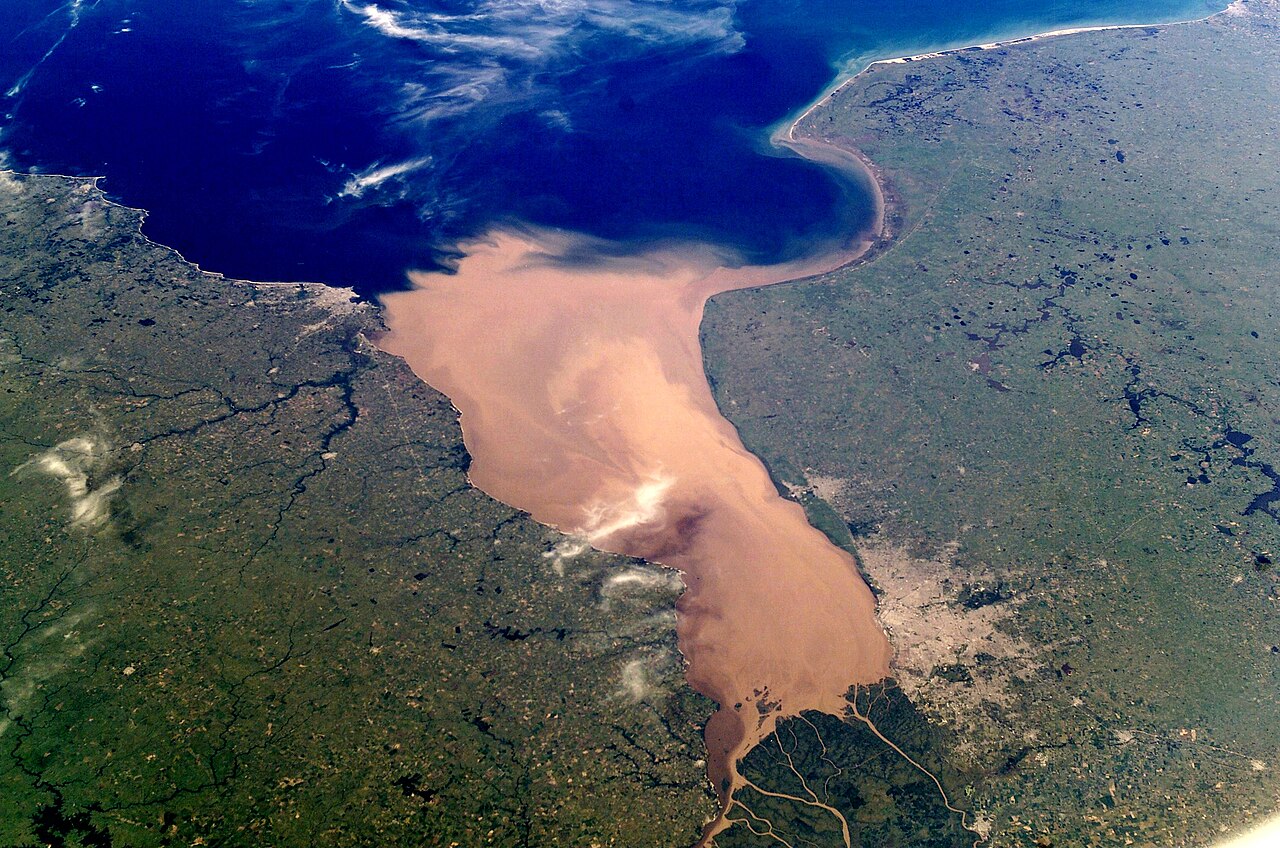
Estuaries are special places where rivers meet the sea! 🌊When freshwater from rivers combines with salty ocean water, it creates a unique habitat. Estuaries are found all over the world, like the Chesapeake Bay in the USA and the Thames Estuary in the UK. These areas can be muddy, sandy, or filled with marshy plants. Many animals, like fish and birds, depend on estuaries for food and shelter. Estuaries are also important nurseries for baby fish, helping them grow before heading out to the open ocean! 🐟
Explore with ChatDinoKey Points
Humans can affect estuaries in many ways.
Estuaries are bursting with life!
There are four main types of estuaries based on how they form: 🌊 1.
Estuaries are very valuable to people!
Estuaries can be found everywhere, but they are most common where rivers flow into oceans!
Many people and organizations work hard to protect estuaries!
Estuaries are super important for our environment!
Scientists and researchers study estuaries to learn more about our environment!
Photos of Estuaries

Mattole River estuary

New York–New Jersey Harbor Estuary


Estuary mouth located in Darwin, Northern Territory, Australia

A crowded estuary mouth in Paravur near the city of Kollam, India

Estuary mouth of the Yachats River in Yachats, Oregon

Processes that nitrogen undergo in estuarine systems

A salt marsh with wood storks wading

Example of a whitefish
🏘️ Human Impact
Humans can affect estuaries in many ways. 🏘️ Sometimes, we build cities and homes too close to them, which can hurt the plants and animals that live there. Pollution from factories, farms, and roads can wash into estuaries and make the water dirty. Overfishing can also harm fish populations. In some places, people drain estuaries to create land for agriculture or buildings. It’s important for us to be careful and protect these special areas so that plants, animals, and people can all thrive together! 🌏
Go deeper🌟 Flora And Fauna
Estuaries are bursting with life! 🌟The plants found there are called *flora*, and they can include marsh grasses and mangroves. These plants provide shelter and food for many animals. The *fauna*, or animals, in estuaries include fish like salmon, crabs, birds like herons, and even mammals like otters! Many birds stop by during migrations because estuaries are full of tasty snacks. Did you know that the famous bald eagle can be spotted near estuaries? These habitats are vital for keeping animal populations healthy! 🦅
Go deeper🌊 Types Of Estuaries
There are four main types of estuaries based on how they form: 🌊
1. Coastal Plain Estuaries: These are formed when sea levels rise and flood river valleys. Examples include the San Francisco Bay.
2. Tectonic Estuaries: These happen when the Earth's crust shifts creating depressions. An example is the Monterey Bay.
3. Bar-Built Estuaries: These form when sandbars block off a part of the sea. The Outer Banks in North Carolina are a great example!
4. Fjord Estuaries: These are created by glaciers. The beautiful Sognefjord in Norway is one of these. 🌍Each type has its own unique characteristics!
Go deeper1. Coastal Plain Estuaries: These are formed when sea levels rise and flood river valleys. Examples include the San Francisco Bay.
2. Tectonic Estuaries: These happen when the Earth's crust shifts creating depressions. An example is the Monterey Bay.
3. Bar-Built Estuaries: These form when sandbars block off a part of the sea. The Outer Banks in North Carolina are a great example!
4. Fjord Estuaries: These are created by glaciers. The beautiful Sognefjord in Norway is one of these. 🌍Each type has its own unique characteristics!
💰 Economic Importance
Estuaries are very valuable to people! 💰They provide fish and shellfish, which are popular foods for many cultures. The fishing industry relies on healthy estuaries to catch species like shrimp and crabs. Additionally, estuaries support tourism by attracting visitors who love to boat, fish, and observe wildlife. People also enjoy photographing the beautiful scenery and birds found in these areas. Moreover, estuaries play a big role in recreational activities, which helps local economies thrive! By protecting estuaries, we help ensure our community’s economic health too. 🎣
Go deeper🌊 Estuarine Geography
Estuaries can be found everywhere, but they are most common where rivers flow into oceans! 🌊The land around estuaries is usually flat and low. When tides come in and out, they change the water levels and can create mudflats and salt marshes. Some famous estuarine regions include the Amazon River Estuary in Brazil and the Ganges River Estuary in India. These areas can have different climates, like tropical or temperate, which influences the plants and animals living there. Estuary geography is fascinating and diverse! 🌍
Go deeper🌳 Conservation Efforts
Many people and organizations work hard to protect estuaries! 🌳They set up protected areas, like national parks, and create laws to reduce pollution. In the USA, the National Estuary Program helps restore and protect estuaries all over the country. Volunteers often help clean shores and plant new plants to replace those that have been lost. Education about how estuaries work is also vital for the public. By learning more, everyone can play a role in ensuring these precious habitats stay safe and healthy for future generations! ❤️
Go deeper🌱 Ecological Importance
Estuaries are super important for our environment! 🌱They act like a natural filter, cleaning pollution from rivers before it reaches the ocean. This process helps keep the water healthy for plants and animals. Estuaries provide a safe space for many species to grow and live. They also help protect coastlines from storms and flooding. In fact, the mangroves and marshes found in estuaries can absorb big waves and reduce erosion! By protecting these habitats, we're also helping the creatures and plants that live there.
Go deeper🔬 Research And Education
Scientists and researchers study estuaries to learn more about our environment! 🔬They look at water quality, plant and animal life, and how human activities affect these habitats. Research helps us understand how to keep estuaries healthy. Schools often take students on field trips to explore estuaries first-hand, teaching them about the eco-systems and the importance of conservation. Local communities also host workshops to engage people in protecting these areas. By learning together, we can make a difference and keep our estuaries vibrant and thriving for everyone! 🌿
Go deeper