Esperanto is a constructed language created to facilitate communication among people from different countries, aiming to eliminate language barriers.

Set reading age
View for Kids
Easy to read and understand
View for Students
Clear, detailed explanations
View for Scholars
Deep dives and big ideas
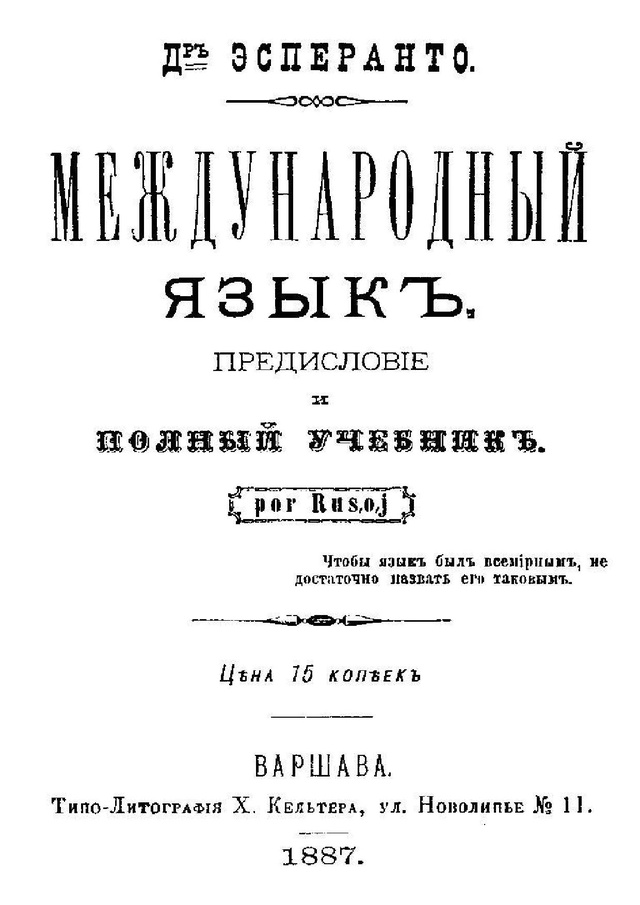
Esperanto is a special language created to help people from different countries talk to each other 🌍. It was invented in 1887 by a Polish doctor named Ludwik Zamenhof. The goal was to make a simple, easy-to-learn language that everyone could use. Esperanto combines words and grammar from many languages like English, Spanish, and Russian, allowing people around the world to communicate better. Today, millions of people use Esperanto, and it can be found in books, songs, and even movies! 🎶✨
Esperanto has had a big impact on different cultures around the world! 😃People who speak Esperanto often create music, art, and movies in their language. Various festivals celebrate Esperanto culture, such as the Universal Esperanto Congress held every year since 1905. 🎊Books have also been translated into Esperanto, including famous works like "The Adventures of Tom Sawyer!" Additionally, there are Esperanto-speaking communities where people share their culture, traditions, and friendships. This way, Esperanto helps people share their stories and ideas, creating a unique cultural blend! 🎨
Learning Esperanto is exciting and fun! 🎈Many resources are available, such as books, websites, and apps like Duolingo! These tools help kids and adults learn this language step by step. Teachers around the world sometimes include Esperanto in their classes because it can be a great introduction to language learning! 🙌Plus, it's a great way to make friends from other countries. Through games, conversations, and songs, you can quickly understand how to speak and write in Esperanto while exploring different cultures together! 🌍
Ludwik Zamenhof wanted to help everyone understand each other! He lived in Poland, where many languages were spoken. In 1887, he published a book called "Unua Libro," which featured Esperanto for the first time 📚. Zamenhof hoped that his new language would stop wars and bring people together. Over the years, people from many countries learned Esperanto and held meetings called congresses. The first international gathering happened in 1905 in France! 🎉As more people shared the language, it grew into a global community where friends could connect easily.
Esperanto has simple grammar rules that make it fun to learn! 🧐For example, nouns always end in "o", adjectives end in "a", and verbs have different endings based on their tense. For instance, "vidi" means "to see", while "vidas" means "sees". One cool fact is that there are no irregular verbs like in English, so learners find it easier! 🌈Esperanto has 16 grammar rules that make it more straightforward than most languages. With just a little practice, anyone can start speaking and writing in Esperanto like a pro! 📝
People from over 100 countries speak Esperanto as a second language! 🌏Cities like Tokyo, Buenos Aires, and Paris have active Esperanto communities. Anyone can learn this language, and many speakers use it for travel and making new friends! 🌍Some gather at international congresses and events to share their love for the language! Esperanto speakers often connect with others online, providing a unique way to break language barriers. While it might not be as widely spoken as English or Spanish, Esperanto continues to grow and connects people from different cultures every day! 🤗
Esperanto’s vocabulary is a mix of words from various languages! 🌐Some are similar to English, like "telefon" (telephone) and "music" (muziko), making it easier for English speakers to learn. Other words come from French, German, and Italian. The language has around 20,000 root words, and by adding prefixes and suffixes, you can create new words quickly! 🛠️ For example, "bel" means "beautiful," and "bele" means "beautifully." This way of building words helps everyone understand and express themselves better, no matter where they're from!
Esperanto has many literary works, from poetry to novels! 📖One famous author is William Auld, a Scottish poet renowned for writing in Esperanto. His works include the epic poem "Lando de Mielo" (Land of Honey). Additionally, some classics, like “The Little Prince” by Antoine de Saint-Exupéry, have been translated into Esperanto! 📚There are even original books written in Esperanto that can only be found in this language. This blossoming literary scene allows Esperanto speakers to enjoy and share stories, poems, and ideas across the world! 🌌
Esperanto is present in technology too! 💻Several websites and social media platforms support the language, allowing people to connect globally. There are forums where speakers can chat and share ideas! Additionally, many translation tools and apps help users learn and practice Esperanto. 🎮Video games also feature Esperanto, allowing players to learn while playing. Programmers and developers even create software in Esperanto. This blend of technology and language helps keep Esperanto alive and thriving in our digital age! 🌐🚀
While many love Esperanto, some people criticize it too! 😟Some say that because it is a constructed language, it doesn't have the same depth as natural ones. Others think it can't replace other languages as a world language. However, supporters argue that Esperanto promotes friendship and understanding among diverse cultures 🌈. Some even believe that it can help learners understand other languages better! Like many things, there will always be different opinions, but what's important is the effort to communicate and connect with one another! 🌉
There are many organizations dedicated to promoting Esperanto, including the World Esperanto Association! 🌎This group connects Esperanto speakers around the globe and organizes events and learning opportunities. Local clubs and online communities also help people practice their skills. For example, the "Pasporta Servo" connects travelers who speak Esperanto, offering them a place to stay while discovering new countries! 🚀In these communities, friendships blossom, and language skills improve. By working together, Esperantists create a supportive atmosphere that encourages people to learn and share! 🤝


DIY is a creative community where kids draw, build, explore ideas, and share.
No credit card required