Equisetum Arvense Facts For Kids
Equisetum arvense, commonly known as field horsetail, is a hardy perennial plant native to the Northern Hemisphere, recognizable by its unique hollow stems and ancient lineage.
Select reading age

Equisetum Arvense Facts For Kids
Videos & Quizzesincluded
About this topic
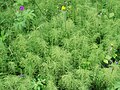
Equisetum arvense, also known as field horsetail or common horsetail, is a fascinating plant 🌱! It belongs to a group of plants called “ferns”, which means it doesn’t have flowers or seeds. Instead, it has green, thin stems that look like tiny trees! You can find it growing in fields, roadsides, and wetlands all over the world, especially in cool places like Europe, North America, and Asia. This plant can grow up to 12-24 inches tall and is one of the oldest plants on Earth, dating back over 300 million years! 🌍
Explore with ChatDinoKey Points
Did you know that horses used to eat field horsetail?
Field horsetail is more than just a pretty plant!
Field horsetail has some unusual characteristics!
Field horsetail plays a special role in our ecosystem!
Equisetum arvense grows in remarkable ways!
Field horsetail loves cool, damp places, like forests, fields, and along riverbanks!
Field horsetail is relatively common, but it still faces some challenges!
Let's break down the name!
People have used field horsetail for many years!
Photos of Equisetum Arvense


Drawing of a fertile stem of E. arvense, 10 cm as drawn. At the top is the strobilus, which consists of the axis (inside) and 15–20 horizontal circles of about 20 sporangiophores. Lower on the stem are two sheaths of merged microphylls. The stem has many strong lengthwise ridges.
Equisetum Arvense — photo 3

Equisetum Arvense — photo 4
Equisetum Arvense — photo 5

Equisetum Arvense — photo 6
🐴 Interesting Facts
Did you know that horses used to eat field horsetail? 🐴They loved it! Another fun fact: horsetails are believed to be one of the oldest living plants and have been around since dinosaurs roamed the Earth! 🌍While the plant doesn’t produce flowers, it can live for many years and even up to 100 years in the right conditions! Isn’t that impressive? Lastly, you can tell how old a horsetail is by counting the nodes or segments on its stem—how cool is that? 🌟
Go deeper💊 Medicinal Properties
Field horsetail is more than just a pretty plant! People have discovered its medicinal value, too. 💊It contains silica, which is good for our bones, skin, and hair! Some herbalists mix horsetail into treatments for helping wounds heal faster! The plant may also be used as a diuretic, which means it helps the body remove extra water. However, it's essential to consult a healthcare provider before trying herbal remedies, because everyone's body is different! 🩺So, remember to always ask a grown-up!
Go deeper🍃 Morphology And Anatomy
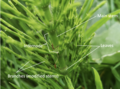
Field horsetail has some unusual characteristics! Its stems are hollow and segmented, kind of like straws. 🍃The green stems are what you see above ground, while it also has underground roots called rhizomes. In spring, you might see brown, cone-like structures emerge; these are called strobili and help produce spores instead of seeds. The leaves of the plant are small and cover the stem like little scales! The plant can survive in many conditions, but it needs water to thrive—just like we need water! 💧
Go deeper🌎 Ecological Significance
Field horsetail plays a special role in our ecosystem! 🌎Its roots help stabilize the soil, making it harder for erosion to happen. This is super important in maintaining healthy land and habitats for other plants and animals! 🐦Many wildlife creatures, like insects, use horsetail as food or shelter. Moreover, the spores of the plant are spread by wind, helping to introduce this plant to new areas. By taking part in the ecosystem, field horsetail encourages biodiversity and helps keep our environment in balance! ⚖️
Go deeper🌱 Growth And Reproduction
Equisetum arvense grows in remarkable ways! 🌱This plant reproduces using spores instead of seeds. During spring, the brown strobili appear and release spores into the air. When the spores land in moist soil, they can grow into new plants! The green stems that arrive later on are part of the same plant. The horsetail can spread quickly thanks to its underground rhizomes, making it quite successful in finding new places to grow! 🌱It’s like a natural ninja—always ready to pop up in new spots!
Go deeper🌊 Habitat And Distribution
Field horsetail loves cool, damp places, like forests, fields, and along riverbanks! 🌊It is found in many parts of the world, especially in the Northern Hemisphere. You can spot it growing in places like Canada, the USA, Europe, and parts of Asia. These plants like slightly acidic soil and can often be seen pushing through the ground in spring. It’s like a little green army marching forward after winter! 🌳They are very helpful as they help prevent soil erosion with their root systems.
Go deeper⚠️ Threats And Conservation
Field horsetail is relatively common, but it still faces some challenges! ⚠️ Pollution, habitat loss, and climate change can harm this valuable plant. As cities grow and natural areas change, horsetail may struggle to find the right conditions to grow. It’s essential to protect their habitats and reduce pollution to keep these amazing plants thriving! 🌳You can help by encouraging your family to plant native species, maintain green spaces, and learn more about protecting the environment. Together, we can make a difference!
Go deeper🐴 Taxonomy And Classification
Let's break down the name! "Equisetum" comes from Latin, meaning "horse bristle," because its stems look a bit like horse tails. 🐴The full scientific name is Equisetum arvense, and it belongs to the Equisetaceae family. This family is known for its unique history; horsetails are related to ferns and have existed since the time of the dinosaurs! 🦖It sits in the division called Pteridophyta. Remember, scientific names have a special order: Kingdom > Division > Class > Order > Family > Genus > Species!
Go deeper🌿 Cultural Uses And Applications
People have used field horsetail for many years! 🌿In ancient times, it was used for cleaning because its rough texture could scrub pots and pans. Today, some cultures use this plant in herbal medicine. It's believed to help with healing wounds and improving hair health! Additionally, the plant is sometimes used in gardens to create natural decorations. 🎨It can also be found in craft projects, as the plant’s unique shape can inspire creativity in making art materials!
Go deeper