Epitaph Facts For Kids
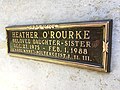
An epitaph is a short text on a tombstone that honors a deceased person, often reflecting their life and personality.
Select reading age

Epitaph Facts For Kids
Videos & Quizzesincluded
About this topic
An epitaph is a special message that is written on a tombstone to remember someone who has passed away. 🌟These words honor the person's life and often tell us something about who they were. For example, an epitaph can describe their character, achievements, or say something the person loved. People from all over the world create epitaphs as a way of remembering their friends and family. Epitaphs can be funny, sad, or even poetry! They help us think about our loved ones and celebrate their lives while they rest peacefully. 🕊️
Explore with ChatDinoKey Points
Some epitaphs have gained fame because of who they honor!
Epitaphs can look very different in various cultures.
Epitaphs have existed for thousands of years!
Epitaphs often appear in literature and poetry!
Some people are known for their amazing epitaphs!
Certain themes and phrases pop up frequently in epitaphs!
Did you know that there are laws about epitaphs?
Epitaphs can be personalized in many fun ways!
Epitaph design has changed over time!
Epitaphs are important in art and architecture!
Photos of Epitaph

Ledger stone with epitaph in ledger lines of Sir John Harsyck (d. 1384), South Acre Church, Norfolk


Epitaph — photo 5


Epitaph — photo 8

💬 Famous Epitaphs
Some epitaphs have gained fame because of who they honor! One well-known epitaph is that of William Shakespeare, the famous English playwright. It reads: "Good frend for Jesus sake forbear, To dig the dust enclosed here." 💬 Another famous epitaph belongs to Albert Einstein, the brilliant scientist, where it says, "Strange is our situation here on Earth." These epitaphs remind us of the unique contributions these people made to our world. Famous epitaphs are often found in graveyards like Westminster Abbey in London or Poets' Corner! 🎭
Go deeper🌍 Cultural Variations
Epitaphs can look very different in various cultures. 🌍In Japan, people often use haiku, a three-line poem, to honor the deceased. In Mexico, during "Día de los Muertos" (Day of the Dead), people write colorful messages on altars instead of tombstones. In many Christian traditions, epitaphs include Bible verses, while in Buddhist traditions, they might focus on peacefulness and cycles of life. Cultures around the world use epitaphs to express love and remembrance in unique ways that reflect their beliefs and values. ❤️
Go deeper📜 History Of Epitaphs
Epitaphs have existed for thousands of years! 📜The oldest known epitaphs were found in ancient Egypt, dating back over 5,000 years. Egyptians wrote epitaphs on tombstones to guide souls in the afterlife. In ancient Greece and Rome, they would carve beautiful poems on tombs to honor heroes. One famous example is the epitaph for the poet Sappho, who lived around 600 B.C. In medieval times, epitaphs became more common in Europe. They grew to include messages in stone as people wanted to remember their loved ones forever! ⏳
Go deeper📚 Epitaphs In Literature
Epitaphs often appear in literature and poetry! 📚Many authors use them to add emotion or to remember characters. For example, in Shakespeare's "Romeo and Juliet," a poignant epitaph is given to the star-crossed lovers, symbolizing their tragic story. Similarly, the writer Emily Dickinson cleverly plays with epitaphs, as seen in her poem "The Bustle in a House." Epitaphs in literature can evoke strong feelings and help us think about life, death, and love. Readers can find many creative uses of epitaphs in various books! ✍️
Go deeper📜 Notable Epitaph Writers
Some people are known for their amazing epitaphs! 📜A famous one is Sigmund Freud, who was an important psychologist. His tombstone simply says, "The great novelist and poet," because he greatly influenced art and literature. Another well-known epitaph writer is the poet W. H. Auden, who wrote memorable phrases that are still used today. Many families also create their own personalized epitaphs, but some famous writers have made them famous around the world! These notable authors and their words inspire love and remembrance! ✨
Go deeper💡 Common Themes And Phrases
Certain themes and phrases pop up frequently in epitaphs! 💡Common themes include love, family, and friendship. Phrases like "Beloved mother" or "Rest in peace" are often used. Some epitaphs celebrate adventures, such as "Gone fishing," while others reflect life lessons, like "Live as if you were to die tomorrow." Many epitaphs also express hope of reuniting one day. These themes and phrases help people feel comforted and remembered, allowing for personal connections and beautiful memories to endure! 🕊️
Go deeper⚖️ Legal Aspects Of Epitaphs
Did you know that there are laws about epitaphs? ⚖️ Every country has its own rules about what can be written on tombstones. In some places, you might need permission to use certain materials or styles. Families often must follow guidelines set by cemeteries. Sometimes, there are limits to the length of an epitaph, too! Laws help keep cemetery spaces neat and respectful. It’s important to remember to respect these laws while commemorating loved ones, ensuring their memories are cherished in a thoughtful way. 🏰
Go deeper🎨 Personalization Of Epitaphs
Epitaphs can be personalized in many fun ways! 🎨Families often include nicknames, hobbies, and favorite sayings to celebrate the loved one. For example, someone who loved gardening might have an epitaph that says, "In the garden of eternity." 😊 Some people even add symbols like hearts, stars, or animals that represent the person's personality. Personalizing an epitaph makes it special and unique, telling a story that only the family can know. This way, the memory lives on in a beautiful way for all who visit! 🌼
Go deeper🎉 Modern Trends In Epitaph Design
Epitaph design has changed over time! 🎉Nowadays, many families choose creative designs for tombstones. Some opt for colorful artwork, while others may include QR codes that link to a webpage about the person. Personalized sculptures or natural materials made of wood or glass are becoming popular, too. A recent trend is the use of biodegradable urns that grow into trees, allowing loved ones to be remembered in nature 🌳. These modern designs show how families embrace new ideas to honor their loved ones meaningfully! 🌈
Go deeper🎨 Epitaphs In Art And Architecture
Epitaphs are important in art and architecture! 🎨Many beautiful sculptures and elaborate tombstones can be found in famous places like Père Lachaise Cemetery in Paris, where many famous people rest. Artistic epitaphs can be seen with stunning carvings and designs that express the personality of the deceased. Some artists are inspired by epitaphs, creating paintings or sculptures based on them. Notable architecture, like the Taj Mahal in India, includes inscriptions and epitaphs to honor loved ones. Epitaphs help blend creativity with memory, making places more beautiful! 🏛️
Go deeper