Empire Style Facts For Kids
Empire Style is an elegant early-1800s design movement characterized by grandeur in architecture, furniture, and decorative arts, inspired by ancient cultures.
Select reading age

Empire Style Facts For Kids
Videos & Quizzesincluded
About this topic
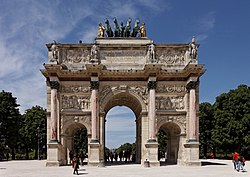
Empire style is a cool design movement that started in the early 1800s! 🇫🇷 It began in France during the time of Napoleon Bonaparte. The Empire style is all about fancy and grand details in buildings, furniture, and decorations. People wanted to show off their pride in the French Empire, so they created amazing designs that took inspiration from ancient Greece and Rome. 🏛️ This style aimed to represent strength and power. Exciting, isn’t it? Empire style is like a time machine that shows us how people lived and created art a long time ago!
Explore with ChatDinoKey Points
Empire style isn't just about buildings; it also influences how people decorate inside!
Many famous architects helped create the Empire style!
Empire style emerged during Napoleon Bonaparte's rule in France (1804-1814).
Empire style draws a lot from ancient Greece and Rome!
While Empire style began in France, it spread to many other countries!
The influence of Empire style can still be seen in today's architecture!
Empire architecture is known for its grand and dramatic features!
Empire style gradually lost its popularity around the mid-1800s as new design movements appeared, like Romanticism and Gothic Revival.
Many buildings around the world showcase Empire style!
Furniture from the Empire period is stunning and often quite large!
Photos of Empire Style

Empire Style — photo 1

Empire Style — photo 2

Empire Style — photo 3

Empire Style — photo 4

Empire Style — photo 5

Empire Style — photo 6
Empire Style — photo 7

Empire Style — photo 8

Empire Style — photo 9
🛋️ Empire Style In Interior Design
Empire style isn't just about buildings; it also influences how people decorate inside! 🛋️ Rooms were often filled with rich fabrics like silk and velvet in royal colors. Gold and ornate decorations, like gilded mirrors and huge chandeliers, made spaces pop! 🕯️ Furniture featured bold shapes and was decorated with engravings. Living rooms, dining areas, and bedrooms looked grand and luxurious! People wanted their homes to feel like mini-palaces! This interior design style made every corner of a home shine with elegance!
Go deeper🏛️ Prominent Empire Style Architects
Many famous architects helped create the Empire style! One of them is Jean-Nicolas Servandoni, who designed beautiful buildings and gardens. Another great name is Pierre Fontaine, who created fantastic interiors for palaces. 🏛️ Charles De Wailly was also an important figure as he built structures that are still admired today! Many of these architects worked on government buildings and homes for wealthy families. They wanted their designs to represent the glory of Napoleon's Empire! Their work shaped how we see architecture from that time.
Go deeper📜 Historical Context Of Empire Style
Empire style emerged during Napoleon Bonaparte's rule in France (1804-1814). Napoleon wanted to show the world how powerful his empire was. This period is also connected to Neoclassicism, where artists and architects looked back at ancient times for inspiration. 📜In addition to France, other European countries were also influenced by this style. 🌍Many buildings were built to honor France’s history and glory. The Empire style was a symbol of superiority and strength in design and arts, showcasing how history blends with creativity!
Go deeper🏺 Influences From Classical Antiquity
Empire style draws a lot from ancient Greece and Rome! 🏺This means you might see elements like columns, sculptures, and friezes similar to what was used in ancient temples. Ancient Greek temples had a simple beauty, while Roman architecture used more grandeur. The Empire style took these ideas and made them larger and more luxurious. Artists would often use marble and bronze, just like the ancients did! 🗿This blend shows how history influences art and buildings even today, making ancient styles feel fresh and exciting!
Go deeper🌍 Regional Variations Of Empire Style
While Empire style began in France, it spread to many other countries! 🌍In Germany and Italy, local artisans added their own spin, creating unique versions. In England, the style became known as "Regency," blending Empire with British elements. In Russia, Empress Marya Fedorovna embraced this style, building beautiful palaces! 🏝️ It’s fascinating how different places took the same ideas and made them their own. Each region added its local flavors and characteristics, showcasing cultural pride through their structures and designs.
Go deeper🏗️ Impact On Later Architectural Movements
The influence of Empire style can still be seen in today's architecture! 🏗️ After the Empire period, styles like Beaux-Arts and Neoclassical emerged, borrowing ideas like symmetry and grandeur! Many public buildings and museums worldwide reflect this legacy. Empire style taught future architects to blend history with creativity. 🎉It encouraged new materials and techniques that make our cities look amazing. As those architects took inspiration from the past, they created new designs that continue to dazzle us today!
Go deeper🏰 Key Characteristics Of Empire Architecture
Empire architecture is known for its grand and dramatic features! 🏰Buildings often have tall columns, large windows, and impressive ceilings. These structures use strong colors like gold and deep blue, making them feel royal! ✨You might see symbols like eagles and laurel leaves in decorations, representing bravery and victory. The use of massive and heavy furniture in Empire style buildings helps create an imposing feel. Overall, Empire architecture is all about making a big statement that captures attention!
Go deeper🕰️ The Decline Of Empire Style And Its Legacy
Empire style gradually lost its popularity around the mid-1800s as new design movements appeared, like Romanticism and Gothic Revival. 🕰️ People began to prefer lighter, more playful styles. However, its legacy still lives on! Many design elements from the Empire period can be spotted in modern furniture and architecture. 🌈Today, we continue to admire the beautiful buildings and interiors that showcase this regal style. By looking back, we understand how creativity evolves and connects us through time!
Go deeper🏛️ Notable Examples Of Empire Style Structures
Many buildings around the world showcase Empire style! One notable example is the La Madeleine Church in Paris, which looks like a grand ancient temple! 🏛️ Another famous structure is the Palais Garnier, the stunning opera house in Paris. In the United States, the Massachusetts State House exhibits beautiful Empire features too! 🎭These structures are not just beautiful; they also tell stories of the past and reflect the grandeur of the time they were built. Every visit can be like stepping back in time!
Go deeper🪑 Furniture And Decorative Arts Of The Empire Period
Furniture from the Empire period is stunning and often quite large! 🪑You’d find sturdy tables, tall cabinets, and comfy chairs, all decorated with carvings and gold accents. The materials included dark woods like mahogany, which made the pieces strong and fancy! 🎨Decorative arts like vases, clock towers, and busts were also popular. Once again, you can spot influences from ancient Greece and Rome, like figures of gods and warriors. These items were not just for use, but also to show off wealth and status!
Go deeper