Emberiza Facts For Kids
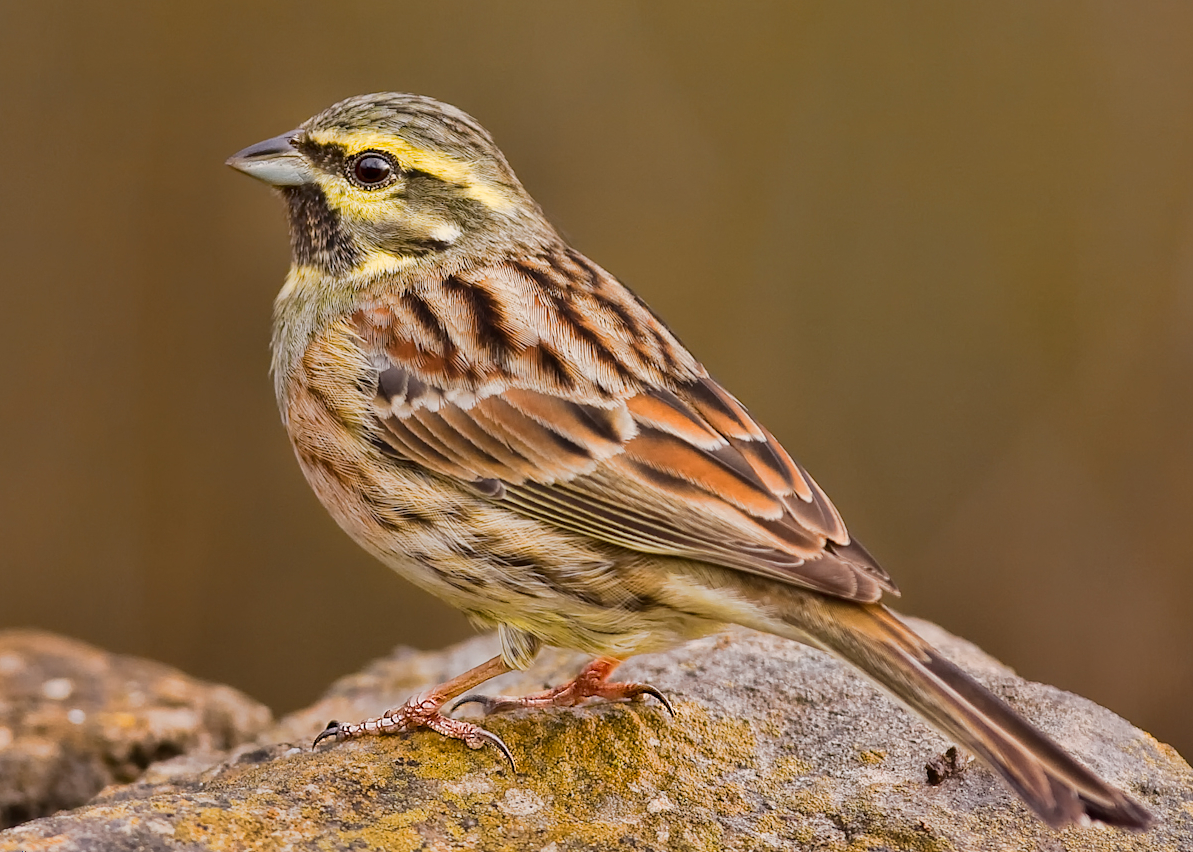
Emberiza, commonly known as buntings, are a group of small, colorful passerine birds found mainly in Europe, Asia, and Africa.
Select reading age
Emberiza Facts For Kids
Videos & Quizzesincluded
About this topic
Buntings are colorful little birds that belong to the genus Emberiza. 🐦They mostly live in the Old World, which includes parts of Europe, Asia, and Africa. These birds love to be in fields and open areas where they can find food. Buntings are known for their sweet songs and lively behavior! There are about 40 different species of buntings, each with its own special colors and patterns. They are part of a big family called Emberizidae and can often be seen hopping around in bushes or on the ground. Can you spot a bunting next time you’re outside? 🌼🕊️
Explore with ChatDinoKey Points
Buntings are a type of bird in the Emberiza genus, which is the only genus in the Emberizidae family.
Buntings are closely related to sparrows and finches!
Did you know that different species of buntings have unique songs?
Many buntings are migratory, which means they travel to different places depending on the season.
Most buntings are not endangered, but some species are at risk due to habitat destruction and climate change.
Buntings have inspired songs, poems, and stories through the ages!
You can find buntings in different types of habitats like fields, meadows, and grasslands.
Buntings are small birds, usually about 5 to 7 inches long!
When it’s time to have babies, buntings build nests in hedges or low bushes, using twigs, grass, and feathers to create a cozy home.
Buntings are mainly seed-eaters, munching on grains, seeds, and sometimes even insects!
Photos of Emberiza


Emberiza — photo 2

Emberiza — photo 3

Emberiza — photo 4

Emberiza — photo 5

Emberiza — photo 6

Emberiza — photo 7

Emberiza — photo 8

👩🔬 Classification
Buntings are a type of bird in the Emberiza genus, which is the only genus in the Emberizidae family. 👩🔬 There are several types of buntings, and some main species include the Yellow Bunting, Reed Bunting, and Rustic Bunting. Species are the different kinds of living things. For example, the Lynx is a specific type of wild cat, just like the Yellow Bunting is a specific type of bunting! They are closely related to sparrows and finches. Buntings are songbirds, which means they have beautiful voices. 🐥🎵
Go deeper🐦 Related Species
Buntings are closely related to sparrows and finches! 🐦🪱 The Emberizidae family includes many similar birds. For example, the House Sparrow lives in urban areas and eats seeds like buntings do, but it lacks the colorful feathers. Another relative is the Towhee, a striking bird known for its bright markings. 🌈This family includes various species, each with its own special traits and behaviors. Exploring the world of birds can reveal many amazing connections between them! 🤝🎆
Go deeper🎶 Interesting Facts
Did you know that different species of buntings have unique songs? 🎶For example, the Corn Bunting has a cheerful tune that sounds like a jingling bell! They are also excellent at mimicking other birds. Buntings are sometimes seen in groups, especially during migration. 🌊Some people believe that seeing a bunting brings good luck! In many cultures, these beautiful birds are admired for their singing, making them a symbol of happiness and joy. 🌟Singing with nature can be like a magical concert in the wild!
Go deeper🦋 Migration Patterns
Many buntings are migratory, which means they travel to different places depending on the season. 🦋For example, the Reed Bunting can be found in Europe during the summer and migrate to warmer regions in Africa during the winter. Some buntings travel thousands of miles to find perfect weather and food! ✈️ They can sense changes in daylight and temperatures, which help them know when to start their journey. It's fascinating how these tiny birds find their way on long trips, much like mini explorers! 🌏🌞
Go deeper🌍 Conservation Status
Most buntings are not endangered, but some species are at risk due to habitat destruction and climate change. 🌍Organizations work hard to protect their environments and ensure they have safe places to live and breed. The Rustic Bunting in particular is facing challenges because its habitats are being changed. 🏞️ It's important for us to take care of nature so that buntings and other birds can thrive. Every small action counts, like planting trees or recycling! 🌳💚
Go deeper🎤 Cultural Significance
Buntings have inspired songs, poems, and stories through the ages! 🎤In many cultures, their cheerful songs symbolize joy and happiness. For example, in literature, poets often describe their lovely melodies to express feelings of peace. 🎨Some people even keep songbirds like buntings in their homes because of their joyful sounds! In some countries, these birds represent the beauty of nature and are celebrated in festivals. 🌼Can you imagine writing your own story or song about a bunting? It would be a fun way to share their magic! ✍️🌟
Go deeper🌳 Habitat And Distribution
You can find buntings in different types of habitats like fields, meadows, and grasslands. 🌳They enjoy open areas where they can find food and sing their songs. Buntings live in many countries across Europe, Asia, and some parts of Africa. For example, the Yellow Bunting is spotted in places like the UK and parts of Eastern Europe! 🌍Most birds migrate for better food or weather, but some buntings stay in the same areas year-round. Look for them in your local parks or gardens during your adventures! 🎢🐤
Go deeper🐦 Physical Characteristics
Buntings are small birds, usually about 5 to 7 inches long! 🐦They have distinct colors and patterns that can be very eye-catching. For instance, the Yellowhammer has bright yellow feathers with a lovely brown streak on its back! Their beaks are short and strong, perfect for cracking seeds. Some buntings, like the Lapland Bunting, change color with the seasons, becoming more colorful during mating season and more muted during winter. ❄️🦜 Wouldn't it be cool if our clothes changed color with the seasons too?
Go deeper🏡 Reproduction And Nesting
When it’s time to have babies, buntings build nests in hedges or low bushes, using twigs, grass, and feathers to create a cozy home. 🏡The female bunting usually lays between 3 to 6 eggs, and they are often light-colored with spots. After about 10 to 15 days, the eggs hatch, and cute little chicks are born! 🐣The parent birds take care of the chicks, feeding them insects and seeds until they are strong enough to fly. After a few weeks, the young buntings leave the nest to start their own adventures! 🌈
Go deeper🌾 Diet And Feeding Behavior
Buntings are mainly seed-eaters, munching on grains, seeds, and sometimes even insects! 🌾They love to hop around looking for tasty treats in fields and gardens. Some species may also eat fruit when it’s available. Buntings use their sharp eyes to find food on the ground and in low bushes. When they eat, they often scratch at the ground with their feet to uncover hidden seeds. 🌱It’s kind of like a treasure hunt! Can you imagine searching for yummy snacks outside just like them? 🍏🍉
Go deeper