Economics is a social science that studies how we produce, distribute, and consume goods and services.


Set reading age
View for Kids
Easy to read and understand
View for Students
Clear, detailed explanations
View for Scholars
Deep dives and big ideas
Economics is the study of how people make choices about using their money, time, and resources! 💰It helps us understand how goods (like toys) and services (like haircuts) are created, bought, and sold. Instead of being just about money, economics shows us how everyone plays a part in the world’s economy! 🌍It explains why some things cost more than others and how people's wants and needs shape businesses. Learning economics helps kids like you understand the value of things, making smart choices, and how to work together in a community!
Market structures describe how businesses compete with each other! 🏪The most common types are:
1. Perfect Competition: Many businesses sell similar products, like farmers selling eggs. 🥚
2. Monopoly: One company controls the entire market, like a unique candy store. 🍬
3. Oligopoly: A few companies dominate, like popular phone brands. 📱
4. Monopolistic Competition: Many businesses offer similar but slightly different products, like pizza places. 🍕Knowing these structures helps us understand prices and choices in the marketplace!
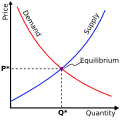
Supply and demand are super important in economics! 🌟Supply is how much of a product (like video games 🎮) is available for sale, while demand is how many people want to buy it. When demand goes up but supply stays the same, prices rise! ✈️ Think of a concert: if only 100 tickets are available but 500 people want to go, the price will increase! Conversely, if there’s lots of pizza 🍕 but not many people want it, prices fall. Understanding this relationship helps businesses decide how much to make and sell!
Did you know there are different types of economies in the world? 🌏One type is a "Market Economy," where people freely buy and sell goods, like in the USA! Another is a "Command Economy," where the government makes most decisions, like in North Korea. 🌟A "Mixed Economy" combines the two, like in Canada, where the government regulates but people can also trade freely. 💼Lastly, a traditional economy relies on customs, like in some Indigenous cultures. Each type has its own strengths and challenges, helping to shape how countries operate!
Economic indicators are like teachers for economists—they show how well an economy is doing! 📊Some key indicators include:
1. Gross Domestic Product (GDP): Measures the total value of goods and services produced in a country.
2. Unemployment Rate: Shows the percentage of people who can’t find jobs. 📉
3. Inflation Rate: Measures how much prices are rising over time. 🌡️
These indicators help governments and businesses make important decisions to improve people's lives and boost the economy!
International trade is when countries buy and sell goods and services with each other! 🌍For example, the United States might import tropical fruits like bananas from South America 🍌, while exporting technology like computers! 💻This trade allows countries to get what they need that they can't produce themselves. In 2021, global trade was worth around $28 trillion! 🌟Trade also connects economies and promotes friendship between nations, but it can come with challenges like tariffs (taxes on imports) and trade agreements!
The history of economics goes back thousands of years! 📜Ancient civilizations like the Egyptians and Greeks used trade to exchange goods. In the 18th century, a famous economist named Adam Smith wrote a book called "The Wealth of Nations," explaining how economies work. 🌟His ideas helped create modern economic theories! After this, the Industrial Revolution in the 1800s changed the economy by introducing factories, making goods faster and cheaper! ⏩Today, economists build on these early ideas, studying how we buy, sell, and use resources in our ever-changing world!
In economics, theories help explain how things work! 🌟One key theory is called "Supply and Demand." It shows that when people want more of something, like ice cream in summer, prices might go up! 🍦Another important idea is "Comparative Advantage," which says that countries should focus on making what they’re best at and trade with others for what they need. 🌍The "Keynesian Theory" suggests that government spending can help economies grow! These theories guide decisions that affect everyone, from families to whole countries!
Fiscal and monetary policy are tools governments use to control their economies! 💼Fiscal policy involves government spending and taxation. For example, if a government builds parks or schools, it’s a way to create jobs and improve society! 🏞️ On the other hand, monetary policy involves controlling the money supply and interest rates, usually managed by a country's central bank. 🏦Lowering interest rates might encourage people to borrow money and spend more, helping businesses grow! Both policies help governments keep their economies healthy!
Right now, many countries face economic challenges! 🌏The pandemic impacted jobs and businesses worldwide, creating new ways to work, like remote jobs. 💻Inflation is making things like groceries more expensive, leading families to budget carefully. 📈Additionally, supply chain disruptions affect how quickly products reach stores. 🌊Climate change also poses a challenge, pressuring countries to find sustainable ways to grow their economies. 🌿These issues require teamwork and smart solutions from countries around the world to ensure everyone can thrive!
Governments have a big role in keeping economies stable and fair! 🌟They create rules for businesses, protect workers, and provide public services like schools and roads. 🏫Governments also manage taxes, which help fund essential services. Additionally, they can help during tough times by saving jobs and providing support to families! 💪By monitoring trade and creating policies, governments work to ensure everyone benefits from the economy. This teamwork helps create a stronger, happier society where people can live well!


DIY is a creative community where kids draw, build, explore ideas, and share.
No credit card required