Economic Value Facts For Kids
Economic value is a measure of the benefit provided by a good or service, helping people and businesses make decisions based on costs and benefits.
Select reading age
Economic Value Facts For Kids
Videos & Quizzesincluded
About this topic
Economic value is like a treasure map for understanding how much something is worth! 🌟It tells us how much happiness or usefulness we can get from a good or service we buy. For example, if you buy a toy for $10 and it brings you joy for two years, its value is high! 🎈Economic value helps businesses decide prices and people choose what to buy. It’s important in our daily lives and helps our economy run smoothly like a well-oiled machine! 🛠️ Let's dive deeper into what economic value means and how it works!
Explore with ChatDinoKey Points
Consumer surplus is a fun way to measure how much more happiness we get from something than what we paid for it!
Marginal utility is the extra happiness or satisfaction we get from using one more unit of a good or service.
Producer surplus is the profit that businesses earn when they sell goods for more than it costs to make them!
There are different types of economic value!
We can measure economic value by looking at how much people are willing to pay for something.
Economic value means how much something is worth in terms of the happiness or benefit it provides.
Let’s look at some fun examples!
Public goods are things that everyone can use without running out, like parks or streetlights!
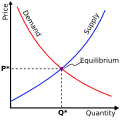
Market equilibrium occurs when supply and demand meet, and that’s when economic value is just right!
Economic value affects how both people and businesses make decisions!
Photos of Economic Value

🎉 Consumer Surplus
Consumer surplus is a fun way to measure how much more happiness we get from something than what we paid for it! 🎉If you buy a toy for $10 but you would have happily paid $15 for it, your consumer surplus is $5! It’s like finding extra money in your pocket! 😄This shows that the toy gives you more enjoyment than you spent, making you feel like a winner! Consumer surplus helps businesses understand how to make products that bring joy while keeping prices fair.
Go deeper🍕 Marginal Utility
Marginal utility is the extra happiness or satisfaction we get from using one more unit of a good or service. For example, if you eat one slice of pizza 🍕, you might feel happy. But if you eat a second slice, you may feel even happier! However, if you eat a third slice, it might not make you as happy since you're already full. 😋That's called diminishing marginal utility! It helps us understand how we make choices about spending our money on things that make us happy!
Go deeper💡 Producer Surplus
Producer surplus is the profit that businesses earn when they sell goods for more than it costs to make them! 💡For example, if a company spends $5 to make a toy and sells it for $10, the producer surplus is $5! This extra money is important because it helps businesses grow, pay their workers, and create new products! 🎈Just like consumers want to find good deals, producers want to make sure they earn enough to stay in business while making happy customers!
Go deeper🚲 Types Of Economic Value
There are different types of economic value! One of them is utility, which is how much satisfaction we get from a product. For instance, a bicycle 🚲 helps us exercise and have fun! Another type is monetary value, which is simply how much money something costs. A pizza 🍕 might cost $10, but if it fills our tummy and makes us happy, its utility is high! Lastly, there’s perceived value, where the worth of something is influenced by how people view it, like brands of clothes. 👕
Go deeper💵 Measuring Economic Value
We can measure economic value by looking at how much people are willing to pay for something. 💵This is done through a process called market research, where companies find out what people want! For example, if a new video game 🎮 is selling really well, it shows that its economic value is high because people love it! By analyzing things like sales, reviews, and how long people use a product, we can get a sense of its value. 🎉This helps businesses make better products based on what people like!
Go deeper💰 Definition Of Economic Value
Economic value means how much something is worth in terms of the happiness or benefit it provides. 💰If you have a delicious ice cream cone 🍦 that costs $3, the economic value comes from how much joy you get from eating it! Sometimes, it’s hard to measure exactly how much happiness a toy or treat brings, but we can think about how much we are willing to pay for it. When something has high economic value, it means many people find it worth the cost! 🤩
Go deeper💡 Case Studies In Economic Value
Let’s look at some fun examples! 💡In 1965, the price of a new car was about $2,500, and it provided transportation, comfort, and excitement! 🚗In contrast, smart gadgets today cost more yet offer countless apps, games, and connections to friends! 📱These changes show how economic value shifts over time. Another example is when a popular movie 🎬 makes millions at the box office because people find great value in watching it with friends! These cases help us understand the changing nature of economic value in real life! 🌟
Go deeper🌳 Economic Value And Public Goods
Public goods are things that everyone can use without running out, like parks or streetlights! 🌳Even though lots of people enjoy them, they don't always have a price like cupcakes. 🎂The economic value of public goods is measured by the benefit they bring to everyone. For instance, a park gives families a place to play and relax! However, funding these goods often comes from taxes—money collected from people to help everyone in the community! So, public goods are a great example of economic value benefiting all! 🌍
Go deeper🏛️ Market Equilibrium And Economic Value
Market equilibrium occurs when supply and demand meet, and that’s when economic value is just right! 🏛️ Supply is how much of something is available, while demand is how much people want it. For example, if lots of people want ice cream 🍦 but there’s only a little available, the price may go up! When supply and demand balance, the price is stable, which makes customers happy and helps producers know how many products to make. This perfect balance is key to understanding economic value! ⚖️
Go deeper🤔 Impact Of Economic Value On Decision Making
Economic value affects how both people and businesses make decisions! 🤔When we buy things, we think about their worth compared to the price. If a toy is too expensive, you might decide to save your money for something else! 💎For businesses, understanding economic value leads to better products and pricing. If a company knows its game is super fun, they might charge more because people will pay it! 🎮Overall, we all think about value in our choices, helping us get the most bang for our buck!
Go deeper