Duodenum Facts For Kids
The duodenum is the first section of the small intestine, located just after the stomach, responsible for mixing food with bile and digestive enzymes to aid in digestion and nutrient absorption.
Select reading age

Duodenum Facts For Kids
Videos & Quizzesincluded
About this topic
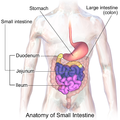
The duodenum is a special part of the small intestine! 🌟It's the first section where food goes after it leaves the stomach. The word "duodenum" comes from Latin, meaning "twelve," because it is about twelve fingers long! 🤏🏻 This tube-shaped area is mainly responsible for mixing food with juices from the pancreas and bile from the liver, turning it into a mushy mix called chyme. Kids, did you know the duodenum is located right below your stomach in your belly? 🥳It plays a very important role in helping your body absorb nutrients from food!
Explore with ChatDinoKey Points
Eating a balanced diet is great for the duodenum!
Digestion is a process that starts in our mouth but becomes super fun in the duodenum!
The duodenum is about 10 to 12 inches long and shaped like a "C"!
The duodenum has some pretty important jobs!
Sometimes the duodenum can have problems!
Here are some fun facts about the duodenum!
Doctors use special tests to check the duodenum!
The duodenum has a fascinating history!
Did you know that different animals have duodenums too?
Photos of Duodenum


Duodenum — photo 2

Section of duodenum of cat. (After Schäfer.) X 60.

400x light microscope image of duodenum showing brush-border, shot with 6MP Sony Cybershot
🍽️ Diet And The Duodenum
Eating a balanced diet is great for the duodenum! 🍽️ Foods like fruits, vegetables, whole grains, and proteins help keep our digestion smooth. Eating enough fiber is super important because it helps food move through the digestive system easily! 🍎🥦 Avoiding too much sugary or fatty food can help keep your duodenum happy and healthy. Drinking plenty of water also supports good digestion. 💧Just like our favorite plants need sunshine and water, our bodies, including the duodenum, need the right foods to function well!
Go deeper🎉 Duodenum And Digestion
Digestion is a process that starts in our mouth but becomes super fun in the duodenum! 🎉When food leaves the stomach, it’s really acidic. But the duodenum mixes it with bile from the liver and enzymes from the pancreas. This mixture starts breaking down fats, proteins, and carbohydrates. 🍔🥩 The duodenum also absorbs vitamins and minerals like iron, calcium, and B vitamins! The foods we eat—like fruits and vegetables—give us energy and help our bodies grow strong! 🥕🥦 Without the duodenum, getting these nutrients would be really difficult!
Go deeper🌀 Anatomy Of The Duodenum
The duodenum is about 10 to 12 inches long and shaped like a "C"! 🌀It has four parts: the superior part, descending part, horizontal part, and ascending part. 🤔Each part helps the food travel along its journey. The walls of the duodenum are made of special cells called epithelial cells that help in absorption. It also has tiny finger-like structures called villi that grab nutrients! 🥗The duodenum receives juice from the pancreas, which contains enzymes, and bile from the liver, which helps digest fats. Isn’t it fascinating how our bodies work? 💪
Go deeper💼 Functions Of The Duodenum
The duodenum has some pretty important jobs! 💼First, it breaks down food with the help of digestive juices. This ensures the food is turned into a thick, soupy mix called chyme. 🥣Secondly, it moves the chyme into the next part of the small intestine called the jejunum, where even more nutrients are absorbed. The duodenum also helps neutralize stomach acid to protect itself from damage! ⚗️ Lastly, it signals the pancreas and gallbladder to release enzymes and bile, making digestion smoother. All these functions help us get the energy and nutrients we need to play and learn! 🧒🏽
Go deeper⛑️ Duodenum Disorders And Diseases
Sometimes the duodenum can have problems! ⛑️ One common issue is a duodenal ulcer, which is a sore that forms on the duodenum's lining. This can cause pain and discomfort. Another issue is celiac disease, where eating gluten can harm the duodenum, making it hard for some kids to digest wheat-based foods. 🌾If you have a tummy ache that doesn’t go away, it might be time to see a doctor! They can help make sure your duodenum is healthy. Keeping our bodies, including our duodenum, happy is super important! 🩺
Go deeper🤓 Interesting Facts About The Duodenum
Here are some fun facts about the duodenum! 🤓Did you know it only takes about 3-5 hours for food to travel through the duodenum? ⏳It also communicates with the brain, signaling if it needs more food or if it's full! 🧠The duodenum is often called the "gateway" for digested food to the rest of the small intestine. Plus, it plays a big role in absorbing nutrients and ensuring we get our vitamins! Think of the duodenum as a superhero in our digestive system! 🦸♀️
Go deeper🚑 Diagnostic Procedures For Duodenum Issues
Doctors use special tests to check the duodenum! 🚑One such test is called an upper endoscopy. In this test, a doctor uses a long, flexible tube with a camera (endoscope) to look inside your duodenum! 📸They can see if there are any problems like ulcers. They might also take a tiny sample (biopsy) to check for diseases like celiac. Other tests may include X-rays with a barium drink to see how well the duodenum is working. Remember, these tests aren’t scary and help keep you healthy! 🌈
Go deeper⚗️ Historical Discoveries Related To The Duodenum
The duodenum has a fascinating history! ⚗️ It was first described by doctors in the ancient times around 2000 years ago. A famous doctor named Galen studied the human body and wrote about the duodenum in his works! 📜Scientists have learned so much about it since then. In the 19th century, new tools like microscopes allowed them to see the tiny cells in the duodenum. Today, we continue to study it to learn how to keep it healthy. It shows us how curiosity and science help improve our health over time! 🧪
Go deeper🐾 Comparative Anatomy Of The Duodenum In Different Animals
Did you know that different animals have duodenums too? 🐾In humans, the duodenum is about 10-12 inches long, but in cows, it's longer because they need to digest grass properly! 🐄In reptiles like turtles, the duodenum is shorter because they have a different diet. Birds have a special pouch called a gizzard that helps them digest food before it reaches the duodenum! 🐥All animals have a duodenum, but its shape and size can change depending on what they eat. Isn’t it amazing how life adapts? 🌎
Go deeper