Droseraceae Facts For Kids
Droseraceae, commonly known as the sundew family, is a group of carnivorous flowering plants that uniquely catch and digest insects to supplement their nutrient-poor diets.
Select reading age

Droseraceae Facts For Kids
Videos & Quizzesincluded
About this topic
Droseraceae, also known as the sundew family, is a group of amazing plants that love to eat insects! 🐜🌿 These fascinating plants can be found all over the world, but many grow in wet areas like bogs and swamps. The sundews are covered in tiny, sticky hairs that trap insects, allowing the plants to get the nutrients they need. Did you know that there are about 200 species of Droseraceae? These plants are not just cool; they are also important for their ecosystems and show how life can adapt in unique ways!
Explore with ChatDinoKey Points
Droseraceae plants play an important role in their ecosystems!
Some exciting species in the Droseraceae family are the sundew, Venus flytrap, and waterwheel plant!
Many Droseraceae species face threats from habitat loss and climate change.
Many people love growing Droseraceae plants at home!
The wonderful plants in the Droseraceae family have unique features that help them survive!
Droseraceae plants are famous for their carnivorous diets!
The Droseraceae family falls under the order Caryophyllales.
Droseraceae plants love moist places!
Droseraceae plants have interesting ways to grow!
Photos of Droseraceae

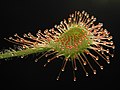
Droseraceae — photo 1
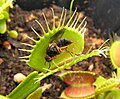
Droseraceae — photo 2

Droseraceae — photo 3

AldrovandaVesiculosa4
🐦 Ecological Role
Droseraceae plants play an important role in their ecosystems! 🐦They help control insect populations by eating bugs, which creates balance. Their presence also provides food for animals that rely on them. Birds, for instance, may visit the flowers for nectar. 🌳Furthermore, these plants can improve soil health by decomposing the insects they digest, returning nutrients to the ground. By thriving in nutrient-poor habitats, they also contribute to the diversity of plant life there, making ecosystems healthier and more vibrant!
Go deeper🌼 Notable Species
Some exciting species in the Droseraceae family are the sundew, Venus flytrap, and waterwheel plant! 🌼The sundew (Drosera) has over 200 species, each with unique leaf shapes and colors. The Venus flytrap (Dionaea muscipula) is famous for its snapping jaws and is only found in North Carolina and South Carolina. 🪤Lastly, the waterwheel plant (Aldrovanda vesiculosa) looks like a tiny wheel and catches food underwater. Each species shows how diverse and amazing Droseraceae can be — making them a favorite among plant lovers! 🐝
Go deeper🌍 Conservation Status
Many Droseraceae species face threats from habitat loss and climate change. 🌍Some species are listed as endangered due to wetland destruction and pollution. Conservation efforts help protect these unique plants and their habitats. 🌱Organizations work to preserve and restore wetlands, ensuring that Droseraceae can continue to thrive. By raising awareness about these plants, we can help protect them for future generations! 🌹It’s important to care for nature so that these incredible plants remain a part of our world.
Go deeper🌿 Cultivation And Use
Many people love growing Droseraceae plants at home! 🌿They can be fun and educational for kids. To care for them, you need to provide them with lots of sunlight and a special soil mix that helps them survive. Some gardeners even grow Venus flytraps and sundews in pots to catch bugs naturally. 🌸These plants can also be used in research, helping scientists learn about unique adaptations in the plant world. Be sure to check with adults before planting, as some plants may need special care!
Go deeper🌱 Morphological Features
The wonderful plants in the Droseraceae family have unique features that help them survive! 🌱Most sundews have small, round leaves covered in sticky glands that trap bugs. These leaves can be green, red, or even purple! The Venus flytrap has jaw-like leaves that snap shut when an insect touches its sensitive hairs! 😲Meanwhile, the waterwheel plant looks like a tiny waterwheel and catches food underwater! All of these adaptations help these plants thrive in places where the soil doesn’t give them enough nutrients.
Go deeper🐛 Carnivorous Adaptations
Droseraceae plants are famous for their carnivorous diets! 🐛They adapt to their nutrient-poor habitats by trapping insects to survive. Sundews catch bugs with their sticky tentacles, while Venus flytraps snap shut when insects touch them. 🪤Aldrovanda uses specialized leaves that can grab prey in water! After catching their food, these plants secrete digestive enzymes to break down the insects and absorb the nutrients, just like a stomach! This unique way of eating helps them thrive where other plants might struggle.
Go deeper🌼 Taxonomy Of Droseraceae
The Droseraceae family falls under the order Caryophyllales. 🌼It includes three main genera: Drosera (sundews), Dionaea (Venus flytrap), and Aldrovanda (waterwheel plant). The sundews are the largest group, with many species featuring round or elongated leaf shapes! In the scientific naming, the family is labeled as "Droseraceae" while individual species have specific names, like Drosera rotundifolia. 🌍This family is known for being part of the plant kingdom called Plantae, which tells us that they are related to all flowering plants!
Go deeper🍂 Habitat And Distribution
Droseraceae plants love moist places! 🍂They can be found in wetlands, bogs, and marshes around the world. For example, the sundews are commonly found in North America, Europe, and Australia. The Venus flytrap is native to a small area in North and South Carolina. 🌲Meanwhile, Aldrovanda grows in ponds and lakes, mostly in warmer climates! These plants can thrive in nutrient-poor soils thanks to their ability to catch insects for food. Isn’t that amazing? 🦟
Go deeper🌻 Reproduction And Life Cycle
Droseraceae plants have interesting ways to grow! 🌻Most of them reproduce through seeds produced after flowering. Sundews typically have colorful flowers that attract pollinators like bees. 🌼Some plants also can reproduce asexually by growing new plants from leaves or roots. The life cycle begins with a seed that germinates into a young plant. Over time, it grows into a mature plant that can catch insects, flower, and produce seeds. This cycle continues, helping their populations thrive in their habitats!
Go deeper