Dinka Facts For Kids
Dinka is a Nilotic language spoken primarily by the Dinka people in South Sudan, characterized by its tonal system and numerous dialects.
Select reading age
Dinka Facts For Kids
Videos & Quizzesincluded
About this topic
The Dinka language is an important language spoken in South Sudan 🇸🇩. Around 2 million people speak it, making it one of the largest languages in the country! The Dinka people are known for their unique traditions and strong connection to cattle, which are very important to their culture. The language has many different dialects, depending on where the people live, but they all share a common root. Dinka is part of the Nilotic language family, which means it is related to other languages spoken in East Africa. 🌍
Explore with ChatDinoKey Points
Dinka is a beautiful, complex language with tones, which means the same word can have different meanings based on how you say it.
The Dinka language has deep roots that go back many centuries!
Dinka culture is rich and vibrant.
The Dinka people rely heavily on agriculture and livestock for their livelihood.
Communication in Dinka goes beyond just speaking!
The Dinka people have made significant contributions to South Sudan's identity and culture.
The Dinka language and culture face challenges due to conflicts in South Sudan.
The Dinka people practice a mix of traditional beliefs and Christianity.
Dinka society is mainly organized around families and clans.
Photos of Dinka

Dinka headrest at the National Museum of Anthropology, Madrid

Approximate extension of Alodia based on accounts of Ibn Hawqal
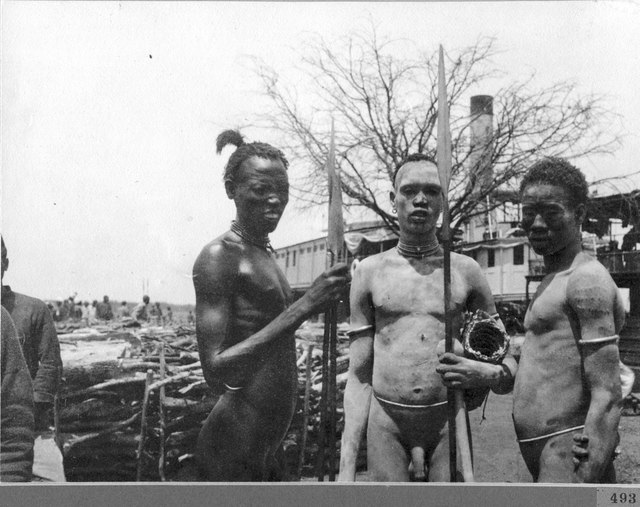
Dinka men with spears, necklaces and bracelets

An example of rainy season temporary settlements—note the stilts upon which the huts are built to protect against periodic flooding of the region

Cattle of the Dinka people, Juba, South Sudan

A cattle camp in Rumbek

Dinka beaded collar, Sudan Ethnographic Museum, 2022
😮 Dinka Overview
Dinka is a beautiful, complex language with tones, which means the same word can have different meanings based on how you say it. For instance, the word "ma" can mean "mother" if spoken in a high tone, but it can mean "knee" if spoken in a lower tone! 😮The Dinka people live mostly in the Bahr el Ghazal and Lakes regions of South Sudan. Their society is closely tied to their agriculture and herding lifestyle. The language is vital for passing down stories, songs, and traditions from one generation to another. 📜
Go deeper🌊 History And Origins
The Dinka language has deep roots that go back many centuries! The Dinka people are one of the native groups in South Sudan and their language has evolved over time. Linguists believe that the Nilotic languages originated in the Nile Valley around 4000 years ago. The Dinka language carried with it the history, culture, and the lifestyle of the Dinka people. Many important historical events in South Sudan have influenced the development of the Dinka language. 🌊📆
Go deeper🎉 Culture And Traditions
Dinka culture is rich and vibrant. Many traditional songs and dances are performed to celebrate important events like weddings and harvests 🎉. Cattle are considered a symbol of wealth and status in Dinka society. Families often hold cattle herding festivals where they come together to showcase their best animals and discuss community matters. Stories are also passed down through generations, sharing morals and lessons that highlight the importance of family and respect for nature. 🌳🐄
Go deeper🌾 Economy And Livelihoods
The Dinka people rely heavily on agriculture and livestock for their livelihood. They mostly farm crops like sorghum, maize, and millet 🌾. Cattle are incredibly important, as they provide milk, meat, and even serve as a form of currency in trade. Fishing is also a key activity, especially along the Nile River. The Dinka people are known for their strong skills in herding and farming, making them important contributors to the economy of South Sudan. 🚜🐟
Go deeper🌈 Language And Communication
Communication in Dinka goes beyond just speaking! People also use body language and gestures to express feelings. The Dinka language has special ways to greet each other, important for building friendships. For example, when meeting someone, it is common to ask about their family. Additionally, oral storytelling is a big part of how Dinka people keep their history alive. This allows them to bond and share lessons with younger generations. 🌈💬
Go deeper🍽️ Contributions To South Sudan
The Dinka people have made significant contributions to South Sudan's identity and culture. Their agricultural skills have helped the country thrive 🍽️. The Dinka language also adds richness to the many languages spoken in South Sudan. Its unique tales, songs, and traditions promote unity among different groups. They play an essential role in the country’s history and hope for peace and progress for everyone. Together, they work toward a harmonized South Sudan. 🇸🇩✨
Go deeper📉 Current Issues And Challenges
The Dinka language and culture face challenges due to conflicts in South Sudan. Fighting can make it hard for people to speak their language freely and share their culture. 📉There are also struggles for resources like land and water, which are important for farming. Despite these challenges, many Dinka people are dedicated to preserving their beautiful language and traditions 📖. They use social media and schools to teach the younger generation about their culture and the Dinka language. 📱💪
Go deeper☀️ Religion And Spiritual Beliefs
The Dinka people practice a mix of traditional beliefs and Christianity. They believe in one supreme God called Nhialic ☀️, who created everything. Ancestors play an important role in their spirituality; people often pray to them for guidance and protection. Rituals and ceremonies are held to honor both their ancestors and God. They believe in spirits that live in nature, so they often respect animals and trees. 🌳🙏
Go deeper👵 Social Structure And Family Life
Dinka society is mainly organized around families and clans. Each family takes care of its own and supports one another. They often live in large huts made of mud and straw, which are grouped together. Families are very close, and everyone helps with daily chores like farming and herd management. Elders hold important roles in decision-making and are respected for their wisdom. 👵👴Community gatherings are common, bringing people together to celebrate and support one another. 🤝
Go deeper