Dhol Facts For Kids
The dhol is a traditional South Asian percussion instrument known for its lively, rhythmic beats, commonly used in folk music and celebrations.
Select reading age

Dhol Facts For Kids
Videos & Quizzesincluded
About this topic
The dhol is a double-headed drum 🎶 commonly used in folk music from the Indian subcontinent, especially in Punjab, India, and Pakistan. It has a shape like a barrel and is usually made from wood or metal. The dhol is played by hitting the drumheads with sticks called dhol sticks or mallets. This instrument produces a loud and lively beat that encourages dancing and celebration! 🥳The dhol can have many sizes and designs, and it is often decorated with bright colors and patterns, making it not only a musical instrument but also a beautiful piece of art. 🎨
Explore with ChatDinoKey Points
The dhol dates back thousands of years!
Playing the dhol is super fun and requires special techniques!
The dhol comes in many styles from different regions!
The dhol has found its way into modern music too!
The dhol is not just an instrument; it holds deep cultural significance!
Dhols are crafted using different materials!
The dhol’s influence extends beyond its homeland!
Festivals in India and Pakistan often feature the dhol 🥳!
Photos of Dhol

An audio speaker emitting sound waves, in the Gnome style

A dhol player in Pune, India

Gandhara musicians playing dhol

A man depicted playing dhol
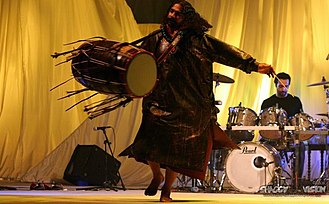
Sufi dhol player Pappu Saeen, from Pakistan

Men playing Assamese dhol during Bihu, Assam, India

Dhol of Adivasi people of Gujarat, India
🕰️ History Of Dhol
The dhol dates back thousands of years! 🕰️ It is believed that the dhol originated in India, with early versions found in ancient temples. One of the oldest mentions of the dhol is from around the 3rd century BCE. 🎭It became popular in the Punjab region during the 15th century. The dhol has been used in celebrations, such as harvest festivals and weddings, bringing families and communities together to dance and celebrate! 💃🕺 Famous dhol players, like Baba Bulleh Shah, inspired people to play this instrument, making it part of the musical heritage in South Asia and beyond.
Go deeper🎵 Playing Techniques
Playing the dhol is super fun and requires special techniques! 🎵Dhol players use two sticks: one thicker stick for deep beats and one thinner stick for high notes. Players hit the drumheads in different patterns and rhythms to create exciting music! ✨To master the dhol, musicians practice their hand movements and timing. They often learn by listening to older musicians and joining hands-on workshops. 👐The dhol is mainly played standing up, using the strength of the arms and wrists to make every beat count! With practice, the beats become faster, and the music becomes even more lively!
Go deeper🌎 Regional Variations
The dhol comes in many styles from different regions! 🌎In Punjab, it’s the most famous, but in regions like Gujarat and Maharashtra, variations like the dholak and dagga are popular. The dholak is smaller and often used in folk songs and bhajans (devotional songs). 🎤In South India, they have a similar drum called the dholki. 🥁Each version has its unique sound and playing style! The variations showcase the rich diversity of music and culture in India. Even though they are different, all these drums create wonderful rhythms that bring people together!
Go deeper🎧 Dhol In Modern Music
The dhol has found its way into modern music too! 🎧Many contemporary artists incorporate dhol beats into pop, hip-hop, and even electronic music! Musicians like Jay Sean and Punjabi MC have made popular songs that feature the exciting sound of the dhol. 🌟The dhol's energetic rhythms make songs lively and encourage people to dance! It has also become a favorite instrument at parties and festivals around the world. 🎉Its upbeat vibe connects traditional roots with modern trends, making it a beloved choice for many musicians today!
Go deeper🌍 Cultural Significance
The dhol is not just an instrument; it holds deep cultural significance! 🌍It is often played during festivals like Baisakhi and Lohri, marking the end of winter and welcoming the harvest season. 🌾People dance to the vibrant sounds of the dhol during weddings, allowing everyone to celebrate love and joy. Additionally, the dhol symbolizes unity and happiness. 🎉The rhythm of the dhol connects people, encouraging everyone to join the fun and dance together! The lively beats get everyone in the mood for a celebration, no matter where they are from.
Go deeper🪵 Construction And Design
Dhols are crafted using different materials! 🪵The body is typically made from wood like mahogany or sometimes from metal, which affects the sound quality. It has two drumheads made of animal skin or synthetic materials. 🎼The larger side produces deeper sounds, while the smaller side gives higher notes. It is usually held with a strap while being played. The dhol is often decorated with colorful paint, embroidery, or stickers, reflecting the cultural heritage of the region. 🎨The craftsmanship involved in making each dhol makes them unique, creating special sounds that are loved by many!
Go deeper🌐 Influence On Global Music
The dhol’s influence extends beyond its homeland! 🌐The fun beats of the dhol have reached many parts of the world. In the United Kingdom, musicians use dhol in fusion soundtracks that mix traditional and modern music. 🎶It has even influenced genres like Bhangra, which has gone global, bringing its dance moves to countries like Canada and the USA. Dance troupes perform dhol-driven routines in cultural shows around the world. 🌍The dhol shows us that music can connect different cultures, bringing joy and energy wherever it goes! 🥁✨
Go deeper🥳 Festivals And Celebrations
Festivals in India and Pakistan often feature the dhol 🥳! During Baisakhi, people celebrate the harvest with vibrant music and dancing, where dhol players are a highlight. Diwali, the festival of lights, also sees colorful processions with dhol beats. 🪔At weddings, the dhol plays a central role, making the atmosphere joyous! In the Lohri festival, celebrated in January, people gather around bonfires, singing and dancing while the dhol adds excitement to the festivities. 🌽The sound of the dhol fills the air, creating a magical environment for everyone to enjoy together!
Go deeper