Denmark Strait Facts For Kids
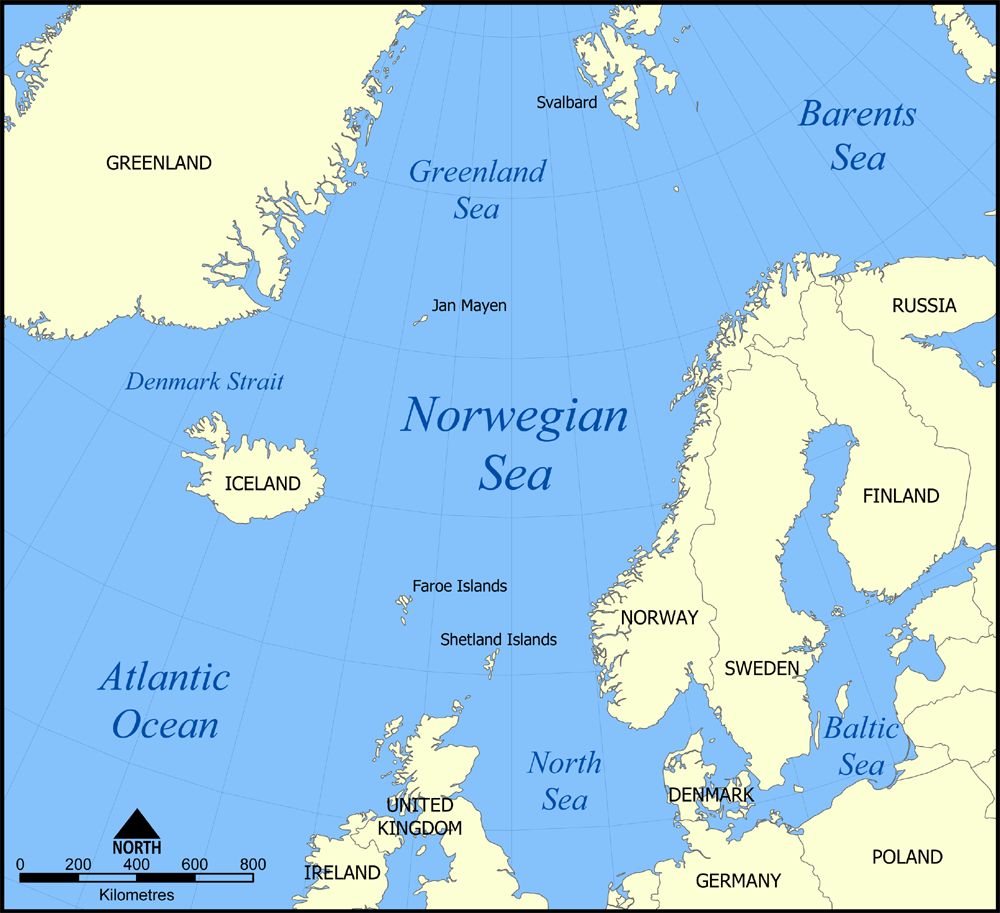
The Denmark Strait is the body of water that separates Greenland from Iceland and connects the Atlantic and Arctic Oceans.
Select reading age
Denmark Strait Facts For Kids
Videos & Quizzesincluded
About this topic
The Denmark Strait is a very special waterway that lies between Greenland and Iceland. 🌊It’s around 300 kilometers (about 186 miles) long! The strait is unique because it doesn’t just connect the Atlantic Ocean to the Arctic; it is also super important for marine life. The water here is chilly and full of nutrients, making it a perfect home for many fish and other sea creatures. The Denmark Strait also helps with ocean currents, playing a big role in how weather patterns develop. It is like a magical highway for water!
Explore with ChatDinoKey Points
Like many waterways, the Denmark Strait faces environmental concerns!
The Denmark Strait has played an important role in history!
The climate in the Denmark Strait can be quite chilly, with temperatures often below freezing, especially in winter.
The Denmark Strait is a busy route for shipping and navigation!
The Denmark Strait separates the northern part of Greenland from Iceland.
The Denmark Strait is home to amazing marine life!
The Denmark Strait is a hub for scientific research!
The Denmark Strait plays a big role in ocean currents!
The Denmark Strait is important to the cultures of both Greenland and Iceland.
Photos of Denmark Strait

Pack ice in the Denmark Strait
🌍 Environmental Concerns
Like many waterways, the Denmark Strait faces environmental concerns! 🌍Pollution from ships and fishing activities can harm marine life. Whale populations can be affected by noise from ships, making it harder for them to communicate and find food. Climate change is also impacting the strait, as the waters continue to warm. This affects the fish populations and other sea life that depend on colder waters. People are working hard to protect the environment here, ensuring that the unique ecosystem thrives for future generations to come. 🐢
Go deeper⚓ Historical Significance
The Denmark Strait has played an important role in history! ⚓In the past, it was crucial for explorers and traders. In 1479, the famous explorer John Cabot is believed to have sailed in waters around the strait! The strait was also crucial during World War II, as ships used it to travel between different parts of Europe and North America. Its strategic location made it an important passage for naval activities. Many stories and legends relate to sailors who traveled through these waters, facing fierce storms and monstrous sea creatures!
Go deeper❄️ Climate And Weather Patterns
The climate in the Denmark Strait can be quite chilly, with temperatures often below freezing, especially in winter. ❄️ This strait experiences strong winds and rough seas, making navigation tricky. The cold water from Greenland meets the warmer waters from the Atlantic Ocean, creating swirling currents. These currents influence weather patterns not just in the strait but also in other regions nearby! 🌬️ In summer, things can be a bit calmer, but the waters are still cold, generally ranging from 0°C to 5°C (32°F to 41°F). Dressing warmly is a must when exploring!
Go deeper🚢 Navigation And Shipping Routes
The Denmark Strait is a busy route for shipping and navigation! 🚢Ships carrying goods, like fish and minerals, often pass through this strait. It also serves as an important path for naval ships. However, navigating the strait can be challenging due to strong currents and unpredictable weather. Pilots who sail these waters must know their routes well! Some cargo ships need to wait for better weather before they can safely cross. The strait connects the Atlantic Ocean with the Arctic, making it a super important route for international trade and travel.
Go deeper🥶 Geography Of The Denmark Strait
The Denmark Strait separates the northern part of Greenland from Iceland. Greenland is huge and often covered in ice! 🥶On the other hand, Iceland has many volcanoes and hot springs. The strait is located between 64°N to 66°N latitude and 18°W to 28°W longitude. The waters can be very deep, reaching depths of over 3,000 meters (around 9,800 feet)! This makes it one of the deepest stretches of water in the North Atlantic. The stunning fjords and mountains on both sides add to the beauty of the area and attract many explorers!
Go deeper🐟 Marine Life In The Denmark Strait
The Denmark Strait is home to amazing marine life! 🐟Many fish, including cod, herring, and salmon, thrive in its nutrient-rich waters. You can also find seals and whales swimming around! 🐋This area is famous for orcas and humpback whales during their migration seasons. Because the water is cold, many sea creatures have special adaptations to survive here. For example, some fish have antifreeze proteins in their blood! The strait is crucial for the food chain, as it supports different species and attracts many birds and animals looking for a meal.
Go deeper🧑🔬 Scientific Research And Exploration
The Denmark Strait is a hub for scientific research! 🧑🔬 Researchers study the cold waters to learn more about climate change, marine biodiversity, and ocean currents. Many scientists come to explore the strait’s unique environment! Oceanographic studies help us understand how currents affect weather patterns and sea life. Scientists also monitor the health of fish populations and marine ecosystems. Understanding this body of water is important for protecting it! Through teamwork and exploration, scientists hope to share their knowledge to preserve the Denmark Strait for future generations to enjoy and learn from, too! 📘
Go deeper🌊 The Denmark Strait And Ocean Currents
The Denmark Strait plays a big role in ocean currents! 🌊When cold water from Greenland meets warmer water from the Atlantic Ocean, it creates a movement called the Denmark Strait Overflow Water. This process is important because it contributes to global ocean circulation. The currents help to regulate temperature around the world and influence weather patterns far away, even in places like Europe and North America! 🌎Scientists study these currents to understand climate change better and predict future environmental changes. The Denmark Strait is like a giant highway for ocean currents!
Go deeper🎉 Cultural Importance To Greenland And Iceland
The Denmark Strait is important to the cultures of both Greenland and Iceland. 🇬🇱🇮🇸 For centuries, the strait has been a source of food and navigation for the people living there. Folklore and legends tell stories of mythical creatures in the waters, shaping the local cultures. Fishing is a vital livelihood in both countries, and many traditional dishes are made from seafood caught in the strait. Festivals often celebrate the ocean and its bounty, showcasing the cultural connections that both countries share with this beautiful and important body of water! 🎉
Go deeper