Dead Language Facts For Kids
A dead language is a language with no living native speakers, but may still be used in specific contexts like liturgy or scholarly work.
Select reading age
Dead Language Facts For Kids
Videos & Quizzesincluded
About this topic
A dead language is a type of language that no one speaks as their first language anymore. 😢It means all the people who used to speak it have passed away, or they stopped using it. Some dead languages are really old! For example, Latin was once popular during the Roman Empire, which was over 2,000 years ago! 🌍Even though no one speaks Latin as a native language today, it still helps scientists, doctors, and lawyers because many words come from it. Learning about dead languages can teach us about ancient cultures and history! 🏛️
Explore with ChatDinoKey Points
Languages can become dead for several reasons!
What will happen to dead languages in the future?
There are many examples of dead languages from around the world!
Dead languages have also inspired many famous works of literature!
A dead language is like a treasure chest full of old words and stories!
Dead languages and extinct languages are similar but have some differences!
Dead languages can have a huge impact on cultures!
Some people work hard to bring dead languages back to life!
Studying dead languages is super important!
Dead languages have special rules and vocabulary that make them unique!
Photos of Dead Language
![Sisters Maxine Wildcat Barnett (1925–2021) (left) and Josephine Wildcat Bigler (1921–2016);[8] two of the last elderly speakers of Yuchi, visiting their grandmother's grave in a cemetery behind Pickett Chapel in Sapulpa, Oklahoma. According to the sisters, their grandmother had insisted that Yuchi be their native language.](https://upload.wikimedia.org/wikipedia/commons/b/b7/Yuchilanguagespeakers.jpg)
Sisters Maxine Wildcat Barnett (1925–2021) (left) and Josephine Wildcat Bigler (1921–2016);[8] two of the last elderly speakers of Yuchi, visiting their grandmother's grave in a cemetery behind Pickett Chapel in Sapulpa, Oklahoma. According to the sisters, their grandmother had insisted that Yuchi be their native language.

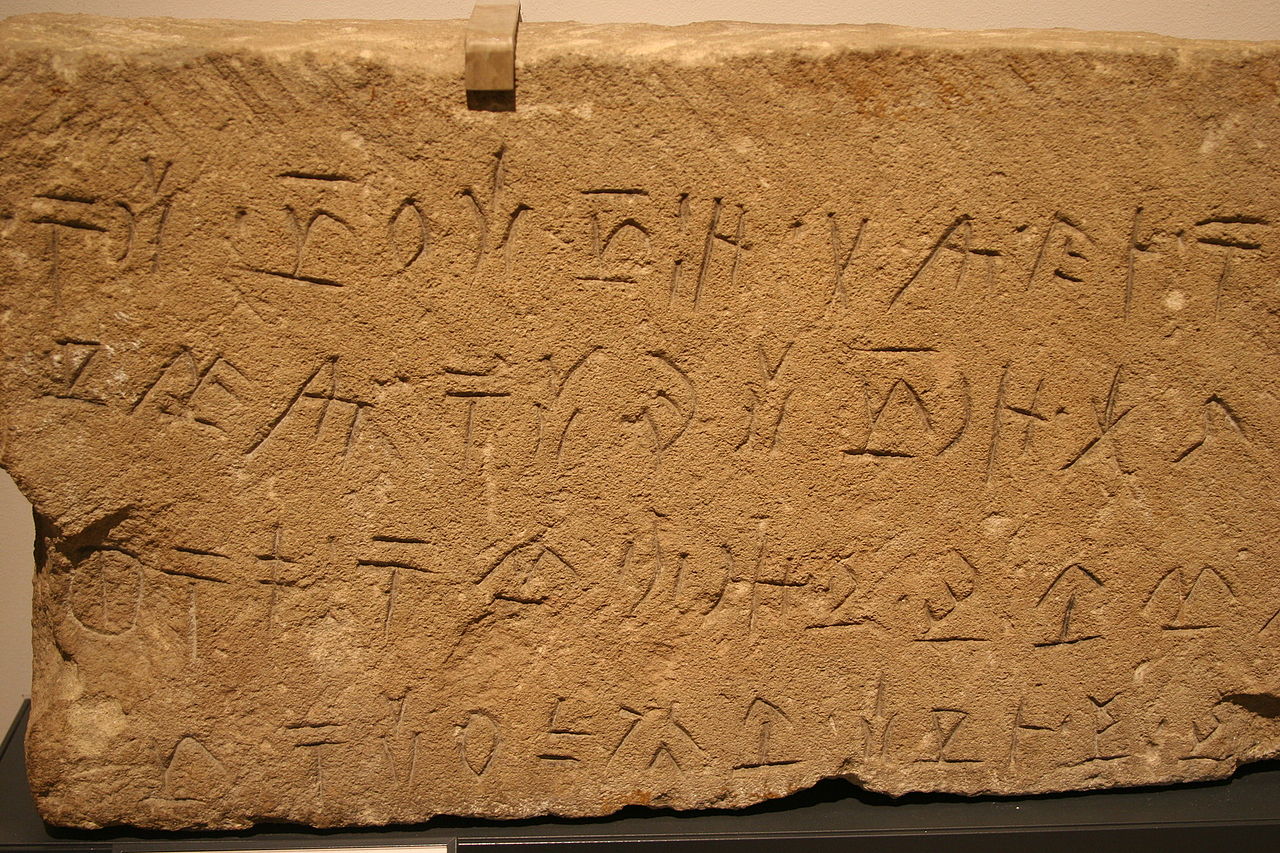
Bilingual Latin–Punic inscription at the theatre in Leptis Magna in present-day Libya
📉 Causes Of Language Death
Languages can become dead for several reasons! 📉One cause is when communities change and adopt new languages. Imagine if everyone in your town stopped speaking English and started speaking Spanish! This change could make English fade away. 🌍Another reason is when people move to different places, leaving their old language behind! 🌆Sometimes, languages die because of conflicts, where groups of people face difficulties and stop using their original language. Protecting our languages helps keep our cultures alive! 🛡️
Go deeper♻️ Future Of Dead Languages
What will happen to dead languages in the future? ♻️ As people learn more about these languages, they may become more popular again! Some languages may even be taught in schools to keep them alive! 🌳Technology also helps share dead languages through apps and online courses, making learning easier! 📱While some dead languages may fade into the past, others can be revived, keeping the stories of ancient people alive! 🌌It's a journey where we learn and grow from the past, ensuring our future is bright! 🌟
Go deeper🗺️ Examples Of Dead Languages
There are many examples of dead languages from around the world! 🗺️ One well-known dead language is Sumerian, which was spoken in ancient Iraq over 4,000 years ago. Another example is Ancient Egyptian, which was used for writing and has beautiful hieroglyphs! 🦜There’s also Old Norse, spoken by Vikings, and Latin, which many people still use in science! 🌿Each of these languages gives us clues about the past, helping us understand how people lived and communicated long ago!
Go deeper📚 Dead Languages In Literature
Dead languages have also inspired many famous works of literature! 📚For example, Latin is found in many old books, like the Bible, and was used by writers like Julius Caesar. Ancient texts were written in languages like Sumerian and Ancient Greek, giving us epic tales like the "Iliad." 🛡️ Languages are the building blocks of stories, helping us connect to different times and places! Even today, authors use old languages to add magic and mystery to their stories! 📖✨
Go deeper🏅 Definition Of A Dead Language
A dead language is like a treasure chest full of old words and stories! 🏅When a language has no living native speakers, it is considered "dead." This often happens when communities change, and people start using different languages instead. For example, if a family only speaks Spanish, their children may not learn their grandparents’ old language. 📚A famous dead language is Ancient Greek, which was spoken thousands of years ago! Even though it doesn't have native speakers, we can still find its words in modern languages! 🌟
Go deeper🔍 Comparison With Extinct Languages
Dead languages and extinct languages are similar but have some differences! 🔍A dead language still has written records, while extinct languages have no speakers or writings left at all! An example of an extinct language is Etruscan, which was spoken in Italy but has very few inscriptions remaining. 🏛️ Dead languages like Latin still influence modern languages, whereas extinct languages might completely disappear. ⚰️ Studying both helps us learn about how languages grow and change over time! 🌱
Go deeper🏺 Cultural Impact Of Dead Languages
Dead languages can have a huge impact on cultures! 🏺They tell us stories about how ancient people lived, what they believed, and how they interacted with their world. For example, many fairy tales and fables we know today have roots in dead languages like Latin and Ancient Greek! 📖Learning about these languages can inspire new stories and understanding of our history. 🌈By studying dead languages, we also honor the traditions of those who came before us, keeping their wisdom alive for future generations! 🕰️
Go deeper🌱 Revival Efforts Of Dead Languages
Some people work hard to bring dead languages back to life! 🌱This is called language revival. One famous example is Hebrew, an ancient language that was revived in the 20th century and is now spoken in Israel! 🇮🇱 People create schools and communities to teach the language to new generations. Sometimes, they even use songs, stories, and games to make learning fun! 🎶Efforts like these help keep cultures alive and remind us that every language is special, even if it’s no longer spoken! ⚡
Go deeper🎓 Importance Of Studying Dead Languages
Studying dead languages is super important! 🎓They help us understand history and how humanity has evolved over centuries! By learning about ancient cultures, we find connections to our own lives and recognize our shared stories. 🌍Dead languages teach us that every word has a history, and language shapes our identity! This knowledge makes us appreciate diversity and the beauty of different cultures. 🌈Plus, exploring old languages can spark our imagination and inspire creativity in our writing and speaking! 🖍️
Go deeper🚀 Linguistic Features Of Dead Languages
Dead languages have special rules and vocabulary that make them unique! 🚀For example, Latin has different endings for words, called "declensions," that change their meaning. 🏷️ Sumerian had a cuneiform writing system, where people used wedge-shaped symbols. This is super different from the letters we use today! ✏️ Understanding the features of these languages helps us learn how people communicated and shared ideas long ago! 🗨️ Each dead language is like a puzzle waiting to be solved! 🔍
Go deeper