Dasyuromorphia Facts For Kids
Dasyuromorphia is an order of carnivorous marsupials native to Australia, including species like the Tasmanian devil, quolls, and numbats, known for their unique hunting skills and pouches for carrying their young.
Select reading age
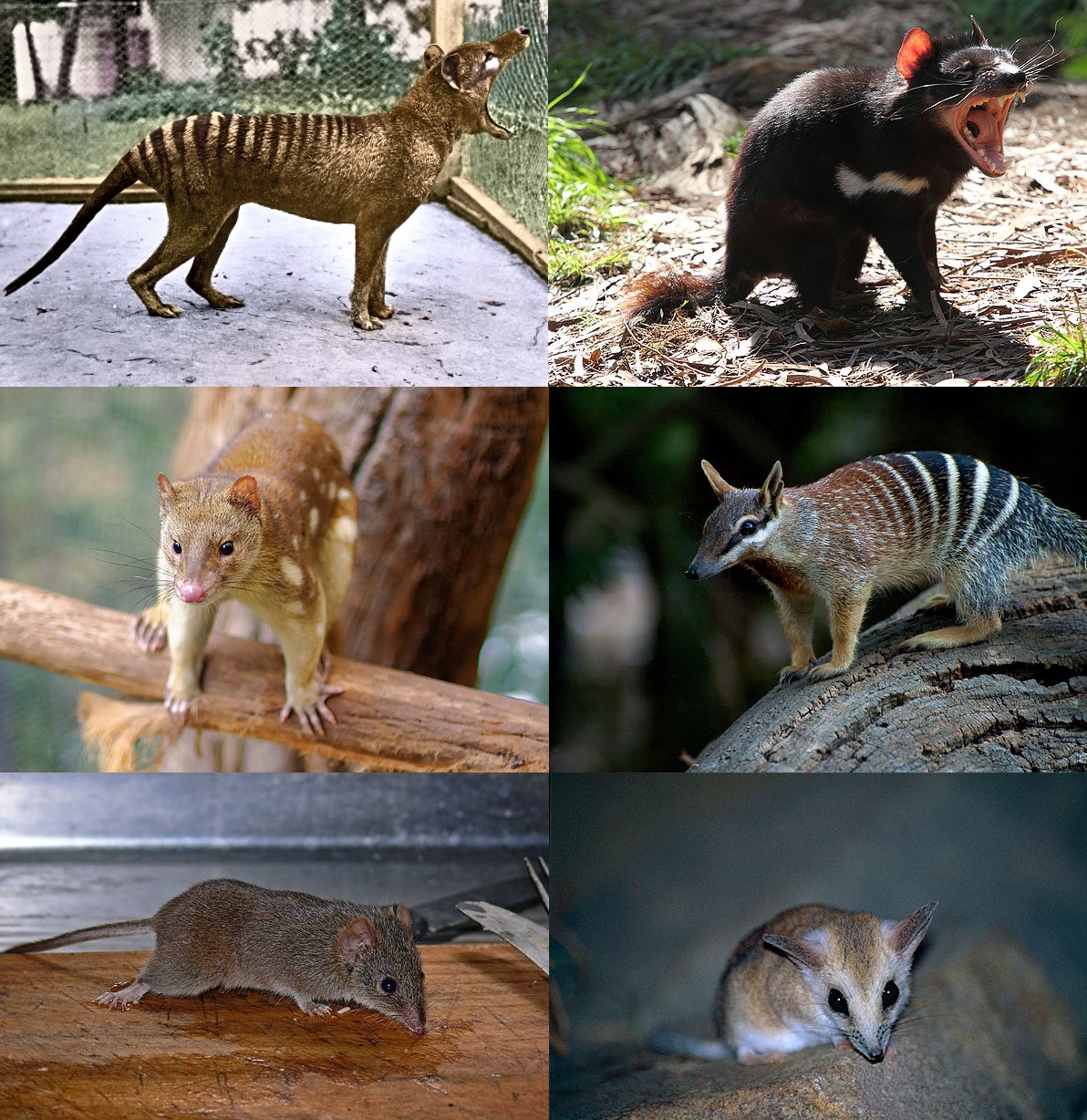
Dasyuromorphia Facts For Kids
Videos & Quizzesincluded
About this topic
Dasyuromorphia sounds like a big word, but it’s an exciting group of animals! 🦘They include many carnivorous marsupials from Australia, which means they eat meat and carry their babies in pouches. Some famous members of this group are the Tasmanian devil, quolls, dunnarts, and even the long-extinct thylacine. 🌍These animals are unique because they all share certain features that make them part of this special family. Let’s dive into the fascinating world of Dasyuromorphia and learn more about these incredible creatures! 🐾
Explore with ChatDinoKey Points
Dasyuromorphs play an important role in their ecosystems!
Sadly, many Dasyuromorphs are at risk!
Dasyuromorphs have a fascinating way to care for their babies!
Dasyuromorphia is a scientific term for a group of carnivorous marsupials!
Dasyuromorphs are carnivores, which means they love to eat meat!
Dasyuromorphs love to hang out in Australia and New Guinea!
Dasyuromorphs come in many shapes and sizes!
Dasyuromorphs have been around for a very long time!
Dasyuromorphs face many dangers, such as habitat loss from human activities and introduced species like cats and foxes.
Some well-known members of Dasyuromorphia include the mighty Tasmanian devil, cute quolls, and speedy dunnarts!
🌍 Ecological Role
Dasyuromorphs play an important role in their ecosystems! 🌍As predators, they help keep populations of insects and small animals in check. This balance keeps nature healthy! 🐭For example, when quolls hunt rodents, they help prevent those animals from overpopulating. Additionally, when Dasyuromorphs scavenge, they clean up the environment by eating dead animals, which reduces disease spread. 🦠Each member of this group contributes to a vibrant and functioning ecosystem, making them vital for the health of their habitats! 🌿
Go deeper🚨 Conservation Status
Sadly, many Dasyuromorphs are at risk! 🚨The International Union for Conservation of Nature (IUCN) keeps track of how species are doing. Some species, like the Tasmanian devil, are endangered due to habitat loss and diseases. 🦠Others, like the dunnart, are vulnerable. That means they could be in danger if we don’t help them! Thankfully, many organizations are working hard to protect these amazing animals and their homes so that they can thrive for generations to come! 🌱
Go deeper🍼 Reproductive Behavior
Dasyuromorphs have a fascinating way to care for their babies! 🍼Like other marsupials, they give birth to tiny, underdeveloped babies. These babies then crawl into their mother’s pouch, where they grow and get milk. 🐾Tasmanian devil moms can have up to four babies in their pouch! After a few months, the babies are ready to explore outside. Isn’t that cool? 👶In some species, the babies stay with their mother for several months and learn how to hunt before going off on their own!
Go deeper🦡 Defining Dasyuromorphia
Dasyuromorphia is a scientific term for a group of carnivorous marsupials! 🦡The name comes from Greek; "Dasyu" means furry, and "morpha" means shape, so they are often furry animal shapes! These animals have special adaptations that help them hunt and survive in the wild. For example, they have sharp teeth and strong paws. 🦷Today, many species of Dasyuromorphs live in Australia and New Guinea, but they used to be found in other places, too! Would you believe the thylacine, also called the Tasmanian tiger, was part of this family? 📜
Go deeper🥩 Diet And Feeding Habits
Dasyuromorphs are carnivores, which means they love to eat meat! 🥩Their diet can include insects, small animals, and even some scavenged food. The Tasmanian devil is a great scavenger and can eat almost anything! 🍖Quolls are clever hunters and use their sharp claws and teeth to catch their prey. 🐛Some Dasyuromorphs, like the numbat, mainly eat termites! They have long, sticky tongues that help them reach those tasty bugs. Yum! 😋They need lots of energy to run, hunt, and play in the wild!
Go deeper🦘 Habitat And Distribution
Dasyuromorphs love to hang out in Australia and New Guinea! 🦘They can be found in different habitats, including forests, grasslands, and even deserts! 🌾Each species has its favorite home. For instance, the numbat prefers open woodlands, while the Tasmanian devil lives mostly in Tasmania, an island state of Australia. 🏝️ Some Dasyuromorphs like to dig burrows, while others are tree climbers! No matter where they are, they always find a cozy spot to rest when they are not out hunting! 🏡
Go deeper😸 Physical Characteristics
Dasyuromorphs come in many shapes and sizes! 😸For example, the Tasmanian devil is about the size of a small dog, while a dunnart can be as small as a mouse! 🐭They usually have sharp, pointed ears, strong legs for running, and furry bodies. Most Dasyuromorphs have long tails, which help them balance while they move. 🐕Their fur can be various colors, from spotted to striped, helping them blend in with their environment. This helps them catch prey and stay safe from bigger animals. Nature has given them cool features for survival! 🌿
Go deeper🦖 Fossil Record And Evolution
Dasyuromorphs have been around for a very long time! 🦖Fossils show that their ancestors roamed the Earth millions of years ago. Just like dinosaurs, they had their own unique features. The extinct thylacine was once a top predator in Australia before it disappeared in the 20th century. 🐅Scientists study fossils to learn how these animals have changed over time. They are like detectives, putting together clues about how Dasyuromorphia came to be! 🕵️♂️ Isn’t it cool to think about how these creatures fit into the history of our planet?
Go deeper🚫 Threats And Conservation Efforts
Dasyuromorphs face many dangers, such as habitat loss from human activities and introduced species like cats and foxes. 🚫These threats can make it hard for them to find food and safe places to live. To help protect them, many wildlife organizations are working on conservation efforts, like creating wildlife reserves and breeding programs. 📈These efforts aim to restore their populations and preserve their habitats. By spreading awareness, we can all help protect these amazing marsupials! Together, we can make a difference for Dasyuromorphs and our planet! 🌏
Go deeper🦘 Notable Species In Dasyuromorphia
Some well-known members of Dasyuromorphia include the mighty Tasmanian devil, cute quolls, and speedy dunnarts! 🦘Each of these species has special traits. For example, quolls are famous for their beautiful spots, while the numbat is known for its long tongue used to eat termites! 🍴The Tasmanian devil has a loud, scary growl, but it’s actually a scavenger! Even though they are different, they all share a connection as part of this fascinating group. Let’s remember these unique animals and work to protect them! ❤️🐾
Go deeper