D-sorbitol Facts For Kids
D-sorbitol, also known as glucitol, is a low-calorie sugar alcohol that has a sweet taste and is slowly metabolized by the human body, making it a popular alternative sweetener in various products.
Select reading age
D-sorbitol Facts For Kids
Videos & Quizzesincluded
About this topic
D-sorbitol (also known as sorbitol or glucitol) is a special sugar that the human body can slowly break down. 🍬It's a sugar alcohol, which means it has some properties of sugar and some of alcohol, but it’s not the same as drinking alcoholic drinks! Sorbitol is naturally found in some fruits, like apples and pears. 🌳🍏 This sweet substance is often used as a low-calorie sweetener in foods and drinks. It’s about 60% as sweet as regular sugar, making it a popular choice for sugar-free products!
Explore with ChatDinoKey Points
In nature, D-sorbitol plays a cool role!
D-sorbitol has some health benefits that are fun to learn about!
Countries around the world agree that D-sorbitol is safe!
The chemical structure of D-sorbitol is interesting!
Making D-sorbitol is an interesting process!
D-sorbitol is a white, sweet powder that dissolves easily in water!
Sorbitol is considered safe for most people when enjoyed in normal amounts!
D-sorbitol has many fun uses!
D-sorbitol is different from regular sugar (sucrose) in a few neat ways!
Scientists are always exploring new things about D-sorbitol!
Photos of D-sorbitol

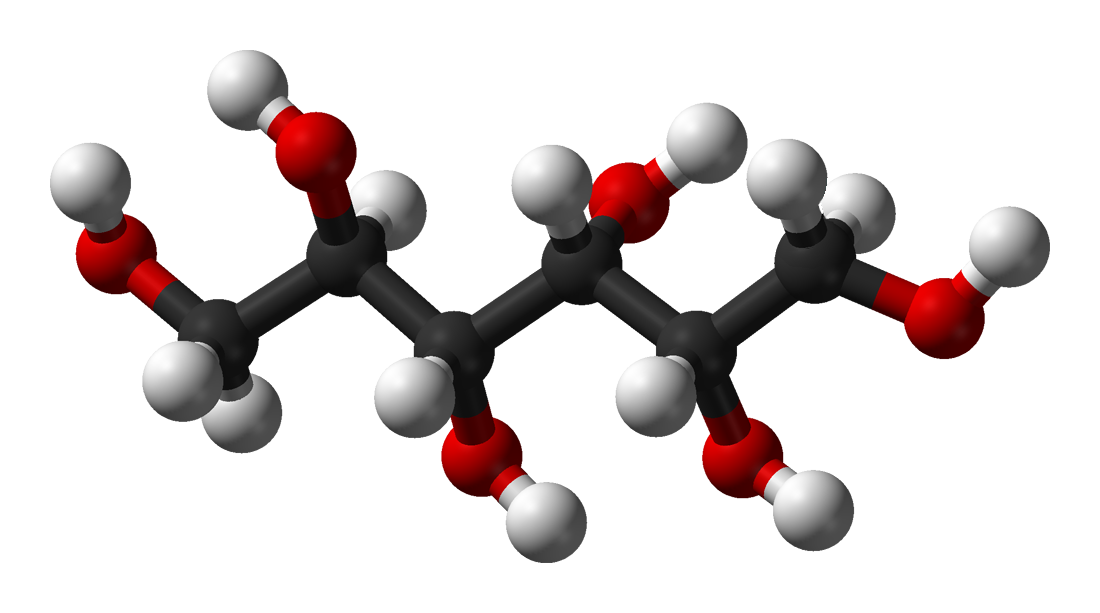
Chemical structure of D-sorbitol
🌍 Biological Role
In nature, D-sorbitol plays a cool role! 🌍Many plants make sorbitol to help them survive in dry conditions. It helps retain water, which is super important in hot weather! Sorbitol also supports energy transport within plants, letting them grow strong and healthy. 🥦For humans, sorbitol can provide energy, but it’s absorbed slowly. This helps keep our energy levels balanced without sudden spikes, unlike regular sugar. 🍭
Go deeper🌟 Health Benefits
D-sorbitol has some health benefits that are fun to learn about! 🌟Since it’s a low-calorie sweetener, it can be a smart choice for people who want to reduce sugar in their diet. Sorbitol also helps to keep things moving in your tummy, which means it can aid digestion! 🚽Some studies have shown that it might help prevent cavities by not feeding bacteria that cause tooth decay. However, like all sweeteners, it’s important to use it in moderation!
Go deeper🌏 Regulatory Status
Countries around the world agree that D-sorbitol is safe! 🌏In the United States, the FDA has labeled it as Generally Recognized As Safe (GRAS). Other countries, including those in the European Union, also allow its use in food and drinks. 🌍These regulations help ensure that everything we eat is safe and healthy. As you learn about different ingredients, remember that approval from food safety organizations is super important!
Go deeper🧪 Chemical Structure
The chemical structure of D-sorbitol is interesting! 🧪It has six carbon atoms, twelve hydrogen atoms, and six oxygen atoms, which you can write as C6H14O6. This makes it part of a group called polyols, or sugar alcohols. Sorbitol’s unique structure allows it to absorb water, which can be helpful for keeping things moist in baked goods. 🌧️When you look at its structure on a diagram, you can see the arrangement of atoms connected by bonds, kind of like a complex LEGO set!
Go deeper🎉 Production Methods
Making D-sorbitol is an interesting process! 🎉Usually, it's created from glucose, a simple sugar found in many foods. First, glucose is treated with hydrogen gas using a special catalyst. This turns glucose into sorbitol! 🏭The process is done under controlled conditions to ensure it’s safe and clean. Sorbitol can also be found in nature, especially in fruits like cherries and berries, where plants naturally make it. 🌱
Go deeper💧 Physical Properties
D-sorbitol is a white, sweet powder that dissolves easily in water! 💧It has a melting point of 95 °C (203 °F), which means it gets soft and gooey when it gets warm, just like when you soften butter. Sorbitol has a sweet flavor, but it doesn’t cause a sudden spike in blood sugar, making it different from regular sugar! 🍭Another cool thing is that sorbitol can hold onto water, which helps keep foods fresh and tasty!
Go deeper✅ Safety And Toxicology
Sorbitol is considered safe for most people when enjoyed in normal amounts! ✅The U.S. Food and Drug Administration (FDA) says it is Generally Recognized As Safe (GRAS). However, eating too much sorbitol can sometimes make your tummy feel upset or even cause gas. 🌬️ That’s because it can pull water into the intestines. So, always ask an adult about how much is okay to have!
Go deeper🍰 Uses And Applications
D-sorbitol has many fun uses! 🍰It's often added to sugar-free candies, gum, and soft drinks, giving them a nice sweetness without extra calories. Sorbitol is also used in toothpaste and mouthwash for a fresh taste. 🪥It helps keep your mouth clean without feeding the cavity-causing bacteria! Additionally, it’s used in some medications and even cosmetics to keep them smooth and moist. So, sorbitol is quite a handy ingredient in our daily lives! 🛍️
Go deeper🍭 Comparison With Other Sugars
D-sorbitol is different from regular sugar (sucrose) in a few neat ways! 🍭Regular sugar is sweeter and provides energy quickly. In contrast, sorbitol is less sweet—about 60% of the sweetness of sugar—and is digested slowly! This means it has a lower calorie count and won't cause sudden spikes in blood sugar levels. 🚦Other sugar alcohols, like xylitol and mannitol, also behave similarly to sorbitol, but sorbitol is the one found most often in foods!
Go deeper🔍 Research And Future Directions
Scientists are always exploring new things about D-sorbitol! 🔍Recent studies are investigating how it might help people with diabetes since it’s safe and low-calorie. 🎓Researchers are also looking into its effects on gut health and how it works in the body. In the future, sorbitol may even be used in new ways, like in medications or healthy snacks! 🌟The more we learn about sorbitol, the more exciting possibilities open up for health and nutrition!
Go deeper