Coccinellidae Facts For Kids
Coccinellidae, or ladybugs, are small beetles well-known for their vibrant colors and spots, and they serve as important natural pest controllers in ecosystems.
Select reading age

Coccinellidae Facts For Kids
Videos & Quizzesincluded
About this topic
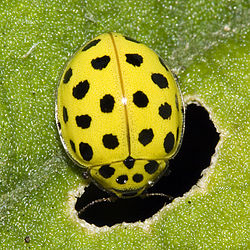
Coccinellidae, also known as ladybugs or ladybirds, are small beetles found all around the world! 🌍There are over 5,000 different species of ladybugs, which makes them quite a large family! They have colorful bodies, often red or yellow, with black spots. Ladybugs are famous for being helpful to farmers because they eat pests like aphids, which can harm plants. 🌱By keeping pest populations low, ladybugs help gardens grow healthy and strong. Ladybugs can be found in many habitats, from gardens to forests, making them an important part of nature!
Explore with ChatDinoQuick Facts
Key Points
- Did you know ladybugs can fly?
Most ladybug species are in good shape, but some species, like the Nine-spotted Ladybug (Coccinella novemnotata), are becoming rare!
Ladybugs have a fascinating way of making more ladybugs!
Ladybugs are not only important in nature, but they also hold special meanings in cultures around the world!
Ladybugs play a vital role in keeping our ecosystems balanced!
Ladybugs, like many creatures in nature, have their own enemies!
Ladybugs live in many places around the world!
Ladybugs have a rounded, dome-shaped body and can be as small as 0.8 mm to about 18 mm long!
Ladybugs are like tiny superheroes for your garden!
Ladybugs belong to the family Coccinellidae in the class Insecta.
Photos of Coccinellidae

Coccinellidae — photo 1
Please report references to olei@despammed.com .

Coccinellidae — photo 3


Coccinellidae — photo 5

Coccinellidae — photo 6

Coccinellidae — photo 7

Coccinellidae — photo 8

Coccinellidae — photo 9
🕊️ Interesting Facts
- Did you know ladybugs can fly? 🕊️ Their wings are hidden under their hard shells!
- The spots on a ladybug's back can vary by species; some have no spots at all! 🎨
- Ladybug larvae look like little alligators! They are usually black or dark and have orange spots! 🐊
- In some places, people celebrate "Ladybug Day" to appreciate these helpful beetles! 🎉
- Ladybugs hibernate during the winter, often in groups, to keep warm! ❄️
Ladybugs are truly fascinating creatures!
Go deeper- The spots on a ladybug's back can vary by species; some have no spots at all! 🎨
- Ladybug larvae look like little alligators! They are usually black or dark and have orange spots! 🐊
- In some places, people celebrate "Ladybug Day" to appreciate these helpful beetles! 🎉
- Ladybugs hibernate during the winter, often in groups, to keep warm! ❄️
Ladybugs are truly fascinating creatures!
🌏 Conservation Status
Most ladybug species are in good shape, but some species, like the Nine-spotted Ladybug (Coccinella novemnotata), are becoming rare! 🌏Scientists and conservationists are studying ladybug populations to understand their needs. Changes in farming practices, pesticide use, and habitat loss can harm ladybugs. It's essential to care for our environment to protect these colorful insects! 🌈You can help by planting gardens with diverse plants, using fewer chemicals, and creating habitats for ladybugs at home or at school! Working together, we can keep ladybugs safe!
Go deeper🐞 Reproductive Biology
Ladybugs have a fascinating way of making more ladybugs! 🐞When the weather warms up, ladybugs mate in the spring. After mating, the female lays about 10 to 15 eggs on the underside of leaves, often near aphids, so the baby ladybugs have food when they hatch. 🥚The eggs hatch in about a week into tiny larvae, which look quite different from adults. These larvae are black with orange spots and can eat as many aphids as their parents! 🐛After a few weeks, the larvae pupate and turn into adult ladybugs!
Go deeper🍀 Cultural Significance
Ladybugs are not only important in nature, but they also hold special meanings in cultures around the world! In some cultures, they are seen as symbols of good luck and protection. 🍀For example, in Europe, if a ladybug lands on you, it is believed you will have good fortune! ⭐In Chinese culture, the ladybug is called "cattle beetle" and is thought to bring happiness. Many children love ladybugs, and they appear in stories, toys, and even art! 🎨They are adored symbols of nature in many countries!
Go deeper🌿 Ecological Importance
Ladybugs play a vital role in keeping our ecosystems balanced! 🌿By eating harmful pests like aphids, they help farmers and gardeners grow healthy crops and plants. This makes ladybugs essential for food production! 🍎They also serve as food for predators, creating a link in the food web in various habitats. Additionally, ladybugs help with pollination because they visit flowers while searching for food. 🌼This support makes them important friends of nature and helps keep everything in harmony!
Go deeper🦅 Predators And Parasites
Ladybugs, like many creatures in nature, have their own enemies! 🦅Birds, such as sparrows or blue jays, love to eat ladybugs because of their brightly colored shells. Other predators include spiders, wasps, and frogs! 🐸Some ladybug species are also affected by parasites, like tiny flies that lay eggs in them. 🪲When the eggs hatch, the larvae eat the ladybug from the inside. Even though ladybugs have ways to warn predators with their colors, they still face danger in the wild!
Go deeper🌍 Habitat And Distribution
Ladybugs live in many places around the world! 🌍You can find them in gardens, forests, fields, and even at your home! They like to stay where there are plants, as they feed on pests. 🌱In the United States, you might spot the Multicolored Asian Lady Beetle (Harmonia axyridis). In Europe, you will find the famous Two-spotted Ladybug (Adalia bipunctata). 🍃Ladybugs thrive in warm, sunny areas and prefer habitats with shrubs and tall plants where they can hide and find food.
Go deeper🐞 Physical Characteristics
Ladybugs have a rounded, dome-shaped body and can be as small as 0.8 mm to about 18 mm long! 🐞They usually have brightly colored shells, like bright red, orange, or yellow, with black dots that help warn predators that they can taste bad or even be poisonous. Their bodies are made up of three parts: the head, thorax, and abdomen. 🐛Ladybugs have six legs and two long antennae that help them sense their surroundings. They are also recognized for their shininess, which helps them stand out! ✨
Go deeper🦸♂️ Diet And Feeding Behavior
Ladybugs are like tiny superheroes for your garden! 🦸♂️ They mainly eat soft-bodied insects, especially aphids, which are small pests that munch on plants. 🌾One ladybug can eat up to 5,000 aphids in its lifetime! Ladybugs also munch on tiny eggs and larvae of pests, helping to keep plants healthy. 🌻When food is scarce, they can eat pollen and nectar too! Ladybugs are helpful because they help control pest populations and keep gardens looking beautiful. Their munching habit is vital for plants to grow strong!
Go deeper🐞 Taxonomy And Classification
Ladybugs belong to the family Coccinellidae in the class Insecta. 🐞This family is part of the order Coleoptera, which includes all beetles. The scientific name for the ladybug is Coccinella. There are many types of ladybugs, such as the Seven-spotted Ladybug (Coccinella septempunctata) and the Twice-stabbed Ladybug (Chilocorus stigma). Scientists group ladybugs based on their appearance, like color, shape, and the number of spots. 👀They are often studied by entomologists, who are scientists that love to learn about insects!
Go deeper