Coahuiltecan Facts For Kids
Coahuiltecan refers to a group of indigenous languages spoken by the Coahuiltecan peoples in Texas and northeastern Mexico, mostly now endangered.
Select reading age
Coahuiltecan Facts For Kids
Videos & Quizzesincluded
About this topic
The Coahuiltecan language was spoken by the Coahuiltecan people in Texas and northern Mexico. 🗺️ Sadly, this language is no longer spoken today. The Coahuiltecan people were a group of Native American tribes living in an area around the San Antonio River. The language had different dialects, which means people from different groups spoke it in slightly different ways. The Coahuiltecan language has contributed to our understanding of Native American cultures and reminds us of the rich history of people before us! 🌟
Explore with ChatDinoKey Points
Long ago, the Coahuiltecan people lived in southern Texas.
Coahuiltecan culture was rich with traditions 🌈.
The Coahuiltecan diet was varied and interesting!
Coahuiltecan people were skilled artisans!
Today, the Coahuiltecan language has largely disappeared, but the legacy of the Coahuiltecan people remains strong!
Coahuiltecan society was centered around families and tribes.
Coahuiltecan people had many traditional customs.
The Coahuiltecan people believed in a spiritual world full of spirits and deities.
Photos of Coahuiltecan

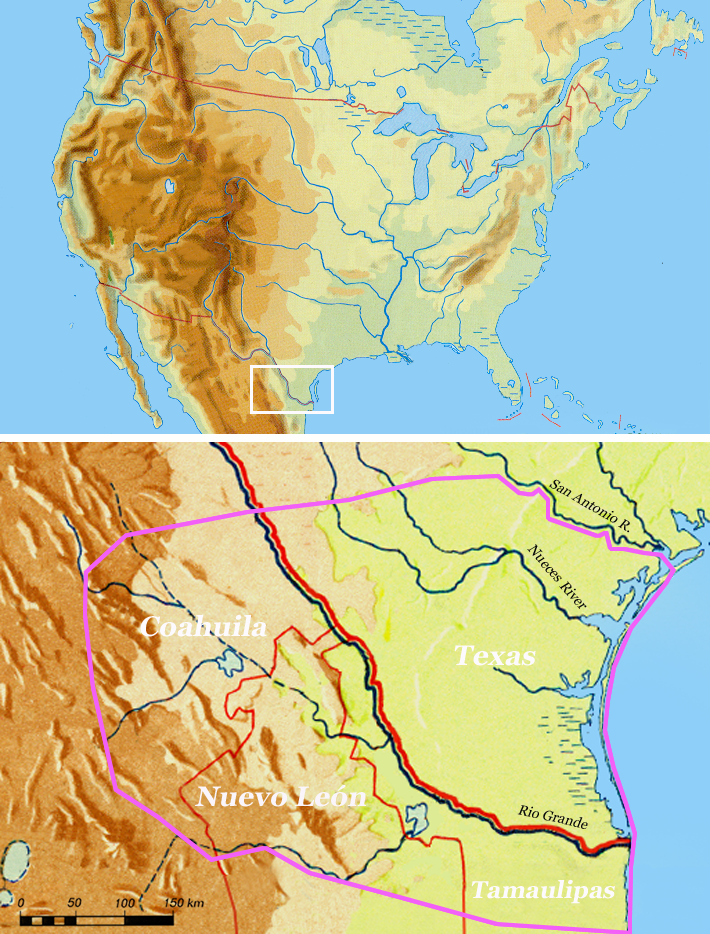
This map shows (in orange) the proximity of Coahuiltecan peoples in Texas, although most authorities would not include the Karankawa and Tonkawa as Coahuiltecan.

Prickly pear cactus grew in huge thickets in the south Texas brushlands. The pads, nopales, and fruit, tuna, were an important summer food for the Coahuiltecan.
🛖 History And Origins
Long ago, the Coahuiltecan people lived in southern Texas. 🛖The name "Coahuiltecan" comes from the word “Coahuila,” which refers to the region where they lived. The tribes mostly spoke a language that’s now called Coahuiltecan, made up of many local dialects. These groups included the San Anto, the Pajalats, and the Pateños. During the 18th century, European explorers came to Texas, and the Coahuiltecan people faced many changes because of colonization. 🚢Sadly, due to battles, diseases, and loss of land, fewer people spoke the language, leading it closer to extinction.
Go deeper🌈 Culture And Language
Coahuiltecan culture was rich with traditions 🌈. Before they began to disappear, the groups had unique ways of telling stories and sharing experiences! They spoke different dialects, such as “Cahuilla” and “Kowij.” They believed in a variety of spirits and often honored them during special ceremonies. 👏Art and music were important parts of their culture too! Although Coahuiltecan is not widely spoken today, it still plays an essential role in understanding the lives of these people and how they connected to nature and each other.
Go deeper🌽 Diet And Agriculture
The Coahuiltecan diet was varied and interesting! 🌽They primarily hunted deer, which they used for food and clothing. They also gathered nuts, berries, and plants that grew in their environment. The women often collected food while the men hunted. They planted small gardens where they grew crops like corn, beans, and squash, known as the “Three Sisters.” These foods were staples in their diet and helped support their families. 🍲The Coahuiltecan people had a deep respect for nature, understanding that it provided for their needs and contributed to their culture.
Go deeper🎨 Art And Craftsmanship
Coahuiltecan people were skilled artisans! 🎨They created beautiful pottery, woven baskets, and tools from materials they found in nature. The pottery was often decorated with interesting designs and used for cooking and storing food. The woven baskets were handy for gathering and serving food. They also made musical instruments, such as drums and rattles, to accompany their dances and songs. 🎶The art reflected their connection to their environment and carried stories and cultural significance. Even without the language, their craftsmanship tells us much about their creativity and ways of life!
Go deeper🌟 Contemporary Issues And Legacy
Today, the Coahuiltecan language has largely disappeared, but the legacy of the Coahuiltecan people remains strong! 🌟Many organizations work to remember their history and share their stories. People are learning about Native American cultures, including the Coahuiltecan, to promote understanding and respect. Schools and communities celebrate Indigenous Heritage Month to honor all Native American groups. 🗓️ By exploring their history and culture, we can better appreciate the diversity and richness of human experiences, ensuring that their stories endure for future generations.
Go deeper👪 Social Structure And Family Life
Coahuiltecan society was centered around families and tribes. 👪Families usually lived together in small groups, sharing responsibilities for hunting and gathering food. The women took care of the children and cooked, while the men hunted and defended the tribe. Leaders were important, helping to guide the group in decisions and ceremonies. ✨Even though they were divided into different tribes, they often worked together and shared resources. They celebrated community events to strengthen their connections and keep their traditions alive for future generations.
Go deeper🌾 Traditional Customs And Practices
Coahuiltecan people had many traditional customs. 🌾They celebrated events with music, dancing, and storytelling, passing down their history to younger generations. They also participated in spiritual rituals involving nature, like honoring animals, plants, and the earth, which they believed held special powers. 🦅Family and community were vital, and sharing food during gatherings brought everyone together. Even though the Coahuiltecan language is gone, some customs are still alive today, reminding us of their rich cultural heritage and connection to the land.
Go deeper🌌 Religious Beliefs And Spirituality
The Coahuiltecan people believed in a spiritual world full of spirits and deities. 🌌They honored nature and thought animals, plants, and even rocks had special powers. They held ceremonies to ask for guidance and blessings, often recognizing the importance of the earth and the sky in their lives. 🌿Many of these beliefs were passed down through storytelling. Although the Coahuiltecan language may no longer exist, these spiritual practices open a window into how they viewed the world and the connection to their environment.
Go deeper