Climate Zones Facts For Kids
Climate zones are regions of the Earth defined by distinct temperature, precipitation patterns, and ecological characteristics, influencing the types of flora and fauna that thrive in each zone.
Select reading age
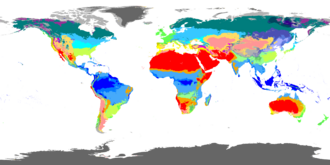
Climate Zones Facts For Kids
Videos & Quizzesincluded
About this topic
Climate zones are areas of the Earth that have similar weather patterns! 🌍These zones help scientists understand where different plants and animals can live. The Earth is divided into several climate zones, like tropical, temperate, and polar zones. The weather in these places is shaped by things like temperature and rainfall. For example, tropical zones are warm and wet, while polar zones are cold and dry! 🌧️❄️ By studying climate zones, we can learn how to take better care of our planet and understand its history. 🌱
Explore with ChatDinoKey Points
There are five main types of climate zones: tropical, dry, temperate, cold, and polar!
Climate zones occur all over the world!
Agriculture, or farming, is closely related to climate zones!
Humans adapt to climate zones by changing how they live!
Urban heat islands are areas in cities that are hotter than surrounding rural areas!
Scientists study climate zones to predict future climate patterns!
Biodiversity means the variety of plants and animals in an area.
Climate change is the long-term change in temperature and weather patterns on Earth.
Photos of Climate Zones

Leslie Holdridge's Life Zone Classification system is essentially a climate classification scheme.
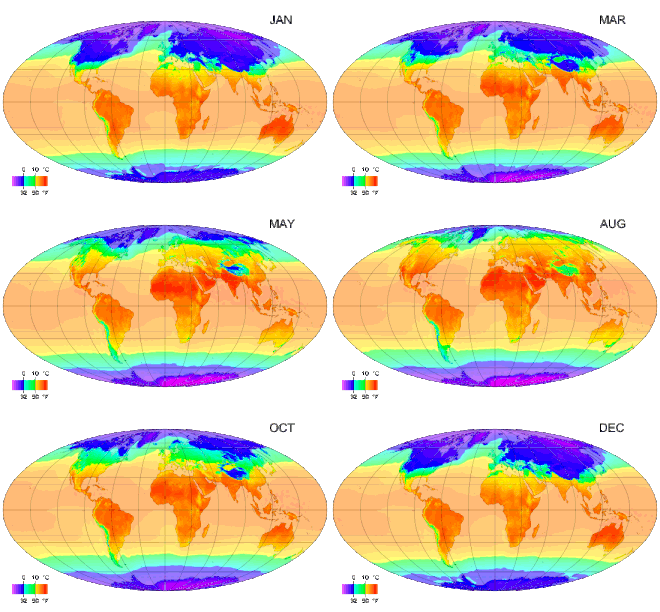
Monthly average surface temperatures from 1961 to 1990. This is an example of how climate varies with location and season

Monthly global images from NASA Earth Observatory (interactive SVG)
![The world's cloudy and sunny spots. NASA Earth Observatory map using data collected between July 2002 and April 2015.[11]](https://upload.wikimedia.org/wikipedia/commons/thumb/f/f7/Globalcldfr_amo_200207-201504_lrg.jpg/960px-Globalcldfr_amo_200207-201504_lrg.jpg)
The world's cloudy and sunny spots. NASA Earth Observatory map using data collected between July 2002 and April 2015.[11]
![Cloud cover by month for 2014. NASA Earth Observatory[13][14]](https://upload.wikimedia.org/wikipedia/commons/thumb/6/6d/5_11_15_Brian_AquabyMonth.gif/960px-5_11_15_Brian_AquabyMonth.gif)
Cloud cover by month for 2014. NASA Earth Observatory[13][14]

Humid continental climate, worldwide

Map of arctic tundra

Precipitation by month
🌴 Types Of Climate Zones
There are five main types of climate zones: tropical, dry, temperate, cold, and polar! 🌴The tropical zone is near the equator, where it’s hot and rainy, like in Brazil. 🍃The dry zone gets little rain, like deserts in Africa. 🌵Temperate zones have all four seasons, like in the United States, with warm summers and cold winters. ❄️ Cold zones, like parts of Canada, have short summers and long, chilly winters. Lastly, polar zones, found in Antarctica and the Arctic, are freezing and mainly covered in ice! 🧊
Go deeper🌍 Climate Zone Distribution
Climate zones occur all over the world! 🌍The tropical zone is located around the equator, about 23.5 degrees north and south latitude. 🧭As we move away from the equator to higher latitudes, we find dry, temperate, cold, and polar zones. For instance, the Sahara Desert in Africa represents a dry climate zone, while the temperate zone is home to cities like London, England. ☔Polar zones are mostly in Greenland and Antarctica. 🌊Each climate zone has unique weather and seasons that affect the people and animals living there!
Go deeper🌾 Climate Zones And Agriculture
Agriculture, or farming, is closely related to climate zones! 🌾Different crops grow better in certain climates. In tropical areas, fruits like bananas and mangoes thrive due to warm weather and rain. 🍌In temperate zones, farmers grow crops like wheat and apples. 🌳Meanwhile, in dry zones, farmers may choose drought-resistant plants like cactus or sorghum. 🌵Understanding climate zones helps farmers plant the right crops for their area. Supporting local farmers and using the right seeds helps produce healthy food for everyone! 🍏
Go deeper🌞 Human Adaptation To Climate Zones
Humans adapt to climate zones by changing how they live! 🌞In tropical areas, people often build homes that stay cool and use local plants for shelter. 🌴In colder areas, like Alaska, folks wear heavy clothing and build insulated houses to keep warm. ❄️ Farmers plant specific crops based on their climate zone. For example, corn grows well in warm climates, while potatoes prefer cooler weather. 🌽This helps communities thrive! 💪Understanding climate zones helps us respect nature and improve our way of life in different environments. 🏡
Go deeper🌇 Urban Heat Islands In Climate Zones
Urban heat islands are areas in cities that are hotter than surrounding rural areas! 🌇This happens because buildings, roads, and concrete absorb more heat. In climate zones with hot summers, like tropical or temperate zones, this effect can make cities even hotter! 🌡️ For example, cities like Phoenix, Arizona, can be much warmer than nearby areas because of this heat island effect. 🌵To help reduce this, cities can plant more trees and create green spaces, making them cooler and friendlier for people and animals! 🌳
Go deeper🔮 Future Climate Patterns And Predictions
Scientists study climate zones to predict future climate patterns! 🔮They use computers and data to understand how climate can change over the years. 🌡️ For example, they predict that some temperate zones might become warmer, leading to new species of plants and animals moving in. 🌸Or, some polar zones might thaw, which can create problems for ice-dependent animals like seals. 🦭Learning about climate zones helps us prepare for changes and protect our planet! By acting responsibly today, we can help shape a brighter future for all living things! 🌈
Go deeper🌿 Impact Of Climate Zones On Biodiversity
Biodiversity means the variety of plants and animals in an area. 🌿Climate zones greatly influence biodiversity! Tropical zones are home to more species than any other climate zone due to their warm weather and continual rains. 🦋For example, the Amazon Rainforest has thousands of plant and animal species! 🌳In contrast, polar regions, like Antarctica, have fewer species due to extreme cold. 🐧These differences help scientists understand how climate affects living things and how ecosystems work. 🌸Each climate zone supports life differently, highlighting our planet's amazing variety!
Go deeper🌡️ Climate Change And Its Effect On Climate Zones
Climate change is the long-term change in temperature and weather patterns on Earth. 🌡️ Human activities, like burning fossil fuels, are causing the planet to warm. This affects climate zones! 🌪️ For instance, polar areas are warming quickly, leading to melting ice, which harms wildlife like polar bears. 🐻❄️ Tropical areas may get heavier rainfall, leading to flooding, while dry zones might become even drier. 🌵Reducing pollution can help slow down these changes! It's important to learn about climate zones so we can make better choices for our planet's future. 🌎
Go deeper