Charadriidae Facts For Kids
The bird family Charadriidae, which includes plovers, dotterels, and lapwings, is known for its adaptability to various habitats and interesting behavioral traits.
Select reading age
Charadriidae Facts For Kids
Videos & Quizzesincluded
About this topic
The Charadriidae family includes birds like plovers, dotterels, and lapwings! 🐦These birds are known for their round bodies and short, sturdy legs. They often live near water such as beaches and lakes. There are about 66 species of these birds found all over the world! 🌍They are great at crafting nests on the ground and can often be seen running quickly along the shore. Some of these birds are small, while others can be a bit bigger. They are special because of their colorful feathers and unique behaviors.
Explore with ChatDinoKey Points
There are many interesting species in the Charadriidae family!
Many Charadriidae species face challenges because of habitat loss and pollution.
Charadriidae birds hold a rich place in various cultures!
Charadriidae belongs to the order Charadriiformes, which includes many other water-loving birds like gulls!
Charadriidae are good at finding food in the mud or sand!
When it’s time to have babies, Charadriidae birds usually mate for just one season!
These amazing birds can be found in many places all around the world!
Charadriidae birds are beloved by many people!
Charadriidae birds have very special features!
Most Charadriidae birds are social and often found in groups called flocks!
🦩 Notable Species
There are many interesting species in the Charadriidae family! 🦩One special one is the Killdeer, famous for its distinctive call and double black bands across its chest. The Great Ringed Plover, found mainly in Europe, has a unique look with its orange eye-ring! 🌼Dotterels have striking patterns and shapes that make them stand out! The Pacific Golden-Plover is famous for its beautiful black and gold colors, changing according to the seasons. 🦚Each species contributes to the beauty and diversity of nature, so learning about them is fun!
Go deeper🌍 Conservation Status
Many Charadriidae species face challenges because of habitat loss and pollution. 🌍Some birds, like the Piping Plover in North America, are endangered. Efforts are being made to protect their nesting areas and reduce human disturbance. 🛑Conservation groups work hard to ensure these charming birds have a safe place to live. It’s important for everyone to learn about their habitats and help protect them. By keeping beaches clean and respecting wildlife areas, we can all play a part in keeping Charadriidae healthy and secure! 🥳
Go deeper🌺 Cultural Significance
Charadriidae birds hold a rich place in various cultures! In literature and art, their beauty often symbolizes freedom and nature. 🌺Indigenous peoples in different countries used bird feathers for decoration and clothing. The Killdeer, for example, is often featured in stories for its protective behaviors and unique calls! 🎶In some cultures, people celebrate the arrival of migratory plovers as a sign of seasonal change. Recognizing these remarkable birds reminds us of the connection we have with nature and the importance of caring for our environment! 🌿
Go deeper🌊 Taxonomy And Evolution
Charadriidae belongs to the order Charadriiformes, which includes many other water-loving birds like gulls! 🌊The Charadriidae family was first described in 1816 by ornithologist Louis Pierre Vieillot. These birds are believed to have evolved around 50 million years ago, adjusting to life near water! 🕰️ They share ancestors with other wading birds, suggesting a long history of living in similar habitats. The plovers and lapwings are closely related, but dotterels can sometimes look quite different! 🦩Let’s dive into their unique traits in the next section.
Go deeper🥳 Diet And Feeding Habits
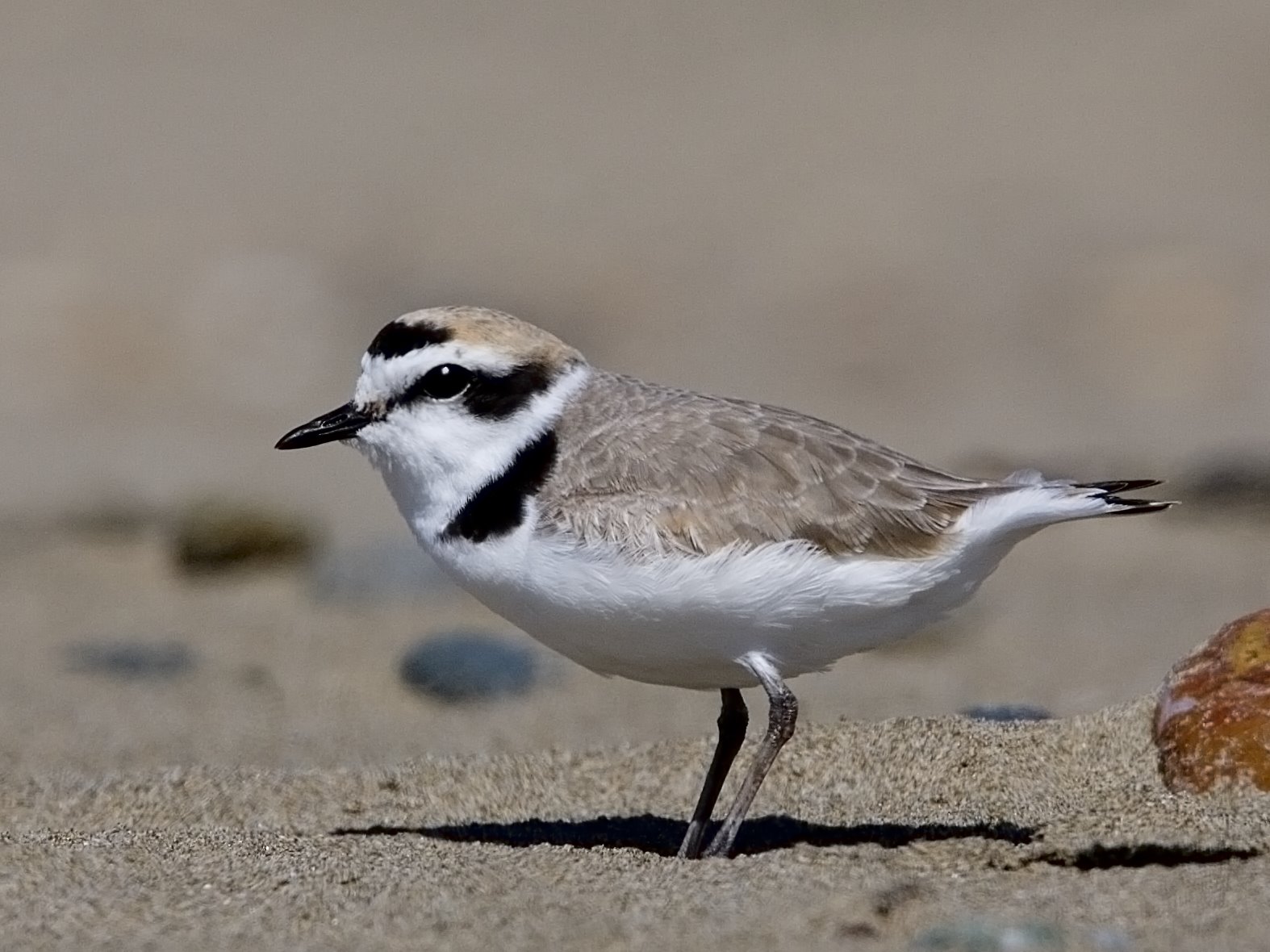
Charadriidae are good at finding food in the mud or sand! 🥳They mainly eat insects, worms, and small crustaceans. Many love to hunt for food by using their beaks to probe the ground or pick at the surface! 🐞For instance, the Kentish Plover uses its quick feet to catch tiny marine animals! When the tide goes out, they search the wet sand, looking for delicious snacks. Some plovers also have unique hunting behaviors, like running a few steps and stopping to look for their next meal! 🍽️ Yummy!
Go deeper💞 Reproductive Strategies
When it’s time to have babies, Charadriidae birds usually mate for just one season! 💞They perform special courtship dances to attract partners. Nests are built right on the ground, often hidden in grass or pebbles to protect them from predators. 🎵After laying about 3-4 eggs, both parents take turns sitting on them to keep them warm. Once the chicks hatch, they can walk and find food soon after! 🐣Family members will stay together for a while, and the parents teach the young how to search for food.
Go deeper🌎 Habitat And Distribution
These amazing birds can be found in many places all around the world! 🌎They like to live near open spaces, preferably around wetlands, rivers, and beaches. Plovers often make their nests in the sand, where it’s safe from bigger birds. ☀️ For example, the Pacific Golden-Plover migrates from Alaska all the way to Hawaii each year! 🐦✈️ Some species can adapt to both freshwater and marine environments. Charadriidae birds are often observed in groups, exploring their habitats for food. They are very flexible when it comes to where they call home!
Go deeper🥰 Interactions With Humans
Charadriidae birds are beloved by many people! 🥰Birdwatchers enjoy spotting them along coasts and lakes. They can be seen in parks and recreational areas, attracting attention with their playful nature. Some Native American cultures even consider certain plovers sacred. 🎉Unfortunately, humans can impact their habitats through pollution and development. That’s why it's important to respect these birds and their homes. Many conservation programs work to educate people on how to coexist with them. By enjoying their beauty without harming them, we all win! 🌈
Go deeper🎉 Physical Characteristics
Charadriidae birds have very special features! Most are small to medium-sized, measuring about 6 to 12 inches in length. 🎉They have short necks and long wings, which help them fly swiftly! Plovers often have a beautiful mixture of brown, white, and black feathers that provide excellent camouflage against sand! 🎨Their legs are short, which makes them great at running over sand or pebbles. Dotterels, for example, have a soft, rounded body. Their large eyes help them spot danger quickly, adding to their unique charm! 🌈
Go deeper🐤 Behavior And Social Structure
Most Charadriidae birds are social and often found in groups called flocks! 🐤These flocks help them stay safe from predators. They communicate with each other using specific calls and sounds. Some species, like the lapwing, are known for their dramatic aerial displays during courtship! 🎶They show off their beautiful colors to attract mates! They can also be quite protective of their nest—if they sense a threat, they will pretend to be injured to distract predators away from their young ones! This behavior is called “broken-wing display.” 🛡️
Go deeper