Cecum Facts For Kids
The cecum is a pouch within the abdomen that connects the small intestine to the large intestine, serving as the beginning of the large intestine!
Select reading age

Cecum Facts For Kids
Videos & Quizzesincluded
About this topic
The cecum is a special pouch located in our tummies! 🥳It's part of our large intestine, where food moves after it leaves the small intestine. The cecum is about 2 to 3 inches long and is shaped like a small bag. It connects the small intestine to the large intestine and helps in digesting food. You can find the cecum in the lower right part of your belly! 🌍Did you know? The cecum also plays a role in absorbing water and nutrients from the food we eat! Isn’t that neat? Let’s learn more about this important part of our body!
Explore with ChatDinoKey Points
The cecum is shaped like a pouch and has a small tube called the appendix hanging from it.
The cecum has some important jobs!
During digestion, the cecum is like a waiting room for food before it gets fully processed!
Sometimes the cecum can get sick, just like any part of our body.
Apart from storing food, the cecum helps absorb important nutrients!
Did you know our cecum is home to tiny microbes called gut flora?
Here are some cool facts about the cecum!
Sometimes, doctors need to do surgery on the cecum.
Scientists have been studying the cecum for a long time!
Different animals have different types of cecums!
Photos of Cecum

Superior ileocecal fossa. (Poirier and Charpy.)
![Inner diameters of different sections of the large intestine, with cecum (at bottom left) measuring on average 8.7 cm (range 8.0-10.5 cm).[4]](https://upload.wikimedia.org/wikipedia/commons/thumb/2/22/Diameters_of_the_large_intestine.svg/960px-Diameters_of_the_large_intestine.svg.png)
Inner diameters of different sections of the large intestine, with cecum (at bottom left) measuring on average 8.7 cm (range 8.0-10.5 cm).[4]
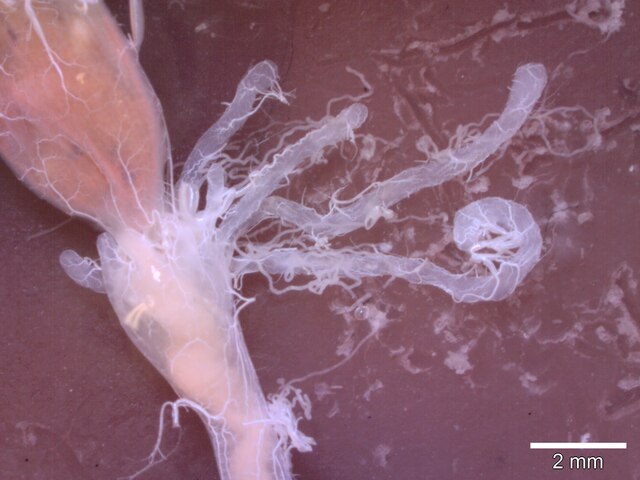
Gastric cecum of dissected cockroach. Scale bar, 2 mm.
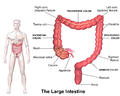
Cecum — photo 4

Cecum — photo 5


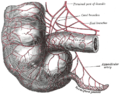
Arteries of cecum and vermiform process.
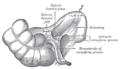
Inferior ileocecal fossa. The cecum and ascending colon have been drawn lateralward and downward, the ileum upward and backward, and the vermiform process downward. (Poirier and Charpy.)
🛡️ Anatomy Of The Cecum
The cecum is shaped like a pouch and has a small tube called the appendix hanging from it. The appendix is about 4 inches long, and even though it might seem like it doesn't do much, it has a role in the immune system! 🛡️ The cecum itself is located on the right side of your abdomen, below the belly button. It helps store food before it moves into the large intestine. There are special tissues in the cecum that help break down food, making it easier for our bodies to absorb nutrients. What a busy place to be!
Go deeper🥗 Function Of The Cecum
The cecum has some important jobs! When food reaches the cecum, it’s partly digested. Here, it collects leftover bits that the body can’t use. 🥗This part of our digestive system helps absorb water too, which is super important! The cecum keeps our bodies hydrated by pulling water out of food, turning it into useful nutrients, and sending the rest to the large intestine. By the time food travels through the cecum, it’s ready to move on for further digestion and waste removal. Quite a team player in our bodies!
Go deeper🌟 Cecum In Human Digestion
During digestion, the cecum is like a waiting room for food before it gets fully processed! 🌟Once food passes through the small intestine, it enters the cecum. Here, bacteria help break it down further so that our bodies can use the vitamins and minerals. The food stays in the cecum for a while, getting ready to join the large intestine. Once the food is fully broken down, the cecum sends it on to the colon, which continues the digestion process. Our cecum is a crucial stop in our body's journey!
Go deeper😟 Cecal Diseases And Disorders
Sometimes the cecum can get sick, just like any part of our body. One common condition is appendicitis, where the appendix becomes inflamed and sore. 😟This can cause severe belly pain and might need surgery. Another issue is cecal volvulus, which is when the cecum twists and can’t work properly. It can make someone feel very ill. Doctors can help with these problems. If you ever feel tummy aches, it’s important to talk to a grown-up and see a doctor. Taking care of our cecum is key to feeling good!
Go deeper🍎 Cecum And Nutrient Absorption
Apart from storing food, the cecum helps absorb important nutrients! 🍎For example, vitamins, minerals, and water are pulled from the foodhere. This absorption process allows our bodies to use these nutrients for energy, growth, and good health. Without the cecum, our body would struggle to get the nutrients it needs. This is why a healthy cecum is so important—it helps our bodies grow strong and feel good! Eating yummy foods helps keep our cecum working its best!
Go deeper🦠 Role Of The Cecum In Gut Flora
Did you know our cecum is home to tiny microbes called gut flora? 🦠These little helpers live inside our cecum and help us digest food! They break down fibers and help keep our digestive system healthy. There are trillions of these bacteria in our gut, and they play an important role in overall health! Good gut flora can help us feel happy, full of energy, and keep our immune systems strong. Eating a balanced diet with fruits, veggies, and probiotics can help keep our cecal buddies healthy!
Go deeper😲 Interesting Facts About The Cecum
Here are some cool facts about the cecum! 😲First, the word "cecum" comes from the Latin word for "blind," referring to its closed pouch shape. Second, some animals have a very large cecum, like the koala and rabbit! Last but not least, the appendix, which hangs from the cecum, is like a mystery organ—scientists are still studying it to understand all its secrets! The cecum may be small, but it has a big purpose in our digestive system, keeping us healthy and happy!
Go deeper✂️ Surgical Procedures Involving The Cecum
Sometimes, doctors need to do surgery on the cecum. One common procedure is an appendectomy, which removes the inflamed appendix. ✂️ This surgery is safe and often done when someone has appendicitis. Another procedure is a cecostomy, which helps patients with bowel problems. Surgeons work carefully to make sure everything in our digestive system works well again. Although surgery sounds scary, doctors are trained to help take care of our bodies. After surgery, it’s important to rest and heal!
Go deeper🕵️♂️ Historical Perspectives On Cecum Research
Scientists have been studying the cecum for a long time! 🕵️♂️ In the early 1800s, doctors began learning about how the cecum helped humans digest food. One famous doctor, William Beaumont, studied the digestive system by observing how food moved through the body. He accidentally discovered the role of the cecum in digestion. Research has shown the cecum can affect our health in many ways. Today, doctors and scientists continue to study it, helping us to understand more about how our bodies work!
Go deeper🐒 Comparative Anatomy: Cecum In Different Species
Different animals have different types of cecums! 🐒For example, herbivores like cows and rabbits have very large cecums to help break down plants. They need more time to digest tough plant materials. In contrast, carnivores like cats have a smaller cecum since meat is easier to digest. Some animals, like koalas, even have a cecum that is 30% of their total digestive system! It’s amazing how different species use their cecum to help them eat what they like best. Nature truly is incredible! 🌿
Go deeper