Caudata Facts For Kids
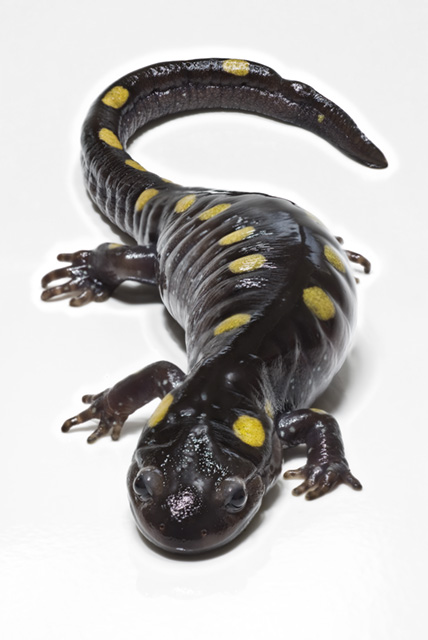
Salamanders are lizard-like amphibians with slender bodies, blunt snouts, short limbs, and tails that can live both on land and in water.
Select reading age
Caudata Facts For Kids
Videos & Quizzesincluded
About this topic
Caudata, or salamanders, are cool amphibians that look a bit like lizards but are actually very different! 🦎They have soft, moist skin and often come in bright colors like yellow, red, or blue. There are about 700 different types of salamanders, and they live all over the world, mostly in North America and Europe. 🌍Salamanders can regenerate lost body parts, which means if they lose a tail or a leg, they can grow it back! 🌱This makes them super special in the animal kingdom!
Explore with ChatDinoKey Points
Did you know that there are over 700 different species of salamanders worldwide?
Salamanders play a surprisingly important role in nature!
Unfortunately, salamanders face many challenges!
Many salamanders are at risk due to habitat loss, pollution, and climate change.
Salamanders are usually hungry little creatures!
Salamanders are found in many habitats, especially near water!
Salamanders have unique features that set them apart from other animals!
The life cycle of a salamander is pretty fascinating!
Here are some cool salamander facts!
Photos of Caudata

X-ray image of salamander

Sirens have an eel-like appearance.

Rough-skinned newt

The front part of the olm's head carries sensitive chemo-, mechano-, and electroreceptors.

Biofluorescence can be observed across various salamander species

Salamanders need moist environments to respire through their skin.

A dissected view of the levatores arcuum muscles in a Necturus maculosus specimen. These (shown in the purple circles) move the external gills, as a means of respiration.

The head of a tiger salamander

A fire salamander's striking black and yellow pattern warns off predators
🌈 Species Diversity
Did you know that there are over 700 different species of salamanders worldwide? 🌈They vary greatly in size, color, and shape! Some of the smallest, like the Eastern Slimy Salamander, can be as tiny as 3 inches! 🐸Meanwhile, the Giant Salamander of China can grow up to 5 feet long! 🌊Salamanders are divided into families, such as the Plethodontidae family, which includes lungless salamanders. Each species is special and has unique traits, making the Salamander family incredibly diverse!
Go deeper🦋 Role In Ecosystems
Salamanders play a surprisingly important role in nature! 🦋They help keep insect populations under control, which is essential for healthy ecosystems. By feeding on pests, they contribute to the balance of their environment. Salamanders are also prey for animals like birds, snakes, and even raccoons! 🦝This makes them a vital link in the food chain. Additionally, their presence in an ecosystem is a sign that the environment is healthy, as they are sensitive to pollution and changes in their habitat!
Go deeper🚫 Threats To Caudata
Unfortunately, salamanders face many challenges! 🚫Pollution from cities can poison their habitats, and climate change can bring about temperature changes that are harmful. Invasive species, like certain fish and frogs, can outcompete salamanders for food and space. Also, habitat destruction, caused by logging and construction, leaves salamanders without homes. 🏢It’s important to educate ourselves and protect their environments to help them flourish!
Go deeper🌍 Conservation Status
Many salamanders are at risk due to habitat loss, pollution, and climate change. 🌍Some species, like the Red Hills Salamander, are endangered. Protecting these creatures is essential because they help keep ecosystems healthy! Organizations such as the International Union for Conservation of Nature (IUCN) keep track of these animals' statuses and work to ensure their survival. By protecting wetlands and their surrounding areas, we can help salamanders thrive!
Go deeper🐛 Diet And Feeding Habits
Salamanders are usually hungry little creatures! 🐛They mainly eat insects like bugs, spiders, and worms—yum! They have special tongues that can stretch out to catch their prey! 😋Some larger species may even eat small fish or other amphibians. Salamanders are nocturnal, which means they prefer to hunt at night when they're less likely to be seen. They don't chew their food; instead, they swallow it whole! They play a vital role in keeping their ecosystems balanced by controlling insect populations. 🌟
Go deeper🌧️ Habitat And Distribution
Salamanders are found in many habitats, especially near water! 🌧️ They love moist environments like forests, swamps, and streams. In the United States, the Appalachian Mountains are home to many species. 🌄Other places, like Europe, have their own local salamanders, such as the Fire Salamander, which loves the wet woodlands! 🌳Salamanders can sometimes be found under logs or leaves. To thrive, they need a balance of water and land, showcasing just how versatile and adaptable they can be!
Go deeper🏊♂️ Characteristics Of Caudata
Salamanders have unique features that set them apart from other animals! They usually have long, slender bodies, short legs, and a tail that helps them swim. 🏊♂️ Their skin is smooth and often filled with tiny glands that keep them moist. They can be found in a variety of colors and patterns, which help them blend in with their surroundings. Some common types include the Eastern Red-Backed Salamander and the Axolotl, which can grow back limbs! 🌈Salamanders don't have scales like reptiles and instead breathe through their skin and lungs!
Go deeper💚 Life Cycle And Reproduction
The life cycle of a salamander is pretty fascinating! 💚They start as eggs laid in water, which hatch into tiny larvae called "tadpoles." These little guys have gills to breathe underwater. As they grow, they undergo metamorphosis and change into adult salamanders, developing lungs for breathing air! 🌬️ This process can take a few weeks to several years, depending on the species. Salamanders often have an interesting mating dance! During this time, the female lays eggs, and the male helps protect them until they hatch.
Go deeper🎉 Interesting Facts About Caudata
Here are some cool salamander facts! 🎉Did you know that an Axolotl can regrow its heart, brain, and even parts of its eyes? Also, some salamanders can live for over 20 years! 🌟Many salamanders can change color based on their environment! They can also produce toxins to protect themselves from predators. Some species even have the ability to breathe through their skin. Finally, some salamanders are so small they can sit on a quarter! 🪙Isn't that amazing? Salamanders are simple yet incredibly unique animals!
Go deeper