Cardiopulmonary Resuscitation Facts For Kids
Cardiopulmonary resuscitation (CPR) is a lifesaving technique combining chest compressions and artificial ventilation to help someone whose heart has stopped beating or who isn't breathing.
Select reading age

Cardiopulmonary Resuscitation Facts For Kids
Videos & Quizzesincluded
About this topic
Cardiopulmonary Resuscitation, or CPR, is a lifesaving technique! 🚑It helps people who have stopped breathing or whose heart isn't beating. CPR can keep blood flowing and oxygen reaching the brain. If someone passes out, it's important to act fast! A person may need CPR if they have a heart attack, drown, or get a serious injury. Did you know that over 350,000 people in the U.S. have cardiac arrest outside of hospitals every year? CPR can double, or even triple, the chances of survival! Remember, learning CPR can make you a real-life superhero! 🦸♂️
Explore with ChatDinoKey Points
CPR has a fascinating history!
Learning CPR is super important!
There are many myths about CPR!
Let's learn how to help adults!
Learning and getting certified in CPR is easy and fun!
CPR for kids and babies is a bit different!
If someone receives CPR and comes back to life, they still need special care!
Good Samaritan Laws help protect people who help in emergencies.
An Automated External Defibrillator, or AED, is a life-saving device!
Sometimes, CPR is needed in special situations, like drowning.
Photos of Cardiopulmonary Resuscitation

CPR training: CPR is being administered while a second rescuer prepares for defibrillation.

Chest compressions performed at 100 per minute (proper rhythm)

Mouth-to-mouth ventilations (mouth-to-mouth rescue breaths)

CPR technique as demonstrated on a dummy

Supine and prone positions

A briefcase with a public defibrillator, at a station. Its universal symbol appears above.

Automated defibrillator (AED)
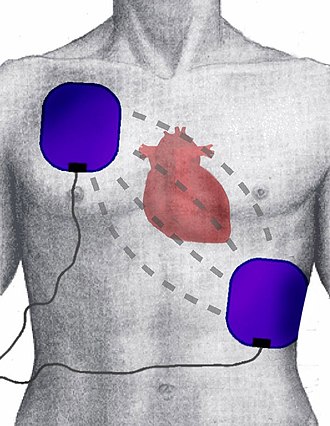
Defibrillation: position of the electrodes of a defibrillator on the human body

Cardiopulmonary Resuscitation — photo 9
🌍 History Of Cpr
CPR has a fascinating history! It began in the late 1700s when doctors started using artificial breathing. In 1960, Dr. Peter Safar, an amazing doctor, developed modern CPR. He wanted everyone to know how to help others in emergencies. By the 1970s, organizations like the American Heart Association began teaching CPR to the public. 🌍In 2005, a very important step was taken to make CPR easier to learn. They made "hands-only CPR" which teaches people to do chest compressions without mouth-to-mouth breathing! Today, learning CPR is taught in schools around the world. 📚
Go deeper💖 The Importance Of Cpr
Learning CPR is super important! 💖When someone has a heart attack or stops breathing, every second counts. CPR helps keep blood flowing to the brain and heart. It can double or even triple the chances of survival! 📈This means that if you know CPR, you might save a life one day. Imagine being a hero and helping someone in trouble! Also, when you call for emergency help (like dialing 911), starting CPR while waiting for them can make a HUGE difference. Remember, being prepared and knowing how to help is vital! 🦸♀️
Go deeper💭 Common Myths About Cpr
There are many myths about CPR! One big myth is that you should only do it if you’re trained. 💭But the truth is that doing CPR—even if you’re unsure—can help save a life! Another myth is that mouth-to-mouth is always needed. Hands-only CPR works great for adults if you don’t feel comfortable doing rescue breaths! 🚫💋 Also, many think it's easy to hurt someone while doing CPR. In reality, it's better to try and accidentally hurt someone than to do nothing and have them stay in trouble. Remember, your efforts could be their best hope! ❤️
Go deeper✅ Cpr Techniques For Adults
Let's learn how to help adults! First, make sure the area is safe. ✅Call for help (like 911). Check if the person is awake by gently shaking their shoulders. If they don’t wake up and aren’t breathing, start CPR! Push hard and fast in the center of the chest, about 2 inches deep. 🫀You should aim for 100-120 compressions per minute—that’s like to the beat of "Stayin’ Alive" by the Bee Gees! After every 30 compressions, give 2 rescue breaths if you know how. Keep going until help arrives! You're doing something amazing! 🌟
Go deeper🏅 Training And Certification For Cpr
Learning and getting certified in CPR is easy and fun! 🏅Many places offer classes, like schools, hospitals, and community organizations. In these classes, friendly teachers will show you everything step by step! You can even learn about using an AED. Once you finish, you might get a special certificate. 🎓It could say you are officially a CPR hero! Many organizations encourage everyone, including kids, to learn CPR. So, what are you waiting for? Ask your parents if you can join a class, and get ready to become a lifesaver!
Go deeper🍼 Cpr Techniques For Children And Infants
CPR for kids and babies is a bit different! When helping children, notice their age first! For children (ages 1-8 years), use one hand for chest presses. Press down about 1-1.5 inches deep. For babies (under 1 year), use two fingers to push down about half an inch. 🍼After 30 compressions, give 2 small breaths by sealing your lips around their mouth and nose gently. Breathe just enough to see their chest rise! Always make sure to call for help as you start! Remember, you are a hero saving lives! 💪❤️
Go deeper🌟 Aftercare Following Successful Resuscitation
If someone receives CPR and comes back to life, they still need special care! 🌟Emergency professionals will help by checking for any health issues or injuries. It's important that the person rests and stays calm. They may need to be taken to the hospital for more help. During this time, it’s good to talk to them quietly and let them know they’re safe! If you see this happen, remember it’s a happy ending. Be proud of yourself for knowing CPR! You're a helper and can go on to inspire others to learn, too! 🌈
Go deeper🤝 Legal Considerations And Good Samaritan Laws
Good Samaritan Laws help protect people who help in emergencies. 🤝These laws say that if you try to save someone’s life, you won’t get in trouble, even if things don’t go as planned! If you give CPR and something goes wrong, you’re covered as long as you were trying to help. It’s important to act in good faith and not put the person at more risk. Knowing this makes it easier to step up during a tough situation. Just remember, whenever you help someone, you’re being a Good Samaritan! 🌈
Go deeper🏥 Using An Automated External Defibrillator (aed)
An Automated External Defibrillator, or AED, is a life-saving device! 🏥It helps restart a heart that's not beating. If you see someone collapse and you need to use an AED, it’s super easy! First, call for emergency help (911). Then grab the AED! Open it up and listen closely to the voice instructions. Place the pads on the person's bare chest as shown on the AED. Don’t touch the person when it gives a shock! ⚡The AED will help the heart start beating again. Together, CPR and AED can save lives!
Go deeper🌊 Cpr In Special Situations (e.g., Drowning, Overdose)
Sometimes, CPR is needed in special situations, like drowning. 🌊If someone is underwater for too long, they may need CPR even if they are unconscious. Get them out of the water, call for help (like 911), and then start CPR. But if you suspect an overdose from drugs, always call for help first! This way, professionals can handle it! 🚑Remember, every situation is different, but you can help save lives by using CPR skills. Always stay calm and remember your training to act fast. You can be the difference! 💪❤️
Go deeper