Cape Petrel Facts For Kids
The Cape petrel is a medium-sized seabird known for its striking coloration and strong flying abilities, commonly found in the Southern Ocean.
Select reading age

Cape Petrel Facts For Kids
Videos & Quizzesincluded
About this topic
The Cape Petrel, also known as the Cape Hen or Dovekie, is a lovely bird 🐦 that lives in the Southern Ocean. These birds have a unique black-and-white coloring that helps them blend in with the ocean waves! They are about 30-40 cm (12-16 inches) long, a bit bigger than a crow. Their scientific name is *Daption capense*. Cape Petrels are excellent fliers and can glide for long distances. They love to be around ice, snow, and cold waters, making them great swimmers! You can find them in places like Antarctica, South Georgia, and the Falkland Islands. 🌊
Explore with ChatDinoKey Points
Cape Petrels are amazing at finding food in the ocean!
1.
Cape Petrels are currently listed as Least Concern by the IUCN.
Cape Petrels have been important to sailors and explorers for many years.
Cape Petrels love cold and windy places!
Cape Petrels have strong wings and a short, thick body that makes them fantastic at flying over the ocean.
Cape Petrels are loving parents!
Cape Petrels are social birds 🦩 that enjoy living in large groups called colonies.
Photos of Cape Petrel

Cape Petrel — photo 1

Cape Petrel — photo 2

Cape Petrel — photo 3
Cape Petrel — photo 4
Cape Petrel — photo 5

Cape Petrel — photo 6

Cape Petrel — photo 7
🦐 Feeding And Diet
Cape Petrels are amazing at finding food in the ocean! They eat fish, squid, and krill, which are tiny shrimp-like creatures. 🦐They use their sharp beaks to catch their meals while gliding over the water. Cape Petrels are scavengers, which means they also feast on dead fish and carcasses that float in the ocean. They are often spotted flying closely behind ships, searching for food that might fall overboard! Sometimes, they may even follow whales, hoping for a tasty snack. Their diet is crucial for keeping their strong bodies energized for flying long distances! 🌅
Go deeper🎶 Interesting Facts
1. Cape Petrels can recognize each other by their unique calls! 🎶
2. They can fly for hours without flapping their wings, thanks to their amazing gliding skills. 🌬️
3. These birds have a special "salt gland" that helps them excrete sea salt from their bodies! 🧂
4. Cape Petrels can weigh between 0.7-1.1 kg (1.5-2.4 lbs).
5. They are known to participate in “kite chasing,” where they fly alongside each other, showing off their skills! 🕊️
Go deeper2. They can fly for hours without flapping their wings, thanks to their amazing gliding skills. 🌬️
3. These birds have a special "salt gland" that helps them excrete sea salt from their bodies! 🧂
4. Cape Petrels can weigh between 0.7-1.1 kg (1.5-2.4 lbs).
5. They are known to participate in “kite chasing,” where they fly alongside each other, showing off their skills! 🕊️
🌍 Conservation Status
Cape Petrels are currently listed as Least Concern by the IUCN. This means they are not in immediate danger of extinction. However, they still face some threats. 🌍Climate change is affecting their cold habitats, while fishing practices can reduce their food sources. They can also be impacted by pollution in the ocean. It’s important to protect their natural environment to ensure that Cape Petrels continue to thrive! Organizations are working hard to help these birds and their homes, which is great news for all wildlife lovers! ❤️
Go deeper⚓ Cultural Significance
Cape Petrels have been important to sailors and explorers for many years. ⚓They are often mentioned in stories of voyages to the Antarctic regions. The bird's name, "Cape Hen," comes from Cape Horn, which many ships pass on their journeys. In some cultures, they are believed to be good luck for sailors, as they follow ships searching for food. The Cape Petrel also symbolizes the beauty of the marine environment and serves as a reminder of the importance of protecting our oceans and wildlife. Educating others about these birds helps keep their story alive! 🌏
Go deeper❄️ Habitat And Distribution
Cape Petrels love cold and windy places! ❄️ They usually live in the Southern Hemisphere, especially around Antarctica and sub-Antarctic islands like South Georgia and the Falklands. They are known to nest on cliffs and rocky shores, where they can safely raise their chicks. During winter, these birds travel far to look for food, sometimes going as far north as Brazil! Cape Petrels are migratory, which means they move to different places depending on the season. They enjoy high latitudes, around 60° South, which is quite chilly! 🌬️
Go deeper🐟 Physical Characteristics
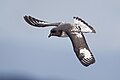
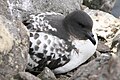
Cape Petrels have strong wings and a short, thick body that makes them fantastic at flying over the ocean. They have a beautiful black, white, and grey plumage which helps them stay hidden from predators. Their wings are long and pointed, measuring about 70-80 cm (28-31 inches) across! They have a short bill that is perfect for catching small fish 🐟 and other ocean creatures. These birds also have a large, webbed feet that help them swim brilliantly in the water. Cape Petrels are very similar in appearance to other petrel species, but their fun colors make them special. 🌈
Go deeper📅 Reproduction And Lifespan
Cape Petrels are loving parents! They usually lay one egg each year, which they take turns incubating for around 50 days. 📅The chicks are born covered in soft down feathers and are gray and white. They grow quickly and start to learn how to fly after about two months. Cape Petrels can live for a long time; they might survive for over 30 years in the wild! 👍Once the chicks grow up, they are taught how to hunt and find food by their parents. This helps them become independent and ready for life in the ocean. 🌊
Go deeper🦩 Behavior And Social Structure
Cape Petrels are social birds 🦩 that enjoy living in large groups called colonies. These colonies can have thousands of them, especially during breeding season! They communicate with each other through whistles and cooing sounds. While they are great companions with other Cape Petrels, they can also show aggressive behaviors when protecting their nest. Cape Petrels are known for their spectacular flying techniques; they can soar above the waves and dart back and forth in mid-air. Watching them fly is truly a breathtaking experience! 🕊️
Go deeper