Canis Aureus Facts For Kids
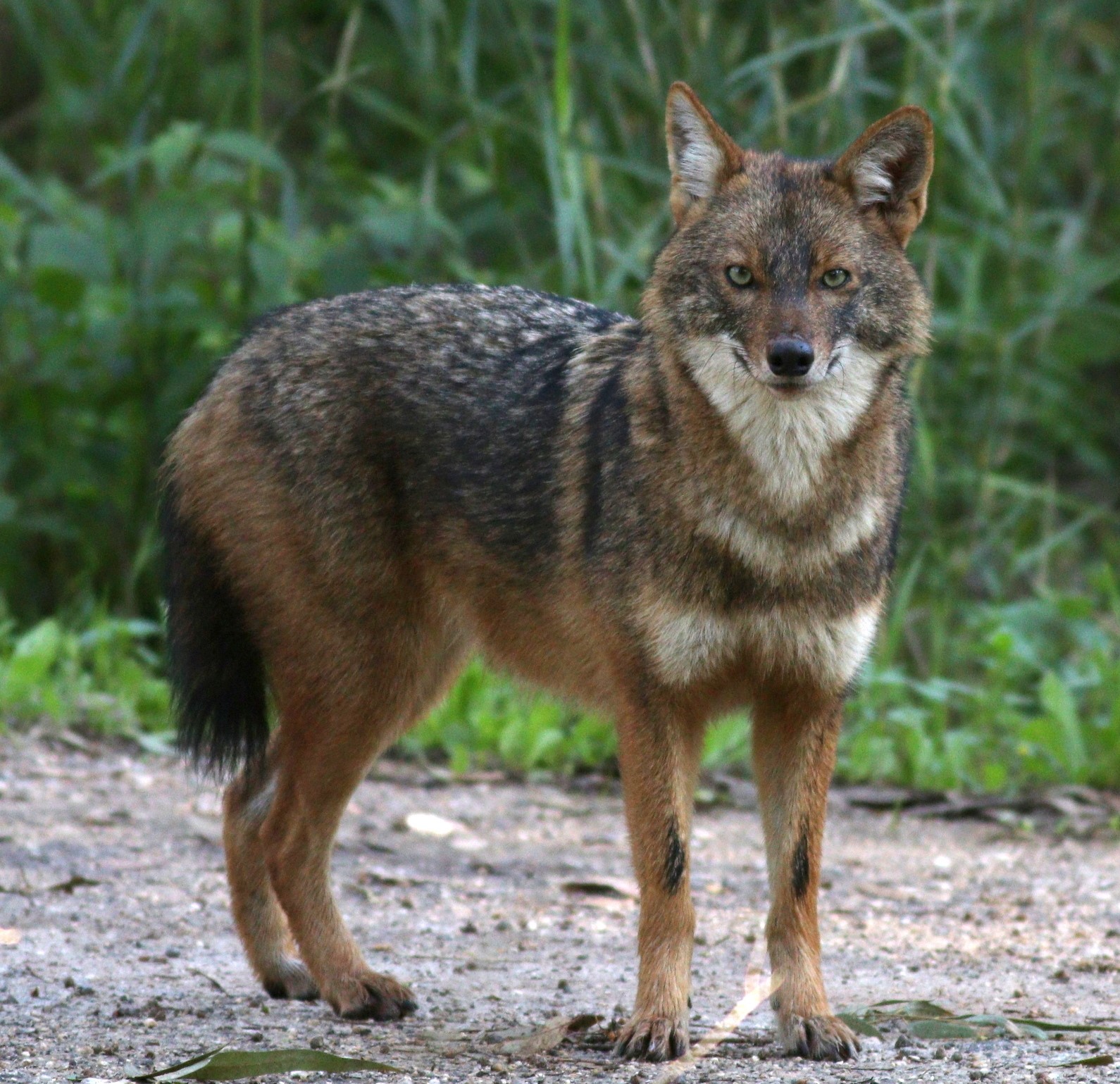
Canis aureus, or the golden jackal, is a wolf-like canid from Eurasia known for its adaptable nature and beautiful golden-brown fur.
Select reading age
Canis Aureus Facts For Kids
Videos & Quizzesincluded
About this topic
The golden jackal, known as Canis aureus, is a fascinating animal that looks like a small wolf! 🐺They are found in parts of Eurasia, which includes regions like Europe, Asia, and Africa. Golden jackals have golden-brown fur, which helps them blend into their surroundings. They are known for their cleverness and adaptability. 🌍Just like dogs, they are part of the canid family, which also includes wolves and foxes. Golden jackals are clever hunters and scavengers, often working together to find food!
Explore with ChatDinoKey Points
Did you know golden jackals can run fast?
As of now, golden jackals are considered Least Concern by the International Union for Conservation of Nature (IUCN).
In many cultures, golden jackals hold a special place.
Golden jackals are very adaptable and can live in different habitats!
Golden jackals are medium-sized canids, measuring about 20 to 26 inches (50 to 65 cm) tall at the shoulder.
Golden jackals are omnivores, which means they eat plants and animals!
Golden jackals typically mate in the winter and give birth in the spring!
The golden jackal belongs to the Canidae family, which includes wolves, foxes, and domestic dogs.
Golden jackals are often seen as a nuisance by farmers because they can hunt livestock, which can cause problems.
Golden jackals are social animals that often live in family groups.
Photos of Canis Aureus

Canis Aureus — photo 1

Canis Aureus — photo 2

Canis Aureus — photo 3

Canis Aureus — photo 4

Canis Aureus — photo 5

Canis Aureus — photo 6

Golden jackal profile

Lateral and dorsal aspects of skull

Syrian jackal (C. a. syriacus) hunting in reeds
🏃 Interesting Facts
Did you know golden jackals can run fast? 🏃They can reach speeds up to 30 miles per hour (48 km/h) when chasing their prey! They are also great diggers. 🕳️ Their strong paws help them dig for food or create dens. Golden jackals are known for their “singing” behavior, where they join in howl with their pack! 🎶Each jackal has a unique call, making it easy for their family to recognize each other in the wild!
Go deeper👍 Conservation Status
As of now, golden jackals are considered Least Concern by the International Union for Conservation of Nature (IUCN). 👍This means they are not endangered and their numbers remain stable! However, habitat loss and hunting can threaten some populations. 🏹Conservation efforts are important to ensure their survival, especially in areas where they face dangers. Protecting their habitats helps ensure these amazing animals continue to thrive in the wild!
Go deeper🌟 Cultural Significance
In many cultures, golden jackals hold a special place. 🌟In ancient Egypt, they were associated with Anubis, the god of the underworld, who had a jackal head. In Indian folklore, they appear in fables and stories, representing cleverness and adaptability. 📜Different communities learn how to appreciate these animals and recognize their role in nature, teaching respect for these fascinating creatures!
Go deeper🏞️ Habitat And Distribution
Golden jackals are very adaptable and can live in different habitats! 🏞️ You can find them in forests, grasslands, and even urban areas. They are found in countries like India, Greece, and Egypt. They prefer open landscapes where they can easily spot their prey. 🌿In Europe, golden jackals are spreading north as their populations grow. They thrive in areas with plenty of food and shelter, which helps them stay safe and healthy!
Go deeper🐾 Physical Characteristics
Golden jackals are medium-sized canids, measuring about 20 to 26 inches (50 to 65 cm) tall at the shoulder. 🐾They weigh between 15 to 33 pounds (7 to 15 kg). Their fur is mostly golden, but it can also be tan or greyish. They have long legs and a bushy tail. Their sharp senses help them hunt, with excellent hearing and a keen nose to smell food from afar. 👃Their eyes are bright and can see in the dark, making them great nocturnal hunters!
Go deeper🍖 Diet And Foraging Behavior
Golden jackals are omnivores, which means they eat plants and animals! 🍖They hunt for small mammals like rabbits and rodents, but they also enjoy fruits and insects. 🥕Golden jackals usually hunt at dusk or dawn, often in pairs or small groups to catch their prey more easily. They are clever scavengers, too! If they find remains of larger animals, they will eat those leftovers. This helps them survive in different environments where food might be scarce.
Go deeper💕 Reproduction And Life Cycle
Golden jackals typically mate in the winter and give birth in the spring! 💕A mother jackal usually has 3 to 7 pups at a time. These pups are born blind and helpless but grow quickly, learning to explore and hunt from their parents. 🌼The family stays together for several months, with both parents helping to raise the pups. Once the pups are old enough, they start joining their parents on hunts, learning the ways of the wild!
Go deeper🐕 Taxonomy And Classification
The golden jackal belongs to the Canidae family, which includes wolves, foxes, and domestic dogs. 🐕Their scientific name is Canis aureus. This species is classified into different subspecies based on their location. Some common subspecies include the Indian jackal and the African jackal. 🦊They have a close relationship with wolves as well, sharing a common ancestor. Because of their classifications, scientists study them to learn more about biodiversity and how animals adapt to their environments!
Go deeper🚜 Human Interaction And Impact
Golden jackals are often seen as a nuisance by farmers because they can hunt livestock, which can cause problems. 🚜However, they can also help control rodent populations. 🐭In some places, people learn to coexist with these animals by taking protection measures. Education about golden jackals is essential, so everyone understands their role in the ecosystem and how to protect them!
Go deeper🐶 Social Structure And Behavior
Golden jackals are social animals that often live in family groups. 🐶They work together to find food and protect their young. Communication is important; they use barks, howls, and body language to talk to one another. When hunting, they can coordinate their actions to catch prey more effectively. 📢Their strong bond helps them support each other in finding food and raising their pups. Sometimes they even play together, showing their fun side!
Go deeper