Cambodian Genocide Facts For Kids
The Cambodian genocide was a mass extermination that occurred under the Khmer Rouge regime, characterized by widespread violence, forced labor, and starvation, leading to the deaths of millions.
Select reading age

Cambodian Genocide Facts For Kids
Videos & Quizzesincluded
About this topic
The Cambodian Genocide was a terrible event in history that happened from 1975 to 1979. During this time, a group called the Khmer Rouge, led by a man named Pol Pot, took control of Cambodia. They wanted to create a communist society, but their methods were very violent. 🌍Many people—about 1.7 million—lost their lives due to starvation, work, and violence. Families were separated, and many people were taken away from their homes. The genocide left a huge mark on Cambodia, affecting the lives of many even today. 😢
Explore with ChatDinoKey Points
Pol Pot is the most famous leader associated with the Cambodian Genocide.
- 1970: Civil war starts; Lon Nol government takes power. - 1975: Khmer Rouge capture Phnom Penh, the capital. - 1975-1979: The Genocide occurs; many people are killed or forced to work. - January 7, 1979: Vietnamese troops invade Cambodia and end Khmer Rouge rule. - 1998: Pol Pot dies in hiding. - 2001: Trials for surviving Khmer Rouge leaders begin to seek justice.
The Cambodian Genocide teaches us important lessons about tolerance and understanding.
Before the genocide, Cambodia was in turmoil.
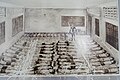
Cambodia honors the victims of the genocide through memorials such as the Tuol Sleng Genocide Museum and the Killing Fields.
Many survivors of the Cambodian Genocide have shared their stories.
The international community reacted slowly to the Cambodian Genocide.
The Cambodian Genocide had a lasting impact on the society in Cambodia.
Researchers continue to study the Cambodian Genocide to understand how such events happen and how to prevent them in the future.
Photos of Cambodian Genocide

Pol Pot in 1978

Mao Zedong, Peng Zhen, Norodom Sihanouk and Liu Shaoqi (1965)

Cambodian Genocide — photo 3

Rooms of the Tuol Sleng Genocide Museum contain thousands of photos taken by the Khmer Rouge of their victims

A Chankiri Tree. The sign reads "Chankiri Tree against which executioners beat children"

Cambodian Genocide — photo 6

Cambodian Genocide — photo 7

Cambodian Genocide — photo 8
Cambodian Genocide — photo 9
🧑🌾 Key Figures
Pol Pot is the most famous leader associated with the Cambodian Genocide. 🧑🌾 He was born in 1925 and studied in France, where he learned about communism. Leaders like Nuon Chea and Ieng Sary helped him run the Khmer Rouge. Many people resisted their rule, but they were silenced. 📜After the genocide ended, Pol Pot went into hiding. In 1997, he died without facing justice. Today, in Cambodia, people remember the victims and work to ensure such events never happen again. 🕯️
Go deeper⚖️ Events Timeline
- 1970: Civil war starts; Lon Nol government takes power.
- 1975: Khmer Rouge capture Phnom Penh, the capital.
- 1975-1979: The Genocide occurs; many people are killed or forced to work.
- January 7, 1979: Vietnamese troops invade Cambodia and end Khmer Rouge rule.
- 1998: Pol Pot dies in hiding.
- 2001: Trials for surviving Khmer Rouge leaders begin to seek justice. ⚖️
This timeline shows how quickly events unfolded and the significant changes in Cambodia during this time.
Go deeper- 1975: Khmer Rouge capture Phnom Penh, the capital.
- 1975-1979: The Genocide occurs; many people are killed or forced to work.
- January 7, 1979: Vietnamese troops invade Cambodia and end Khmer Rouge rule.
- 1998: Pol Pot dies in hiding.
- 2001: Trials for surviving Khmer Rouge leaders begin to seek justice. ⚖️
This timeline shows how quickly events unfolded and the significant changes in Cambodia during this time.
🤝 Lessons Learned
The Cambodian Genocide teaches us important lessons about tolerance and understanding. 🤝It reminds us that everyone deserves respect, regardless of their beliefs. Schools all over the world now include lessons about genocides to educate students about the past. Learning about empathy and standing up against bullying helps kids grow into caring adults. 🌈We should always remember the importance of peace and the value of human life, so tragedies like this never happen again.
Go deeper💡 Historical Context
Before the genocide, Cambodia was in turmoil. The country faced a civil war, which made many people unhappy and afraid. In 1970, a government change led to more fighting. The Khmer Rouge took power on April 17, 1975. 🇰🇭 This group wanted to turn Cambodia into an agricultural paradise, so they forced people to leave cities and work on farms. They targeted teachers, doctors, and anyone they considered "enemies." The general atmosphere was filled with fear, and many lived in hiding or left the country.
Go deeper🏞️ Legacy And Memorials
Cambodia honors the victims of the genocide through memorials such as the Tuol Sleng Genocide Museum and the Killing Fields. 🏞️ These places educate visitors about the past and highlight the lives lost. Each year on April 17, Cambodia remembers the Day of the Victims of the Genocide, filled with moments of silence and remembrance. 🌹Schools and community groups also hold events to raise awareness. The legacy of this dark time encourages future generations to cherish peace and human rights.
Go deeper🗣️ Survivor Testimonies
Many survivors of the Cambodian Genocide have shared their stories. One such survivor is Chum Mey, who was tortured but lived to tell his tale. 🗣️ He wants the world to know what happened so that it doesn't happen again. Other survivors talk about their lost friends and family, and how difficult it is to rebuild their lives. Sharing stories helps keep memories alive and teaches others the importance of kindness and understanding. 🕊️ Survivors show us that even in dark times, hope can shine through. 🌟
Go deeper🏛️ International Response
The international community reacted slowly to the Cambodian Genocide. 🏛️ Many countries were unaware of how terrible things were until later. After the genocide ended in 1979, there was a global outcry, but it took years for justice to be pursued. In 2006, an international tribunal was established to hold those responsible accountable. 🌐Countries like the United States and France eventually helped Cambodia rebuild. Learning about the genocide reminds us all to stand against violence and protect human rights worldwide. ✊
Go deeper📉 Impact On Cambodian Society
The Cambodian Genocide had a lasting impact on the society in Cambodia. Families were torn apart, and many villages lost their leaders and skilled workers. 📉Education suffered greatly; schools were closed, and teachers were killed. Today, many people in Cambodia still feel the effects of this tragedy. They work hard to remember those who were lost and rebuild their lives. As a result, stories of bravery and survival are shared, teaching new generations never to forget the past. 💔🇰🇭
Go deeper📚 Ongoing Research And Awareness
Researchers continue to study the Cambodian Genocide to understand how such events happen and how to prevent them in the future. 📚Organizations work to keep the stories of survivors alive through interviews and books. Schools around the world also teach lessons on human rights to ensure students know the importance of standing against violence. 🌏This ongoing effort helps to raise awareness so that we can all work together toward a peaceful, caring world.
Go deeper