Bromus Facts For Kids
Bromus is a large genus of grasses classified in the Bromeae tribe within the Poaceae family, known for its resilience and ecological importance.
Select reading age
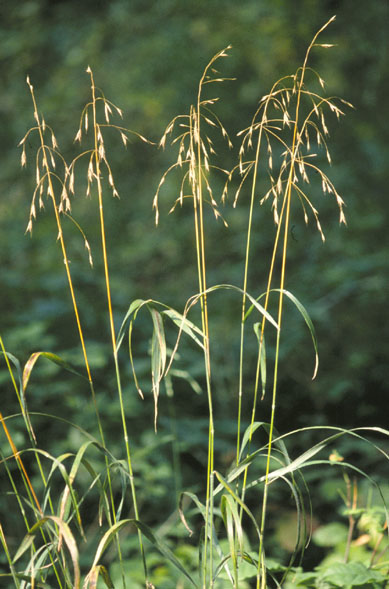
Bromus Facts For Kids
Videos & Quizzesincluded
About this topic
Bromus is a type of grass 🌱 that belongs to a special group called Bromeae. There are over 100 species of Bromus found in different parts of the world! Most of them are native to places like North America, Europe, and Asia. These grasses can grow pretty tall, some reaching up to 4 feet! 🌾People see Bromus in fields, meadows, and even along roadsides. They play an important role in nature by providing food and homes for many animals. If you ever walk through a grassy area, you might just spot some Bromus! 👀
Explore with ChatDinoKey Points
Surprisingly, Bromus grass seeds can be edible!
There are over 100 different species of Bromus!
Farmers often grow Bromus grasses for several reasons!
Bromus grasses have some interesting medicinal properties!
Bromus grasses are super important for the environment!
Bromus grasses love to grow in sunny places 🌞!
Bromus grasses have long, slender stems that can be straight or slightly bent.
Some types of Bromus can be invasive, which means they take over other plants and disrupt local ecosystems!
Bromus can be grown quite easily!
Bromus is classified in the family Poaceae, which is also known as the grass family.
Photos of Bromus
Bromus — photo 1

Bromus — photo 2

Bromus — photo 3

Bromus — photo 4

Bromus — photo 5
🍽️ Culinary Uses
Surprisingly, Bromus grass seeds can be edible! Some people use them in cooking, making them a fun ingredient for certain dishes! 🍽️ The seeds can be ground into flour and used for baking, adding a unique flavor. 🌾Some cultures have traditionally used Bromus seeds to make porridge or cereal. While not common in modern cooking, these seeds can provide healthy nutrients! 🥣Always remember to check with an adult before trying new foods!
Go deeper🌿 Species Diversity
There are over 100 different species of Bromus! 🌿Each has its unique characteristics and habitats. Some common ones include Bromus tectorum (cheatgrass), Bromus carinatus (California brome), and Bromus hordeaceus (soft brome). 🌱The diversity in this genus means you can find different shapes, sizes, and colors of these grasses in nature! This variety supports a wide range of animal species by providing them with different types of food and shelter. 🌼Isn’t it amazing how many types of grass exist?
Go deeper🌾 Uses In Agriculture
Farmers often grow Bromus grasses for several reasons! 🌾They are great for soil health and can help keep the ground rich in nutrients. Some species are used as cover crops, which protect soil during the off-season. 🌱Farmers might also use Bromus for animal feed; the grass is nutritious and tasty for livestock. 🐄Moreover, Bromus helps control weeds and reduces the need for chemicals in farming! They play a crucial role in sustainable agriculture, promoting healthy crops and environments!
Go deeper🌿 Medicinal Properties
Bromus grasses have some interesting medicinal properties! 🌿Some people believe that Bromus can help with digestion and may act as a mild calmative. 💤There are also traditional uses in herbal remedies for various ailments. However, it’s important to remember that not all plants are safe for everyone! Always ask a doctor or an adult before using any grass for medicinal purposes. 🌍So, while Bromus is primarily known as a grass, it also has fascinating roles in nature and possibly even in health! 🌱
Go deeper🌿 Ecological Importance
Bromus grasses are super important for the environment! 🌿They provide food for many animals, including deer, rabbits, and birds. 🦉The seeds are a tasty snack for small creatures, while the leaves are great for grazing animals. Bromus also helps prevent soil erosion, meaning it keeps the ground stable and protects it from washing away in rainstorms. 🌧️ This means that they contribute to healthy ecosystems by promoting biodiversity, which is essential for life on Earth. 🌎
Go deeper🌞 Habitat And Distribution
Bromus grasses love to grow in sunny places 🌞! You’ll mostly find them in North America, especially in the western U.S., Canada, and Mexico. They thrive in grasslands, mountains, and even disturbed areas like roadsides. 🌄In Europe, Bromus is common in fields and meadows too. Some species, like Bromus tectorum, can adapt well to different soils and climates, helping them grow in various locations. 🌍Overall, Bromus are great at finding new homes in nature!
Go deeper🌾 Physical Characteristics
Bromus grasses have long, slender stems that can be straight or slightly bent. 🌾The leaves are narrow and can vary in length, some reaching 12 inches! 🌿The flowers grow in clusters and can be green, yellow, or even purple. Each flower has tiny hairs that help catch pollen 🐝! Some species of Bromus can bend their flower heads down when seeds are ready to drop. This helps them spread their seeds far and wide, ensuring new plants grow in the spring. 🌸Isn’t nature nifty?
Go deeper⚠️ Invasive Species Concerns
Some types of Bromus can be invasive, which means they take over other plants and disrupt local ecosystems! ⚠️ For example, Bromus tectorum, or cheatgrass, spreads very quickly and can outcompete native plants for space and resources. 🌱This can harm local animals that rely on native plants for food. Land management groups work hard to control these invasive species to keep ecosystems balanced and healthy. By understanding how to manage invasive Bromus, we can protect our natural habitats! 🌳
Go deeper🌱 Cultivation And Propagation
Bromus can be grown quite easily! 🌱They are often planted from seeds in spring or fall, as they prefer cool weather. When you plant Bromus seeds, they need sun and well-drained soil to grow healthy! 🌞Some species can spread by their roots, too, making them strong competitors in gardens! Gardeners love experimenting with different types of Bromus to see which ones thrive in their location. 🌍With a little care, these grasses can add beauty and life to any yard!
Go deeper🌿 Taxonomy And Classification
Bromus is classified in the family Poaceae, which is also known as the grass family. 🌿Here’s how it’s categorized:
- Kingdom: Plantae (Plants)
- Division: Angiosperms (Flowering plants)
- Class: Monocots (Single seed leaves)
- Order: Poales
- Family: Poaceae (Grasses)
- Tribe: Bromeae
- Genus: Bromus
Some common species include Bromus tectorum (cheatgrass) and Bromus carinatus (California brome). 🏷️ Scientists study these grasses to understand their behavior and effects on the environment!
Go deeper- Kingdom: Plantae (Plants)
- Division: Angiosperms (Flowering plants)
- Class: Monocots (Single seed leaves)
- Order: Poales
- Family: Poaceae (Grasses)
- Tribe: Bromeae
- Genus: Bromus
Some common species include Bromus tectorum (cheatgrass) and Bromus carinatus (California brome). 🏷️ Scientists study these grasses to understand their behavior and effects on the environment!