Broad Bean Facts For Kids
Broad beans, also known as fava beans or Vicia faba, are a nutritious legume with broad leaves, white or purple flowers, and pods containing delicious beans.
Select reading age

Broad Bean Facts For Kids
Videos & Quizzesincluded
About this topic
Broad beans, also known as fava beans or faba beans, are a type of legume. 🥳They are big, flat, and green, growing in long pods! These beans belong to the Fabaceae family, which is the same family as peas and other beans. Broad beans are very nutritious and can be found in many places around the world! 🌍They grow best in cool climates, and some countries that love to grow them include Italy, Egypt, and China. When you open the pod, you can find 3 to 7 shiny beans inside! 🌱
Explore with ChatDinoKey Points
In many parts of the world, people enjoy cooking with broad beans!
Broad beans are super healthy!
Broad beans have been eaten by humans for thousands of years!
Like all plants, broad beans can have some pesky problems!
Broad beans hold a special place in many cultures!
Broad beans are fantastic for the environment!
When it’s time to harvest broad beans, it's usually between late spring and early summer!
There are many different types of broad beans!
Broad beans (Vicia faba) are special plants that can grow up to 3 feet tall!
To grow broad beans, they like nice, cool weather!
Photos of Broad Bean

Broad beans in the pod
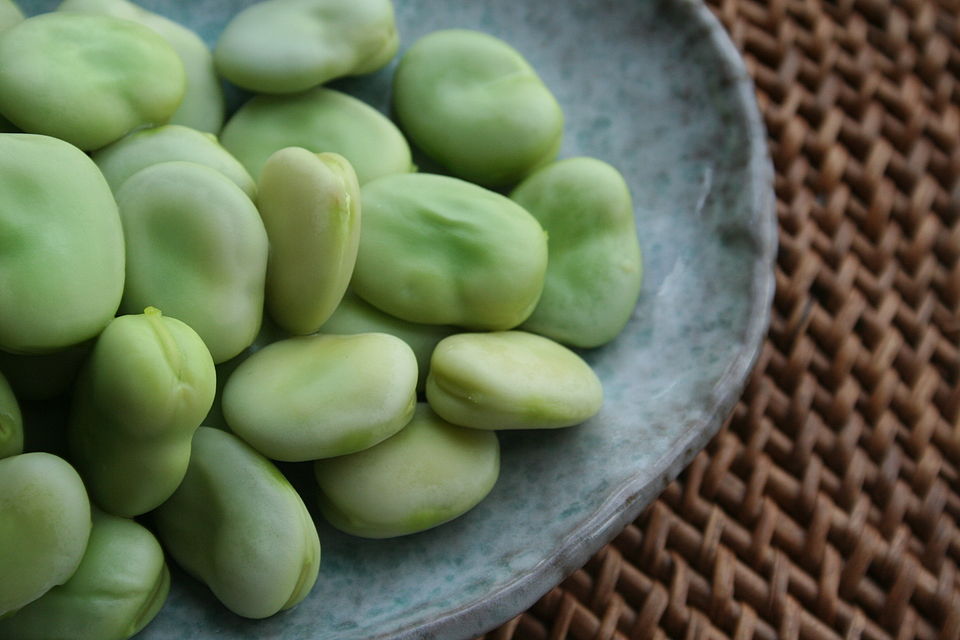
Broad beans, shelled and steamed

Vicia faba beans around a US quarter

Fried broad beans as a snack

Green broad bean vegan salad in Sweden
🍽️ Culinary Uses
In many parts of the world, people enjoy cooking with broad beans! 🍽️ They can be mashed, added to soups, or mixed into salads for extra flavor. In Italy, they make a tasty dish called "fave e pecorino," where they serve the beans with sheep cheese! 🧀Yum! In the Middle East, people often use broad beans to make “ful medames,” a popular breakfast dish. You can even eat them raw if they are young and tender; they taste sweet and fresh! 🌈Broad beans add color and nutrition to your meals while being super delicious!
Go deeper🥗 Nutritional Value
Broad beans are super healthy! 🥗They are packed with protein, vitamins, and minerals. One cup of cooked broad beans has about 13 grams of protein, which helps to build muscles and keep you strong. 💪They are also a great source of fiber that helps your tummy digest food better! Plus, they are loaded with vitamins like A, C, and B-complex, which all help your body stay energetic. 🌟So when you eat broad beans, you're not just tasting something yummy; you're also giving your body lots of good stuff!
Go deeper🌍 History And Origin
Broad beans have been eaten by humans for thousands of years! 🌍Archaeologists found them in ancient Egyptian tombs, dating back to 4,000 B.C.! 🌾They were an important food source in ancient Greece and Rome, where people used them for traditional festivals. Nowadays, many different countries grow broad beans, including Spain, Morocco, and India. The name "fava" comes from the Latin word "faba," meaning "bean.” Isn’t that cool? 🤓Broad beans have traveled the world and become loved in many different cultures!
Go deeper🐛 Pests And Diseases
Like all plants, broad beans can have some pesky problems! 🐛One common pest is the aphid, which can suck the juice from the plants. When plants get sick, they might develop yellow spots or wilting leaves. 🌿To help keep them healthy, farmers often use ladybugs, which eat aphids! 🐞It's essential to check regularly for any signs of pests or diseases so you can fix them early. Practicing good garden hygiene, like pulling out weeds and rotating crops, can help keep broad beans safe and growing happily! 🌼
Go deeper🌍 Cultural Significance
Broad beans hold a special place in many cultures! 🌍In ancient times, they were thought to represent good luck, prosperity, and even the afterlife. In Egypt, they were included among offerings to the gods. 🎉In Italy, they are celebrated during festivals, especially during the Feast of St. Joseph. People even have traditions around eating them during special occasions! 🌹In modern times, they are loved worldwide for their flavor and nutritional benefits, making them a symbol of healthy eating! 🥗Broad beans have traveled through history and remain a favorite for many! 🌟
Go deeper🌱 Environmental Benefits
Broad beans are fantastic for the environment! 🌱They help enrich the soil with nitrogen, which is essential for plant growth. By doing this, they can improve soil health and help other plants grow better. 🌍When grown in rotation with other crops, broad beans can protect the fields and reduce the need for chemical fertilizers. This can even lower greenhouse gas emissions! 🌬️ In addition, planting broad beans can help attract beneficial bugs like bees, which are essential for pollinating many plants. So, by growing broad beans, you're being a friend to the earth! 💚
Go deeper🌿 Harvesting And Storage
When it’s time to harvest broad beans, it's usually between late spring and early summer! 🌿Carefully pull the pods from the plants when they are plump and bright green. Gently open the pods and take out the beans inside! Make sure to harvest them before they get too big or dry out, as they can become tough. To store them, keep the beans in a cool, dry place, or freeze them for later use! ❄️ Frozen broad beans can last up to 12 months. Always remember to wash them before cooking to keep them fresh and yummy! 🍽️
Go deeper🌈 Varieties Of Broad Beans
There are many different types of broad beans! 🌈Some popular varieties include "Aquadulce," which is great for cool climates, and "Witkiem Manita," known for its short growing season. Another fun one is "Fava Mazoo," which is often eaten fresh. People around the world enjoy these varieties, and they can be different colors, from green to brown! 🌱Each variety has a unique taste, texture, and growing conditions. So whether you choose to grow them or eat them, there's always a new flavor to discover! 😋
Go deeper🏵️ Botanical Characteristics
Broad beans (Vicia faba) are special plants that can grow up to 3 feet tall! 🏵️ They have big, broad leaves and lovely white flowers, sometimes featuring a splash of purple. The plant's roots can even help improve the soil by putting nitrogen into it. 🌿Nitrogen is super important because it helps plants grow strong! Each pot can hold several beans, and the beans are usually about 1 inch long. The pods can grow 4 to 8 inches long and have a fuzzy feel! When blossoming, they often attract bees 🐝, which helps with pollination!
Go deeper🌈 Cultivation And Growing Conditions
To grow broad beans, they like nice, cool weather! 🌈They can be planted in early spring or fall in most areas. Good soil is key! The soil needs to be rich and well-drained, meaning it shouldn’t hold too much water. ☔Broad beans prefer sunny spots, so make sure to plant them where they can soak in the sunlight! After planting, water them a little bit, but be careful not to add too much. 🌦️ They usually start to sprout in about 2 weeks, and with the right care, you can enjoy delicious green beans in just a couple of months!
Go deeper