Brazos River Facts For Kids
The Brazos River is a major river in Texas, known for its scenic beauty, recreational activities, and historical importance.
Select reading age

Brazos River Facts For Kids
Videos & Quizzesincluded
About this topic
The Brazos River is one of Texas's longest rivers, stretching about 1,280 miles! 🏞️ It starts in the rugged mountains of New Mexico and flows all the way to the Gulf of Mexico. This river is very important because it supplies water for cities, farms, and animals. The name "Brazos" means "arms" in Spanish, which is quite fitting, as it meanders through Texas like big, welcoming arms! It passes through cities like Waco and Richmond, making it a crucial part of Texas life.
Explore with ChatDinoKey Points
The Brazos River has influenced Texas culture in many ways!
The Brazos River is vital for Texas's economy!
Protecting the Brazos River is very important!
The Brazos River is home to many plants and animals!
The Brazos River begins in the Caprock area of New Mexico, near the town of Turkey.
The Brazos River offers a lot of fun activities for everyone!
Like many rivers, the Brazos River can sometimes flood, especially during heavy rains.
The Brazos River has played an important role in Texas's history!
Photos of Brazos River
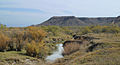
Brazos River — photo 1

Brazos River — photo 2

Brazos River — photo 3

Brazos River — photo 4

Brazos River — photo 5

Brazos River — photo 6

Brazos River — photo 7

An advertisement for the steamboat Yellow Stone, December 1836. Packet service between Quintana and Washington, Republic of Texas.
🎶 Cultural Impact
The Brazos River has influenced Texas culture in many ways! 🎶It's often featured in songs and stories that celebrate the spirit of Texas. For example, folk songs like "Deep in the Heart of Texas" often mention it. Many festivals and events also take place along the river, where people gather to enjoy music, food, and fun with their families. The river represents the rich traditions and stories that shape Texas's identity.
Go deeper💼 Economic Importance
The Brazos River is vital for Texas's economy! 💼It supplies water for farms, allowing farmers to grow important crops like cotton and corn. Additionally, the river is a source for industries that need water for various processes. The presence of the river also attracts tourists, which helps local businesses grow. This means restaurants, shops, and hotels receive support from people visiting the scenic river area, making it an essential economic resource!
Go deeper💚 Conservation Efforts
Protecting the Brazos River is very important! 💚Many organizations and communities work to keep the river clean and healthy. They organize events like river cleanups, where volunteers pick up trash to protect wildlife habitats. Education programs are also created to teach people about the importance of rivers and ecosystems. By preserving the river, we ensure that future generations can enjoy the beautiful nature and wildlife in and around the Brazos River! 🌼
Go deeper🦢 Ecology And Wildlife
The Brazos River is home to many plants and animals! 🦢In and near the river, you can find animals like beavers, otters, and different kinds of fish, such as catfish and bass. The riverbanks are lined with trees like cypress and willows that provide shade and homes for birds. This environment creates a unique habitat, supporting over 300 species of birds! 🐦The river also serves as a sanctuary for turtles and various insects, making it a bustling ecosystem.
Go deeper🐦 Geography And Course
The Brazos River begins in the Caprock area of New Mexico, near the town of Turkey. 🐦It travels south and then east through Texas, snaking by the towns of Lubbock, Waco, and College Station. Along its journey, it flows through several lakes, including Lake Whitney and Lake Granbury. The river finally empties into the Gulf of Mexico near Freeport. The Brazos River Valley is rich with fertile farmland, which helps grow crops such as corn, cotton, and wheat! 🌽
Go deeper🚣♂️ Recreation And Tourism
The Brazos River offers a lot of fun activities for everyone! 🚣♂️ People love to fish, swim, and kayak in its waters. There are also hiking trails and parks along the river, where you can have picnics and enjoy nature. Lake Brazos is a popular spot for boating and picnicking. Each year, many tourists visit to enjoy the beautiful scenery and outdoor adventures, from tubing in the summer to birdwatching in the fall! 🌳
Go deeper🌧️ Flooding And Management
Like many rivers, the Brazos River can sometimes flood, especially during heavy rains. 🌧️ Flooding can be dangerous for people living nearby. To help manage this, cities and officials create plans to control water levels. They build levees and reservoirs to direct excess water safely. Flood monitoring systems are also in place to warn people about rising water levels. The goal is to keep everyone safe while allowing the river to be a source of fun and resources!
Go deeper🌟 Historical Significance
The Brazos River has played an important role in Texas's history! 🌟During the 19th century, it was used as a transportation route for settlers moving to Texas. The river was also a key location during the Texas Revolution. For instance, in 1836, the famous Battle of San Jacinto took place nearby—this battle helped Texas gain its independence from Mexico! The river also helped to establish many towns that grew on its shores, contributing to the state's development.
Go deeper