Braille Facts For Kids
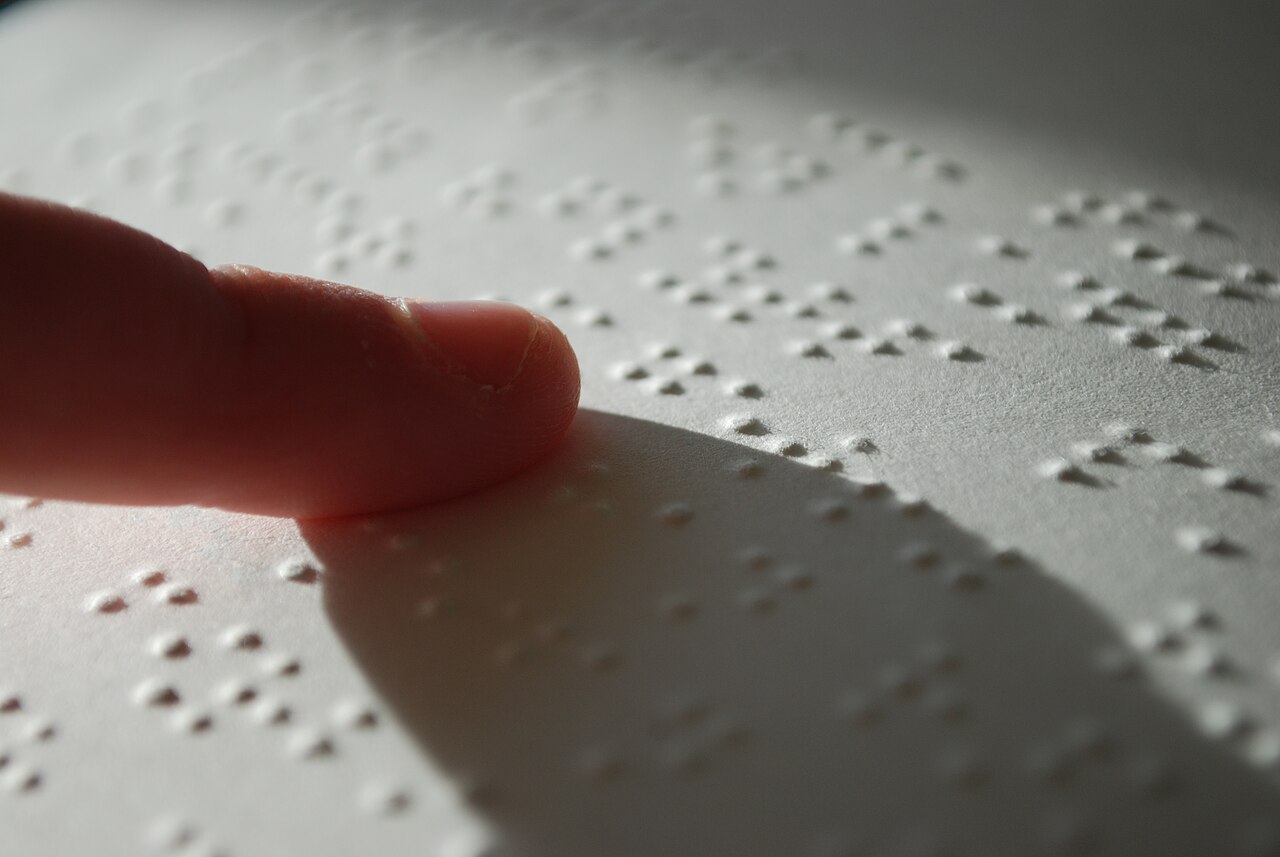
Braille is a tactile writing system used by the visually impaired, consisting of characters made of raised dots that represent letters, numbers, and symbols.
Select reading age
Braille Facts For Kids
Videos & Quizzesincluded
About this topic
Braille is a special way that people read and write using their fingers! 🖐️ It helps those who are blind or visually impaired to understand letters and words. Each letter of the alphabet is made up of tiny raised dots. Braille was created by a man named Louis Braille in France in 1824. 🌍Today, Braille is used all over the world. It lets people enjoy books, signs, and even games just like everyone else. With Braille, everyone can learn, read, and discover new things! 📚
Explore with ChatDinoKey Points
Learning Braille can be fun and exciting!
Braille is a system made up of little bumps arranged in cells.
The future of Braille looks promising!
Braille is read by feeling the raised dots with fingers.
Louis Braille was born on January 4, 1809, in Coupvray, France.
Braille is not just in books!
Braille allows everyone to enjoy stories and adventures!
There are different types of Braille!
Many organizations support Braille users and promote its importance.
Photos of Braille

Accessibility Braille dashboard in elevator

The Braille code ⠏⠗⠑⠍⠊⠑⠗ where the word premier, French for "first", can be read

Silver wedding bands with names Henri(que) and Tita written in braille

Hall Braille writer, model 1 (1892)

Braille typewriter

Stainsby Braille writer

Georgia Academy for the Blind has been providing braille education and braille literacy since 1876.

Taiwanese Braille and corresponding Mandarin text. Three Braille cells are needed to transcribe most Mandarin characters.

Braille plate at Duftrosengarten in Rapperswil, Switzerland
🎓 Learning Braille
Learning Braille can be fun and exciting! Many schools teach Braille using special books and tools. 🎓Techniques include finger exercises and matching letters with dots! Children can practice with Braille flashcards or even games designed for Braille learners. The goal is to become fast and confident in reading! 🏆Learning requires patience, and with practice, anyone can become a Braille expert! Some organizations offer classes and resources to help people learn Braille better. Try it—you'll be amazed! 🙌
Go deeper🔵 What Is Braille?
Braille is a system made up of little bumps arranged in cells. Each cell has six dots—two columns with three dots each! 🔵🔴 When these dots are raised, they form letters, numbers, and even punctuation marks. There are 26 letters in the Braille alphabet, just like in regular English! Instead of using eyes to see, people feel these dots with their fingertips. Each letter has a unique dot pattern. This way, using their fingers, readers can tell what letter it is. Isn't that cool? 🧠✨
Go deeper🔮 Future Of Braille
The future of Braille looks promising! 🔮Technology continues to enhance Braille, making it more accessible. More schools are teaching Braille to kids, ensuring new generations can read it. Innovations in printing and digital devices will help create Braille books faster and easier. Additionally, more people are realizing how important Braille is in our world. By spreading awareness and supporting Braille, we can help keep it thriving. The future will shine bright for Braille and its readers! 🌟
Go deeper📖 How Braille Works
Braille is read by feeling the raised dots with fingers. When you touch the dots, your brain connects them to letters! For example, the letter "A" looks like a single raised dot in the top left corner. If you see two dots, it’s the letter "B"! 📖The six-dot cell can create many combinations that help read letters, numbers, and symbols. People learn to read Braille by feeling the patterns quickly, just like how we learn to read words. It's a special touch system! 👋
Go deeper😢 History Of Braille
Louis Braille was born on January 4, 1809, in Coupvray, France. He lost his sight at a young age after a childhood accident. 😢Inspired to read like everyone else, he created Braille when he was just 15! The first version of Braille helped people read better using their fingers instead of sight. By 1837, it started to be used in schools for the blind. However, Braille only became popular after Louis's death in 1852. Today, it’s recognized worldwide! 🌟
Go deeper😊 Braille In Technology
Braille is not just in books! 😊Technology has made Braille even better. Special machines called Braille displays connect to computers and smartphones. They turn text into Braille! 💻Also, there are Braille printers that create Braille books very quickly. Many apps are available to help people learn and practice Braille on their devices. Even toys are made with Braille so everyone can play together! 🎲Thanks to technology, Braille can be everywhere!
Go deeper📖 Braille And Literature
Braille allows everyone to enjoy stories and adventures! 📖Many famous books have been translated into Braille so those who cannot see can read. Authors like J.K. Rowling and Roald Dahl have their books in Braille! Libraries worldwide have special sections filled with Braille books. ✨There are even Braille scores in music so people can enjoy melodies, too! Braille opens the door to a world of imagination, where stories are available for everyone! 🌍
Go deeper📚 Different Types Of Braille
There are different types of Braille! The most common is Literary Braille, which is used for reading books and stories. 📚Then there’s Nemeth Braille, which is used for math and science tasks—like counting and equations! ➕There’s also music Braille, for reading music notes. 🎵Another type is Unified English Braille, which helps Braille users worldwide understand English. Each type is designed for a specific purpose, making it easier for everyone to learn and use! 🌈
Go deeper🤝 Braille Advocacy And Organizations
Many organizations support Braille users and promote its importance. Groups like the American Foundation for the Blind and the National Federation of the Blind work hard to raise awareness about Braille. They hold events, provide resources, and help create Braille materials. 🤝Advocacy is important because it ensures everyone understands the value of Braille, promoting equality for visually impaired individuals. ⚖️ Thanks to these organizations, more people are learning about Braille and how it can change lives every day!
Go deeper