Bettong Facts For Kids
Bettongs are small, nocturnal marsupials that belong to the family Potoroidae and are known for their unique appearance and ecological role in Australian ecosystems.
Select reading age
Bettong Facts For Kids
Videos & Quizzesincluded
About this topic
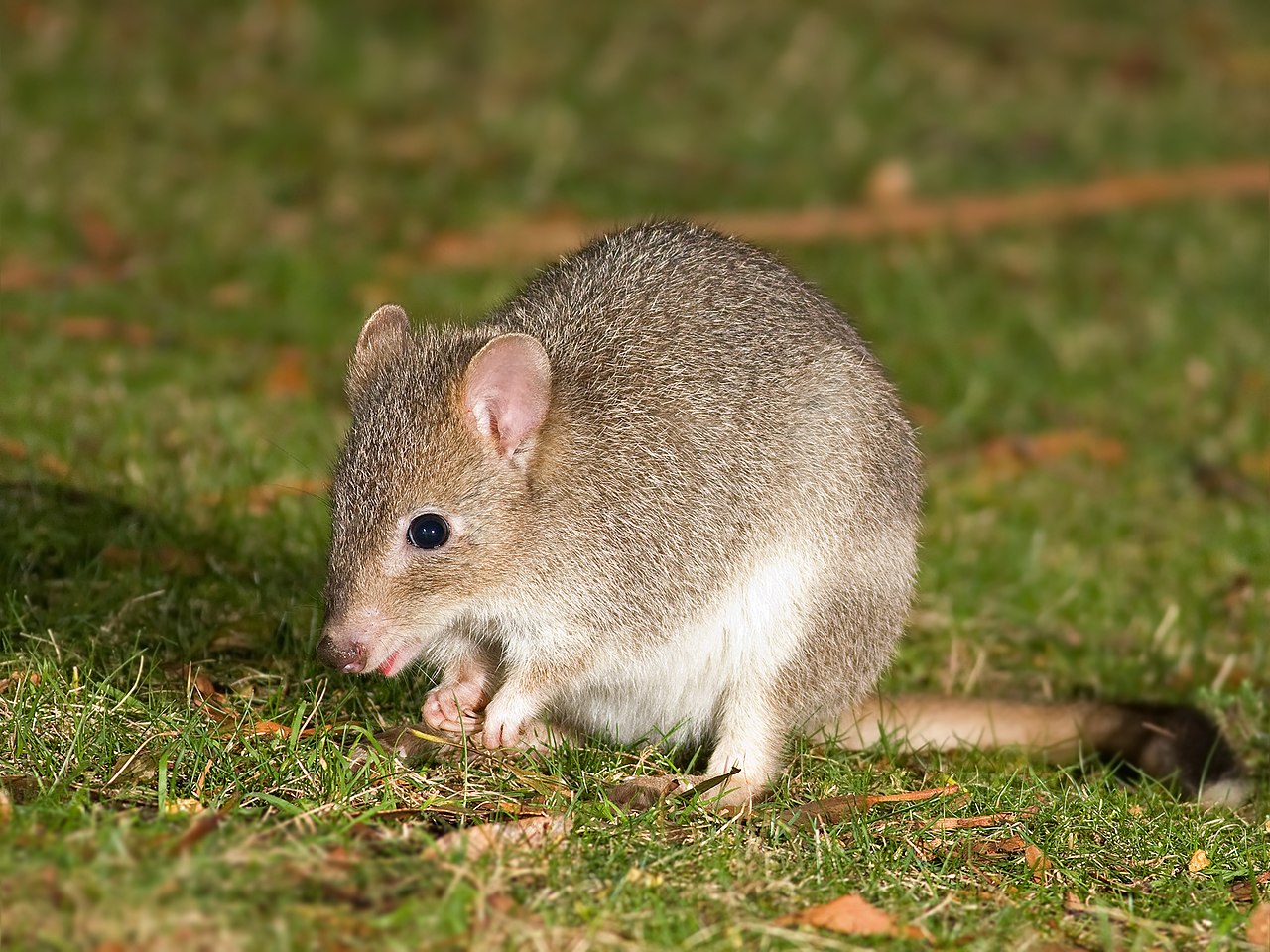
The bettong is a small marsupial from Australia! 🦘They are part of the potoroo family and are very cute creatures. Bettongs have long noses and big ears. They are also known as “bildees” or “rat-kangaroos.” There are two main types of bettongs: the Eastern Bettong, found in Tasmania, and the Western Bettong, which lives in Western Australia. Bettongs are nocturnal, which means they are active at night. They love to hop and can be seen looking for food under the moonlight! 🌙
Explore with ChatDinoKey Points
Sadly, many bettong species are endangered.
In Australia, bettongs are a vital part of Aboriginal culture.
Bettongs play an essential role in their ecosystems!
Bettongs prefer grassy woodlands, scrublands, and heathlands.
Bettongs are small and usually weigh between 1.5 to 3.5 kilograms (about 3 to 8 pounds).
Bettongs are herbivores, meaning they only eat plants!
Bettongs usually have one to two babies at a time.
Researchers are working hard to learn more about bettongs and how to protect them!
📉 Conservation Status
Sadly, many bettong species are endangered. 📉Due to habitat loss, hunting, and introduced predators like foxes and feral cats, their populations have declined. The Western Bettong is critically endangered and is found in fewer places now. Conservation efforts are being made to protect their habitats and increase their numbers. Many organizations are working hard to restore the places where bettongs can live safely and thrive in the wild.
Go deeper🎨 Cultural Significance
In Australia, bettongs are a vital part of Aboriginal culture. 🎨Many Aboriginal stories and artworks celebrate bettongs, highlighting their connection to the land and its history. They are often seen as symbols of resilience and adaptability. Understanding and protecting bettongs can help preserve this rich cultural heritage and educate future generations about the importance of wildlife!
Go deeper🌍 Role In The Ecosystem
Bettongs play an essential role in their ecosystems! 🌍Their foraging helps to aerate the soil, which means they make it easier for plants to grow. By digging up bulbs and roots, they also spread seeds around, helping new plants grow in different areas. This is crucial for maintaining healthy ecosystems. Other animals, like birds and insects, can benefit from the changes bettongs bring to their habitats, showing how important they are for the environment!
Go deeper🌱 Habitat And Distribution
Bettongs prefer grassy woodlands, scrublands, and heathlands. 🌱The Eastern Bettong likes the forests of Tasmania, while the Western Bettong resides in dry, scrubby areas in Western Australia. Both habitats have plenty of plants for shelter and food. Bettongs usually make homes in burrows or nests on the ground. They live in groups called "mobs," which help keep them safe from predators, such as foxes and owls. Knowing their preferred habitats helps scientists understand where to find and protect them!
Go deeper🐾 Physical Characteristics
Bettongs are small and usually weigh between 1.5 to 3.5 kilograms (about 3 to 8 pounds). 🐾They measure about 30 to 50 centimeters (12 to 20 inches) long, with a long, fluffy tail that can be as long as their body! Their fur is soft and can range from light brown to grey, helping them blend into their environments. Bettongs have short hind legs made for hopping and strong front legs for digging. Their big ears help them hear well and find food at night!
Go deeper🌿 Diet And Foraging Behavior
Bettongs are herbivores, meaning they only eat plants! 🌿They love eating roots, tubers (like sweet potatoes), seeds, and fungi. Their long noses help them dig into the ground to find tasty treats! Bettongs use their strong front paws to dig up food, and they have a special way of foraging: they are known to "plow" through the soil to find what they need. This digging behavior helps spread seeds and mushrooms, making them important for their habitats!
Go deeper🐣 Reproduction And Life Cycle
Bettongs usually have one to two babies at a time. 🐣After a pregnancy of about 28 days, the tiny baby bettong climbs into its mother’s pouch to continue growing! They stay in the pouch for about 100 days before they come out. Even once they leave the pouch, they will stay close to their mom for a few weeks to learn how to find food. Bettongs can live up to 5–7 years in the wild. It’s essential for them to learn from their mothers to survive on their own!
Go deeper📚 Research And Conservation Efforts
Researchers are working hard to learn more about bettongs and how to protect them! 📚They track their movements, study their diets, and work on breeding programs to help increase bettong populations. Many national parks in Australia are now creating safe environments for bettongs to thrive. Conservation organizations also educate the public about the importance of protecting these adorable marsupials and their habitats, ensuring they continue to hop through Australian landscapes for years to come!
Go deeper