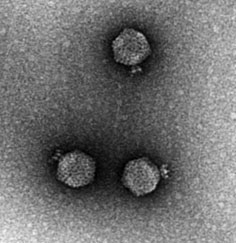
Bacteriophages are tiny viruses that infect only bacteria and are considered a potential tool for fighting bacterial infections, especially those resistant to antibiotics.
Set reading age
View for Kids
Easy to read and understand
View for Students
Clear, detailed explanations
View for Scholars
Deep dives and big ideas
Have you ever heard of tiny superheroes that can help fight bad germs? 🌟Bacteriophages, or "phages" for short, are special viruses that only attack bacteria! They are super small—so tiny that millions can fit on the head of a pin. Phages use their unique powers to find and destroy harmful bacteria, which makes them super important for keeping our bodies and the environment healthy! They were discovered not long ago, which shows how much there is still to learn about these fascinating little guys! 🦠✨
Bacteriophage therapy is a cool idea that uses phages to treat bacterial infections! 💊Instead of using traditional antibiotics, which can sometimes be ineffective, scientists can target specific bacteria with phages. People like Dr. George Eliava and Dr. Félix d'Hérelle were pioneers in this field! 🧑🔬 Phage therapy is especially useful for tough infections that won’t go away with regular medicine. Researchers are working hard to make sure phage therapy is safe and effective for everyone. 🌍This could change the way we fight infections and make medicine even better in the future! 🚀
As we learn more about bacteriophages, it’s important to think about ethics, which is like making sure we're doing the right thing! 🤔Before using phages to treat humans or crops, scientists make sure they’re safe and don’t harm good bacteria. Nobody wants to accidentally hurt the friendly bacteria that help our bodies! ❤️ Researchers also need to respect nature and the environment when studying phages. By addressing these ethical questions, we can ensure that bacteriophages are used responsibly and help us in the best ways possible! 🌱
Did you know there are different types of bacteriophages? 🤓🌟 Some are called "virulent" phages, which means they always destroy their bacteria hosts quickly. Others, called "temperate" phages, can hide in the bacteria's DNA and wait for the right moment to attack. Scientists also categorize phages based on their shape, either as icosahedral or filamentous! 🌐Each type has its own special way of interacting with bacteria. With so many types out there, researchers are still finding new phages in different environments, like oceans and soil! 🌍
Bacteriophages have a cool structure that helps them do their job! 🌈They are made up of a head and a tail. The head contains the phage's DNA, which is like its blueprint for life. The tail is super important because it helps the phage attach to bacteria! 🐌Imagine a tiny spaceship landing on a planet! Their bodies are made of proteins, and they can come in different shapes, such as icosahedral (like a soccer ball) or helical (like a spiral). This amazing design allows them to enter bacteria and start the infection process. Isn’t that neat? 🚀
Bacteriophages could be a superhero in medicine! 🦸♂️ When harmful bacteria cause infections, phages can help. They are used in a treatment called phage therapy, where sick people receive specific phages to attack the bad bacteria! One exciting example is in Georgia, where doctors have been using phage therapy since the 1920s. 🎉Phages can also help when bacteria become resistant to antibiotics, making them superstars in the fight against sickness! In laboratories around the world, scientists are studying how to use phages to treat various bacterial infections safely and effectively! 💉
The future looks bright for bacteriophage research! 🌟Scientists are excited to explore new ways phages can be used to fight bacteria. They’re investigating how phages can be combined with antibiotics to make them more effective. 🔬Researchers are also studying how phages can be used to treat new infections and to improve foods. With technology advancing every day, who knows what amazing discoveries lie ahead? 🌈Bacteriophages might change healthcare, agriculture, and biotechnology in ways we can only imagine! Keep your curiosity alive, and who knows, you could be the next scientist to discover something fantastic! 🚀
Bacteriophages have a unique life cycle, which can be summarized in a few key steps! 🗺️ First, they attach to a bacteria cell using their tail. After that, they inject their DNA into the bacteria, kind of like planting a seed! 🌱The bacteria then starts to make new phages using the DNA instructions. After a while, when there are many new phages inside, the bacteria bursts open, releasing the new phages into the world. This is called the lytic cycle. Sometimes, phages can also enter a peaceful mode called the lysogenic cycle, where they hide in the bacteria's DNA. 📚
Bacteriophages aren’t just tiny fighters; they’re also super useful in biotechnology! 🧬Scientists use phages to deliver helpful genes into bacteria, making them do exciting things, like producing useful proteins. This is called "phage display," and it helps researchers create new treatments for diseases! 🌈Phages can also help identify bacteria quickly and efficiently, which is important for food safety. By understanding how phages work, scientists are creating amazing new tools that could help us tackle big challenges in health, agriculture, and more! 🌟🔍
Bacteriophages also play an important role in agriculture! 🌾Farmers can use phages to protect crops from harmful bacteria that can cause diseases in plants. For example, researchers are finding ways to use phages to fight off bad bacteria that attack fruits and vegetables, helping farmers grow healthy food! 🍎This makes food safer and tastier for everyone! Phage treatments are natural, which means there are fewer chemicals needed on our crops. So when you eat fresh veggies, remember that bacteriophages might have helped make them healthy! 🥕🌿
The story of bacteriophages begins in the early 20th century! In 1915, a scientist named Frederick Twort discovered them while studying bacteria. Just a few years later, in 1917, another scientist named Félix d'Hérelle found that phages could kill bacteria, which was amazing! These discoveries happened in places like London, England, and Paris, France! 🏙️ Scientists realized that phages might help treat diseases caused by bacteria. Since then, researchers have been learning more and more about how these tiny viruses can help us, and they continue to explore their special powers today! 🔍🌍


DIY is a creative community where kids draw, build, explore ideas, and share.
No credit card required