Antilope Cervicapra Facts For Kids
Antilope cervicapra, known as the blackbuck or Indian antelope, is a medium-sized antelope native to India and Nepal, recognized for its stunning spiral horns and social behavior.
Select reading age
Antilope Cervicapra Facts For Kids
Videos & Quizzesincluded
About this topic
The blackbuck, also called the Indian antelope, is a fascinating animal found mainly in India and Nepal! 🌍These graceful creatures are known for their black and white markings and striking curved horns. Male blackbucks have long, twisted horns that can grow up to 30 inches long! 💨They are very fast runners, reaching speeds of about 50 km/h (31 mph) to escape from predators! 🦁The blackbuck is a symbol of India and is important for the culture and environment of the region. Let's explore this amazing animal further!
Explore with ChatDinoKey Points
The blackbuck is currently listed as Near Threatened on the IUCN Red List.
The blackbuck holds great cultural importance in India!
Blackbucks face several challenges in the wild.
Blackbucks love open grasslands, scrublands, and light forests!
Blackbucks are medium-sized antelopes.
Blackbucks are herbivores, which means they only eat plants!
Blackbucks have a unique lifecycle!
Blackbucks live in groups called herds, typically consisting of females and their young.
Blackbucks share their habitat with various other animals, such as deer, birds, and even monkeys!
Photos of Antilope Cervicapra

Blackbucks in Rehekuri Blackbuck Sanctuary

Blackbuck prefer grass

Herd, Gujarat

Antilope Cervicapra — photo 4


Courtship display in Blackbucks

Antilope Cervicapra — photo 7

Blackbuck carved on temple pillar at Lepakshi (16th century)

Akbar hunting blackbuck (Akbarnama, c.1590–5)
📊 Conservation Status
The blackbuck is currently listed as Near Threatened on the IUCN Red List. 📊This means they might become endangered if we don’t protect them. Organizations and governments are working hard to conserve their habitats and protect these beautiful animals. National parks and wildlife reserves play a significant role in preserving their natural environment. 🌳By raising awareness and protecting their habitats, we can help ensure the blackbuck continues to thrive in the wild! Together, we can make a difference for these amazing antelopes! 🥳
Go deeper🎨 Cultural Significance
The blackbuck holds great cultural importance in India! 🎨They are often featured in local folklore, art, and even films. Their beautiful horns and graceful movements make them symbols of wildlife conservation. 🦌Communities celebrate the blackbucks through festivals that promote awareness about protecting these animals and their habitats. People also admire them for their elegance, making them an essential part of India's natural heritage. 🌈By sharing their stories and significance, we can inspire others to love and protect the blackbuck! 📚💖
Go deeper🏞️ Threats And Challenges
Blackbucks face several challenges in the wild. 🏞️ One significant threat is habitat loss due to agriculture and urban development. 🌾As people expand farms and cities, blackbucks have fewer places to live and roam. Additionally, poaching and hunting for their beautiful horns have also reduced their numbers. 🦏It's essential to educate communities about the importance of protecting these animals and their habitats so they can survive and thrive in nature! 🌍✊
Go deeper🌿 Habitat And Distribution
Blackbucks love open grasslands, scrublands, and light forests! 🌿They are mostly found in India but can also be spotted in Nepal and some parts of Pakistan. These animals prefer areas with plenty of grass and plants to munch on. 🏞️ In India, they can be seen in wildlife sanctuaries like the Blackbuck National Park in Gujarat. This park is a great place to see these antelopes up close! 🦌Blackbucks usually live in herds, which helps them stay safe from predators. Let's learn more about how they live in their herds!
Go deeper🖤 Physical Characteristics
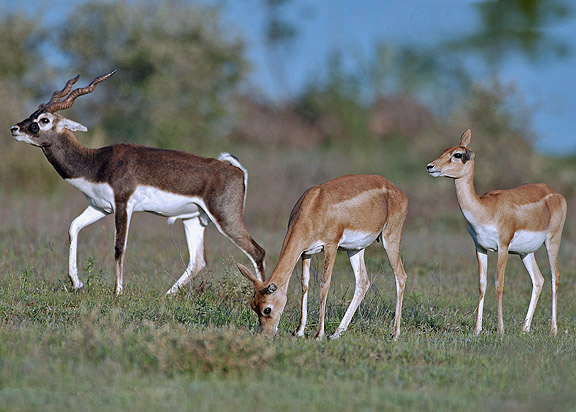
Blackbucks are medium-sized antelopes. Males have stunning black coats and white patches on their faces and bellies. 🖤🤍 Females are light brown with white markings and don’t have horns. The males' curved horns can be very impressive! 🌟Adult males may weigh between 45-80 pounds (20-36 kg), and females weigh around 33-55 pounds (15-25 kg). Their long legs help them run quickly, and their large eyes and ears help them be aware of their surroundings! 👀🐾 They have a unique appearance that makes them easy to identify in the wild!
Go deeper🥗 Diet And Feeding Behavior
Blackbucks are herbivores, which means they only eat plants! 🥗They love munching on grass, leaves, fruits, and herbs. They are especially fond of green grasses found in their habitats. 🌱Their special stomach allows them to digest tough plants efficiently. They often graze in the morning and late afternoon when it’s cooler outside. 🕘Blackbucks have to be careful while eating because they always stay alert to avoid becoming a meal for predators. Remember, eating healthy food helps them stay strong and fast! 🏃♂️💨
Go deeper🌱 Reproduction And Lifecycle
Blackbucks have a unique lifecycle! 🌱Mating season occurs during the rainy season, around June to September. After a pregnancy of about 6 months, a baby blackbuck, called a fawn, is born! 🍼The fawn is usually hidden in tall grass for a few weeks to keep it safe. 🏵️ Female blackbucks take care of their young by feeding them and teaching them how to graze. Fawns grow quickly and become independent at about 6-8 months old, joining the herd to learn essential survival skills. Every new generation helps keep the blackbuck population thriving! 🌼
Go deeper🦌 Social Structure And Behavior
Blackbucks live in groups called herds, typically consisting of females and their young. 🦌Males are often solitary or form small bachelor groups. The herds are usually led by an older female, who keeps everyone safe. 🛡️ Blackbucks communicate using various sounds, body movements, and even scent markings! Sometimes, males fight each other for territory or the attention of females by showcasing their impressive horns in a show of strength. Their social behavior helps them stay connected and safe from dangers in the wild. 👫💬
Go deeper🐒 Interactions With Other Species
Blackbucks share their habitat with various other animals, such as deer, birds, and even monkeys! 🐒Since they graze in open areas, they often attract different wildlife. Blackbucks also play an important role in helping to maintain grasslands by eating vegetation, which allows other plants to grow. 🌿Their presence helps create a balanced ecosystem! Additionally, these antelopes are prey for larger predators like tigers and wolves. This relationship helps maintain the predator-prey balance in the environment. 🦁🌍 By interacting with other species, blackbucks contribute to the health of their habitats!
Go deeper