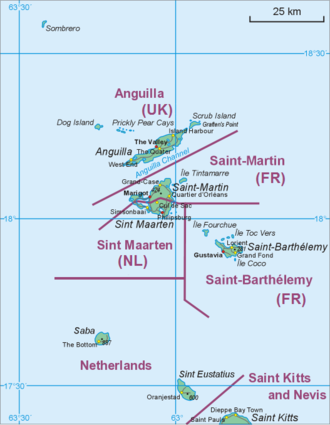
Anguilla is a Caribbean island known for its stunning beauty, rich culture, and vibrant tourism industry.

Set reading age
View for Kids
Easy to read and understand
View for Students
Clear, detailed explanations
View for Scholars
Deep dives and big ideas
Anguilla is a beautiful island located in the Caribbean Sea! 🌴It is part of the British Overseas Territories and is known for its stunning beaches and friendly people. Anguilla is tiny, measuring only about 35 square miles—almost the same size as New York City’s Central Park! This island is around 18°13′38″N latitude and 63°02′56″W longitude. The capital city is The Valley, where many people live and work. Anguilla has a warm climate and is a great place for relaxed beach days, making it a popular spot for vacationers and explorers! 🏖️
Anguilla’s food is delicious and full of flavor! 🌶️ Seafood is a big part of their dishes, with options like fresh fish, conch fritters, and lobster! 🍽️ A favorite dish is called "saltfish and johnnycakes," which combines salted fish with fried bread. Many restaurants serve Caribbean favorites, including BBQ chicken and rice and peas. 🌽On special occasions, you might find traditional foods like pumpkin soup or bread pudding. Festivals are a time for enjoying tasty local treats, making every meal an exciting adventure! 🍴
Anguilla is home to unique plants and animals! 🌺The island has many palm trees, cacti, and colorful flowers, such as hibiscus and bougainvillea. Anguilla's waters are alive with fish, turtles, and dolphins! 🐠You can even see seasonal bird migrations, where different bird species stop by. The salt ponds attract various birds like flamingos and herons. Some plants, like the seagrape, grow along the beaches. Overall, Anguilla's nature is beautiful and encourages everyone to protect it! 🌍
Anguilla has a fascinating history! The island was first inhabited by the Arawak and Carib Indians over 2,000 years ago. 🕰️ In 1493, Christopher Columbus spotted the island and gave it its name, Anguilla, which means "eel" in Spanish! Over time, British settlers arrived, and Anguilla became a British colony in 1650. The island faced many challenges, including hurricanes and the fight for independence. In 1967, Anguillans wanted to be free from Saint Kitts and Nevis, eventually gaining more control over their government in 1980! 🇬🇧
Many people visit Anguilla for its amazing attractions! 🏖️ Some of the best beaches include Shoal Bay and Meads Bay, where families can swim and build sandcastles. The island also has a famous art scene with galleries and local artists. One popular spot is the Wallblake House, a historic plantation house. 🏰For those who love water activities, snorkeling and sailing are top choices, allowing you to explore vibrant coral reefs. Don’t forget to check out the annual Anguilla Regatta for a thrilling boat race experience! ⛵
Anguilla's economy is mainly driven by tourism. 🏖️ Every year, thousands of visitors travel to the island to enjoy its beaches and resorts. Fishing is also important as local fishermen catch seafood like lobster and conch. 🦞Agriculture plays a role too, with crops like mangoes and tomatoes grown on small farms. The construction industry helps build hotels and homes for tourists and residents. Although Anguilla has its challenges, its beautiful landscape and welcoming people keep the economy growing strong! 💪
Education is essential in Anguilla! 📚Kids usually start school at age 5 and attend primary school until they are around 11. After that, they can go to secondary school to learn even more skills! There are several schools, including public and private options. The island also has a special focus on teaching children about their culture and environment. Many students learn English, Mathematics, and Science, preparing them for their futures! 📖Education helps the young leaders of Anguilla develop their talents and stay connected to their island's rich history.
Anguilla is a flat island with beautiful sandy beaches and coral reefs. 🏝️ Its highest point is just 65 feet above sea level! The island has many bays and lagoons, and the water around it is crystal clear. The temperature never gets too cold, usually staying between 70°F and 90°F (21°C to 32°C) all year long. 🌞It has a tropical climate, which means it gets a bit more rain from May to November. Even with the rain, sunny days are common, making Anguilla a perfect place for outdoor adventures! 🌊
The culture of Anguilla is rich and fun! 🎉Music and dance are very important, especially genres like reggae and calypso. 🎶During special holidays, festivals are held, such as the Anguilla Summer Festival in August, where people celebrate with parades and live music. Anguillans love storytelling, often sharing tales from their ancestors. They also enjoy delicious traditional food, like stewed fish and pigeon peas. People in Anguilla are very friendly and welcome visitors warmly, making it a great place to learn about Caribbean life!
Anguilla is governed as a British Overseas Territory. 🏛️ It has its own local government which helps manage daily affairs, while the British Government handles things like defense. The island has a leader called the Chief Minister, who makes important decisions and works with a group called the House of Assembly. Elections are held every five years, allowing the people of Anguilla to vote for their representatives! 🇬🇧 This mix of local and British governance ensures that Anguillans have a voice in their community.
Getting around Anguilla is easy! 🛣️ The island has well-maintained roads and local taxis that can take you anywhere. Many visitors choose to rent cars or scooters for more fun! Since Anguilla is small, you can reach most beaches in just a short drive. The island also has a small airport, the Clayton J. Lloyd International Airport, allowing travelers to arrive conveniently. For those who love the sea, ferries connect Anguilla to nearby islands like Saint Martin, making it easy to explore more! ⛴️


DIY is a creative community where kids draw, build, explore ideas, and share.
No credit card required