Andrew Huxley Facts For Kids
Sir Andrew Fielding Huxley was a prominent English scientist who made vital contributions to physiology and biophysics, particularly in understanding nerve impulses.
Select reading age
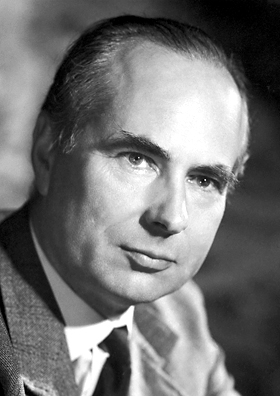
Andrew Huxley Facts For Kids
Videos & Quizzesincluded
About this topic
Sir Andrew Huxley was a famous English scientist born on June 22, 1917, in Hampstead, London. 🎉He studied hard and became a physiologist and biophysicist, which means he explored how living things work, especially the nervous system. Huxley made important discoveries about how our nerves send messages in our bodies. He worked with wonderful tools and brave tests, helping us understand how we feel things like touch and pain. Andrew loved sharing his knowledge and contributed to science for many years, making a big impact on how we understand biology! 🌍
Explore with ChatDinoKey Points
Throughout his life, Andrew Huxley received many awards and honors for his incredible work in science!
Nerve impulses are like little electrical signals that travel through our body to help us react to things around us!
In his later career, Huxley continued to create knowledge and teach young scientists!
Andrew Huxley grew up in a family that supported learning.
Huxley's biggest scientific contributions involve understanding how nerve cells, or neurons, work.
Andrew Huxley wrote many papers and books that helped explain his discoveries!
Sir Andrew Huxley loved working with other scientists!
Sir Andrew Huxley's work has had a huge impact on physiology and biophysics!
In 1963, Andrew Huxley was awarded the Nobel Prize in Physiology or Medicine, a super special honor for scientists!
🏆 Awards And Honors
Throughout his life, Andrew Huxley received many awards and honors for his incredible work in science! 🏆Besides the Nobel Prize, he was elected as a Fellow of the Royal Society, one of the highest recognitions for scientists in the UK. Huxley also received the Royal Medal for his discoveries in biology and was knighted in 1974, which means he became Sir Andrew Huxley! These awards celebrate his tremendous contributions that led to great progress in our understanding of how living organisms function! 🥳
Go deeper⚡ Nerve Impulse Research
Nerve impulses are like little electrical signals that travel through our body to help us react to things around us! ⚡Andrew Huxley studied these impulses and explained how they work using his experiments with the axon from a squid. He and his colleague, Alan Hodgkin, figured out how the nerve cells allow this electricity to flow and send messages very fast. They proved that ions, tiny particles found in the body, are essential for this process. Their research helped scientists understand why we react so quickly when we touch something hot or sharp! 🔥
Go deeper👩🎓 Later Career And Legacy
In his later career, Huxley continued to create knowledge and teach young scientists! 👩🎓 He became a professor and shared his passion for biology. Andrew also got involved in helping with organizations that promoted science and engineering. He strongly believed in the importance of scientific education for everyone. Huxley left a lasting legacy, inspiring countless students to enter the world of science and explore exciting questions about life. His research changed how we understand the nervous system and has influenced modern physiological studies! 📈
Go deeper📚 Early Life And Education
Andrew Huxley grew up in a family that supported learning. 📚He attended St. Paul’s School in London, where he excelled in science! After that, he studied at University College London and then at Cambridge University. Huxley loved exploring new ideas and became fascinated by biology. During World War II, he worked on radar technology too—impressive, right? After the war, he continued his studies and became a leading scientist in understanding nerves. His curiosity and hard work set him on a path to become a legend in science! 🧑🔬
Go deeper🧠 Scientific Contributions
Huxley's biggest scientific contributions involve understanding how nerve cells, or neurons, work. 🧠He discovered how these cells send messages in our body very quickly! He shared his findings through research, teaching, and writing. Huxley worked with a special "squid giant axon," a big nerve cell from squids that allowed him to study how nerves function. His groundbreaking work created pathways for future scientists to explore neurology, a field that studies how our brain and nervous system work. Huxley’s discoveries helped us learn more about how we see, move, and feel! 🌊
Go deeper📖 Publications And Writings
Andrew Huxley wrote many papers and books that helped explain his discoveries! 📖He published around 200 scientific articles and took part in writing textbooks too. His writings made it easier for other scientists and students to learn about nerve impulses and physiology. Huxley wanted everyone to understand the magic of science, so he shared his knowledge with all ages. His publications are still used today, making him a respected figure in the scientific community long after his time. Learning from Huxley’s words continues to inspire generations of young scientists! 🌱
Go deeper🤝 Collaboration With Other Scientists
Sir Andrew Huxley loved working with other scientists! 🤝He collaborated with his good friend Alan Hodgkin, and together they made many discoveries about how nerve impulses travel. Huxley also worked with scientists worldwide, sharing his knowledge and learning from them too. This teamwork helped create more understanding in the science community. Their combined efforts led to smarter ideas and new paths in research. Working together in science is essential because it helps break down complex problems into smaller parts that everyone can understand, just like a team in a game! ⚽
Go deeper🌐 Impact On Physiology And Biophysics
Sir Andrew Huxley's work has had a huge impact on physiology and biophysics! 🌐By studying nerve impulses, he helped us understand how our bodies communicate. His discoveries are used in medical research to learn more about diseases and treatments related to the nervous system. Huxley’s work taught us importance for studying electrical signals in all living things. Today, scientists build on Huxley’s ideas to explore everything from brain function to muscle movement. His legacy lives on, inspiring curiosity and discovery in the amazing world of science! 🔬
Go deeper🥇 Nobel Prize In Physiology Or Medicine
In 1963, Andrew Huxley was awarded the Nobel Prize in Physiology or Medicine, a super special honor for scientists! 🥇He shared this prestigious prize with Alan Hodgkin and John Eccles for their work on nerve impulses. Winning the Nobel Prize means they made a big difference in understanding how our bodies work! Huxley's research opened doors to help other scientists study how messages travel in other systems too. This amazing achievement made Huxley a legend in science and inspired many young scientists to learn more about the wonders of biology! 🌟
Go deeper