Amniota Facts For Kids
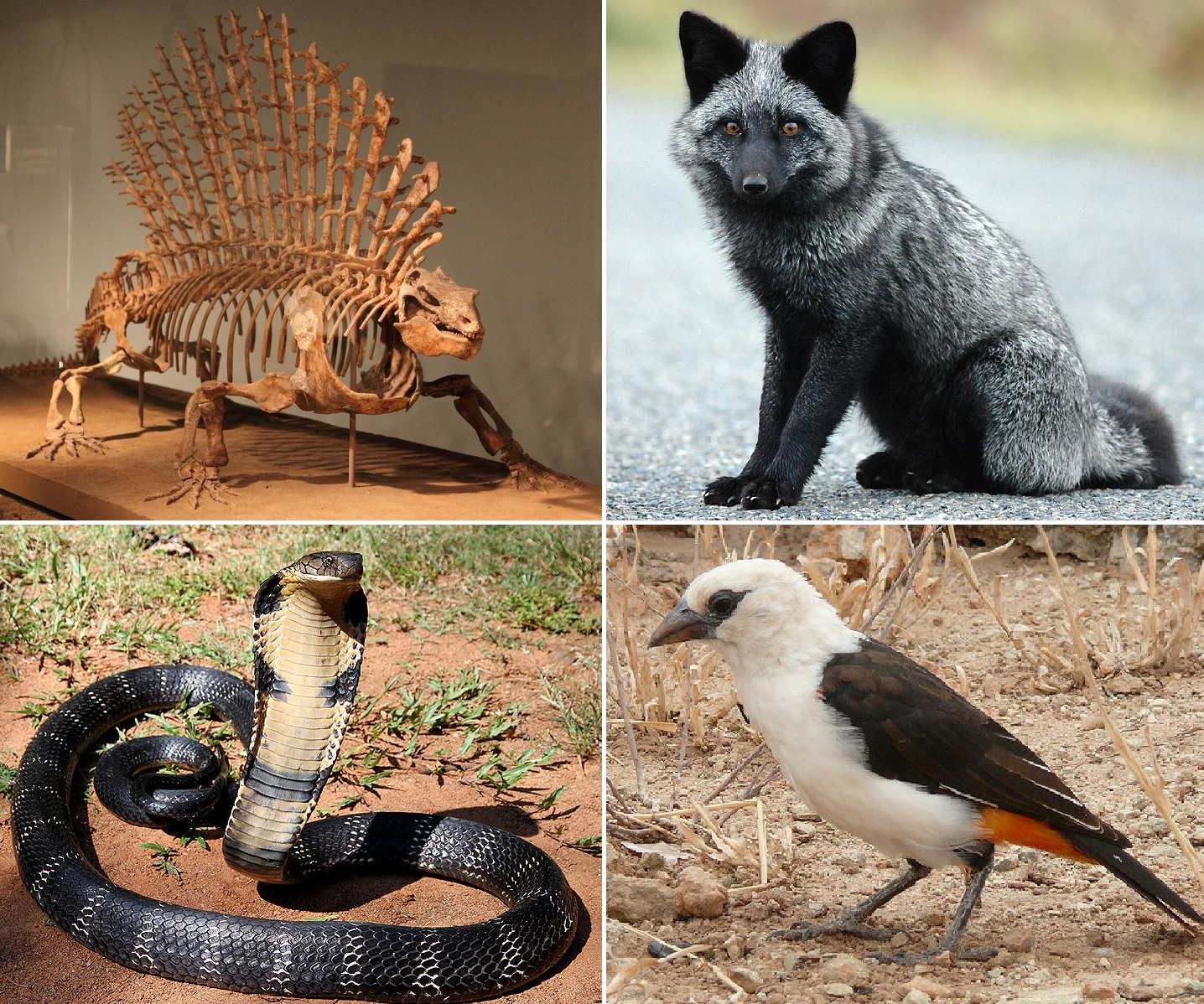
Amniota are vertebrates that can lay eggs with protective shells or develop young inside their bodies, allowing them to thrive in terrestrial and semiaquatic environments.
Select reading age
Amniota Facts For Kids
Videos & Quizzesincluded
About this topic
Amniota is a special group of animals that includes reptiles, mammals, and birds! 🦎🐾🦅 These animals are cool because they lay eggs with special membranes that keep the baby safe and allow them to hatch on land. Amniota first appeared around 340 million years ago! 🌍They are different from other animals, like frogs, which need water for their eggs. Amniotes can live in many environments, from deserts to forests. They are all around us, showing how amazing evolution can be! 🌱Let's dive into the fascinating world of amniotes and learn about their history and special features!
Explore with ChatDinoKey Points
Amniotes can be found all over the world!
Amniota can be divided into three main groups.
Amniotes play important roles in ecosystems!
Amniotes have cool body features that help them live on land!
The Evolution of Amniota started over 300 million years ago during a time called the Carboniferous period.
Amniotes have unique body systems that help them survive.
Amniotes have different ways to make babies!
Dinosaurs are perhaps the most famous extinct amniotes!
Sadly, many amniote species are in danger today!
Photos of Amniota

Anatomy of an amniotic egg.

Amniota — photo 2

Amniota — photo 3

Amniota — photo 4

Life restoration of Protorothyris archeri .

Amniota — photo 6

Archaeovenator - reconstruction autor - Bogdanov dmitrchel@mail.ru

Comparison of the skulls of Pamelina (A), Kuehneosaurus (B), and Icarosaurus (C), in dorsal (A1, B1, C1) and lateral (A2, B2, C2) views

🌎 Habitat And Distribution
Amniotes can be found all over the world! 🌎Reptiles like snakes and lizards often live in deserts, forests, and oceans. 🏜️🌲🐍 Birds can be seen soaring high in the sky, while mammals inhabit grasslands, mountains, and even our homes! 🏠Some amniotes have special adaptations to live in water, like sea turtles, while others like desert lizards have features to survive in the heat. 🌊☀️ From the snowy mountains of the Himalayas to the hot deserts of the Sahara, amniotes can be found everywhere, showing how adaptable they are!
Go deeper🐢 Classification Of Amniota
Amniota can be divided into three main groups. The first group is Reptilia, which includes turtles, snakes, and lizards. 🐢🦎 The second group is Aves, which is what we call birds! 🐦The third group is Mammalia, which includes animals like dogs, cats, and humans! 👩👦 Each group has unique features: reptiles have scaly skin, birds have feathers and beaks, while mammals have fur and usually give live birth. 💕All three groups share that special egg, the amniotic egg, which helps their babies survive on land. So next time you see a bird or a turtle, remember they’re part of this amazing family!
Go deeper🍃 Role Of Amniota In Ecosystems
Amniotes play important roles in ecosystems! 🍃Reptiles help control pests by eating insects and rodents. 🐍Birds assist in pollination and seed dispersal, helping plants grow. 🐦Many mammals are important for their roles as herbivores (plant eaters) or predators (meat eaters), helping keep food chains balanced. 🌻Every amniote contributes to the environment in unique ways. Without them, many ecosystems would change dramatically! By working together, they create diverse habitats that support countless other organisms. 🌺Isn’t it amazing how connected all living things are in the web of life?
Go deeper🏞️ Anatomical Features Of Amniota
Amniotes have cool body features that help them live on land! 🏞️ One important feature is the amniotic egg, which has a shell or tough covering to protect the developing baby. The egg contains a fluid called amniotic fluid, which keeps the baby safe, kind of like being in a tiny pool! 🌊Amniotes also have a special structure in their kidneys that helps them keep water inside their bodies, which is super helpful in dry places. 💧Many of them also have lungs for breathing air, and their skin is often covered with scales or fur to protect them from the elements. Isn’t their design fantastic?
Go deeper🌳 Evolutionary History Of Amniota
The Evolution of Amniota started over 300 million years ago during a time called the Carboniferous period. 🌳The first amniotes were small, lizard-like creatures that adapted to life on land. They developed tough, waterproof eggs to keep their babies safe from drying out. 🌞Through time, different groups evolved, leading to reptiles, birds, and mammals. The early amniotes spread across Pangaea, a supercontinent, and it helped them adapt to different habitats. 🌏Today, amniotes are everywhere, from your pet dog 🐶 to amazing dinosaurs like Tyrannosaurus rex! 🦖Isn't it neat how they have changed over millions of years?
Go deeper🦾 Comparative Physiology Of Amniota
Amniotes have unique body systems that help them survive. 🦾Their heart structures help them circulate blood efficiently. Birds, for example, have a four-chambered heart that keeps their blood oxygen-rich for flying high! 🐦💨 Reptiles usually have three chambers but can also adjust their circulatory system based on activity. Mammals, like us, also have four-chambered hearts. 🫀Amniotes’ lungs are adapted for breathing air, and their skin helps retain water. 🧴Their kidneys play an important role in balancing water in their bodies. Each group’s physiology is specialized for their way of life!
Go deeper🍼 Reproductive Strategies In Amniota
Amniotes have different ways to make babies! 🍼Most lay eggs, which is called oviparous reproduction. For example, birds and reptiles lay eggs on land. 🐣Some amniotes, like many mammals, are viviparous, which means they give birth to live babies. 🎉In mammals, the babies grow inside the mother in a special structure called a uterus. Kangaroos are also quite unique— they have a pouch for their babies to develop after birth! 🦘This variety in reproduction helps amniotes adapt to their environment and survive. Each strategy has its own set of advantages for keeping their species thriving!
Go deeper🦕 Extinct Amniota: Dinosaurs And Beyond
Dinosaurs are perhaps the most famous extinct amniotes! 🦕These large reptiles roamed the Earth millions of years ago. Some, like T. rex, were big and fierce, while others, like Triceratops, had unique features like three horns! Over 65 million years ago, dinosaurs went extinct, but many of their close relatives, the birds, survived! 🐦✨ Other extinct amniotes include ancient marine reptiles, like Plesiosaurus, and flying reptiles, like Pterosaurs. Their fossils tell us fascinating stories about how they lived. 🦖These extinct amniotes show just how diverse and amazing life has been throughout history!
Go deeper🌍 Conservation Status Of Amniota Species
Sadly, many amniote species are in danger today! 🌍🐢 Habitat loss and climate change threaten their homes, while hunting and pollution harm them. Some species, like the California condor and the Sumatran tiger, need special protection to survive. 🐅Conservation efforts are underway to help these amazing animals. Organizations worldwide work to restore habitats, protect endangered species, and educate people about their importance. 🌱If we all work together, we can save amniotes and keep our planet colorful and vibrant for future generations! Every small action counts—let’s be nature's heroes! 🦸♂️🍀
Go deeper