American Crocodile Facts For Kids
The American crocodile is a large carnivorous reptile native to the Neotropics, known for its impressive size and adaptability to various habitats.
Select reading age
American Crocodile Facts For Kids
Videos & Quizzesincluded
About this topic
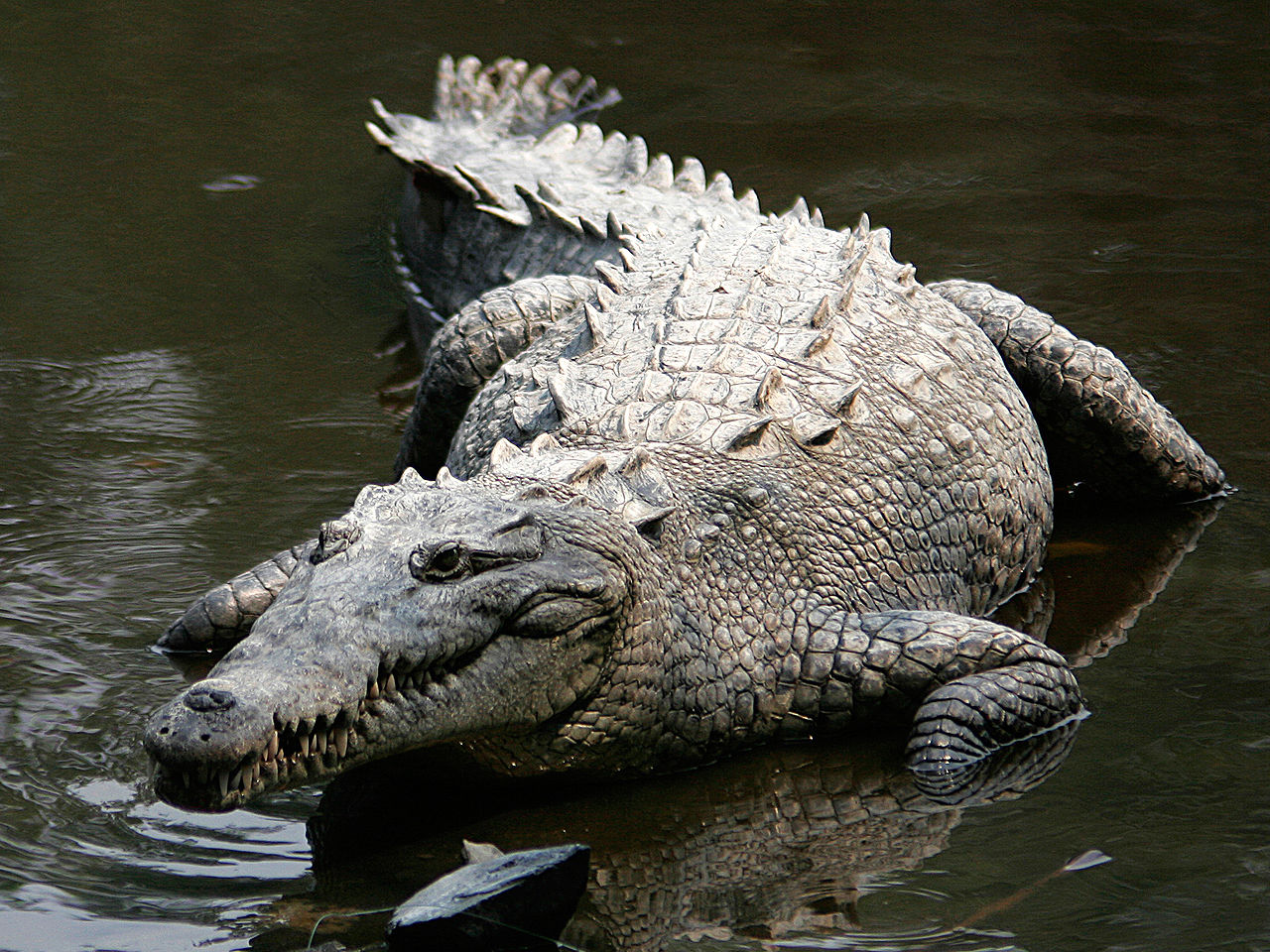
The American crocodile 🐊 is a fascinating reptile found mainly in the warm wetlands of Central and South America, including places like Florida, Mexico, and the Caribbean. They love both freshwater and saltwater! These large creatures can grow up to 13 feet long! 😲With their long snouts and sharp teeth, they are known to be excellent swimmers, and they spend a lot of time basking in the sun on riverbanks. Their skin is often a light olive color, helping them blend in with their surroundings. This unique adaptation helps them hunt and stay safe!
Explore with ChatDinoKey Points
Did you know that the American crocodile can hold its breath underwater for over an hour?
The American crocodile is listed as "Vulnerable" on the IUCN Red List 🚨.
Crocodiles hold a special place in various cultures!
American crocodiles face many challenges in the wild.
American crocodiles live in warm places known as the Neotropics, which includes countries like the United States, Cuba, and Honduras 🌍.
American crocodiles are large reptiles that can reach up to 13 feet in length!
Humans have a complicated relationship with American crocodiles.
American crocodiles are carnivores, which means they eat meat!
During mating season, which usually happens in late spring, male crocodiles find a female to court 🤝.
To help protect American crocodiles, various organizations and governments have implemented management strategies.
Photos of American Crocodile

American Crocodile — photo 1

An American crocodile photographed underwater in Cuba

Large American crocodile skull

Typical female American crocodile from Florida

American crocodile

American crocodile in Sumidero Canyon National Park, Chiapas, Mexico

American crocodile found in Jamaica's Black River

American crocodiles, Costa Rica
😮 Interesting Facts
Did you know that the American crocodile can hold its breath underwater for over an hour? 😮They have a special flap in their throat that helps them stay submerged while hunting. Another fun fact is that baby crocodiles make a sound called a "distress call" when they need help! 🐣Their mother can recognize their voice! Crocodiles also have several layers of eyelids that protect their eyes underwater. Additionally, these reptiles can run quickly on land, reaching speeds of up to 20 mph! 🏃♂️
Go deeper🚨 Conservation Status
The American crocodile is listed as "Vulnerable" on the IUCN Red List 🚨. This means that their numbers are decreasing, and they need protection to survive. These creatures are important for their ecosystems, so organizations are working hard to help them thrive! Conservation efforts focus on protecting their natural habitats and reducing human impact. By learning more about them, we can help protect these amazing reptiles and their homes! 🥳
Go deeper🌍 Cultural Significance
Crocodiles hold a special place in various cultures! 🌍In some Native American traditions, they symbolize strength, survival, and creativity. In ancient Egypt, crocodiles were associated with the goddess Sobek, who represented the Nile and fertility. Even today, many artists and writers use crocodiles in folklore, stories, and cartoons, portraying them as both scary and friendly creatures! 🎨Crocodiles remind us of the wild and the importance of respecting nature and its many wonders!
Go deeper🚧 Threats And Challenges
American crocodiles face many challenges in the wild. One of the biggest threats is habitat loss due to human activities like urban development and agriculture 🚧. Pollution from factories and farms also harms their environment. Additionally, crocodiles are sometimes hunted for their skin, which is valuable in the fashion industry. Climate change can affect them too, by altering their habitats and food sources. These threats make it harder for them to survive and thrive in their natural settings! 🌊
Go deeper🌍 Habitat And Distribution
American crocodiles live in warm places known as the Neotropics, which includes countries like the United States, Cuba, and Honduras 🌍. They prefer areas near rivers, swamps, and coastal regions. One of the most famous places to see them is the Everglades in Florida. Here, they build nests on the sandy shores and can often be seen lounging in the sun or swimming in the water. These crocodiles like both freshwater and saltwater, making them very versatile in their choice of habitat! They are known to be very territorial about their living space! 🏞️
Go deeper🐊 Physical Characteristics
American crocodiles are large reptiles that can reach up to 13 feet in length! 🐊They have a long, narrow snout, which helps them catch fish, their favorite snack. Their skin is tough and scaly, usually a light green or gray color, which helps them blend into their environment. They have powerful tails used for swimming and can hold their breath underwater for over an hour 🎉! Male crocodiles are usually larger than females. If you spot one, you might notice their yellowish eyes, always looking for their next meal!
Go deeper🦸♂️ Relationship With Humans
Humans have a complicated relationship with American crocodiles. 🦸♂️ While some people fear them and see them as dangerous, many others appreciate their role in nature! In some cultures, crocodiles are respected and even considered sacred. Crocodiles are also important for ecotourism, attracting visitors to see them in the wild. However, conflicts can arise when crocodiles come too close to human areas. Educating people about these reptiles can help improve their relationship with humans and ensure their survival! 🤝
Go deeper🍖 Diet And Hunting Behavior
American crocodiles are carnivores, which means they eat meat! 🍖Their main diet consists of fish, birds, and small mammals! They are great hunters and can remain very still while hiding in the water. When a prey swims too close, they strike quickly and grab it with their strong jaws! They often hunt at night when it's dark and easier to sneak up on their meal. Crocodiles also use their excellent sense of sight 🌙 and hearing to find food. They can also be seen sunbathing to warm up before a hunting session!
Go deeper🤝 Reproduction And Lifecycle
During mating season, which usually happens in late spring, male crocodiles find a female to court 🤝. The female uses her strong jaws to dig a nest in sandy or muddy areas. She lays about 20 to 50 eggs, covering them to protect them from predators! After about 75 days, baby crocodiles 🌟 hatch! They are about 1 foot long and are called hatchlings. The mother may help them reach the water, but they learn to hunt and survive mostly on their own. Crocodiles can live for 50 years or more in the wild!
Go deeper🗺️ Management And Conservation Efforts
To help protect American crocodiles, various organizations and governments have implemented management strategies. 🗺️ In Florida, for example, the state has set up protected areas to safeguard their habitats. They also conduct research to monitor crocodile populations and health. Educational programs teach people about conserving these animals and their environments. Many wildlife agencies encourage responsible ecotourism, promoting safe and respectful interactions with crocodiles. Together, these efforts aim to ensure that American crocodiles thrive for generations to come! 🌳
Go deeper