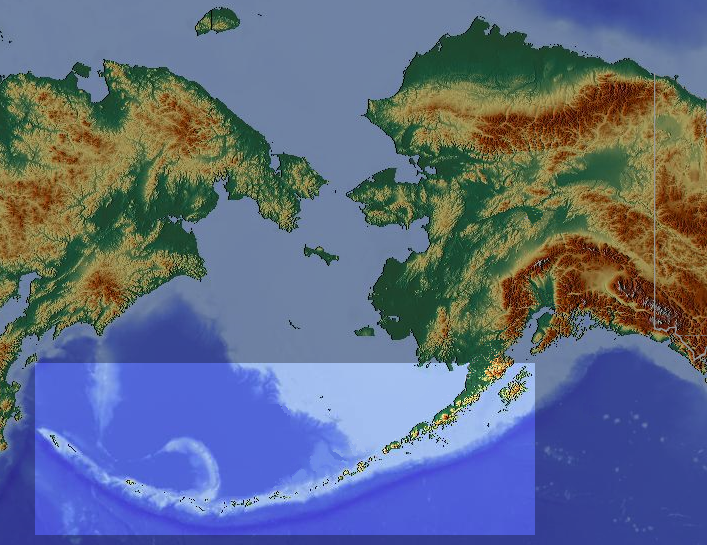
The Aleutian Islands are a chain of 14 main volcanic islands and 55 smaller ones, located in the northern Pacific Ocean between Alaska and Russia, known for their rugged landscapes and unique wildlife.
Set reading age
View for Kids
Easy to read and understand
View for Students
Clear, detailed explanations
View for Scholars
Deep dives and big ideas
The Aleutian Islands are a fantastic group of islands located in Alaska, USA! 🏝️ This volcanic archipelago consists of 14 main islands and 55 smaller ones, stretching about 1,200 miles (2,000 kilometers) across the North Pacific Ocean. The islands are known for their stunning landscapes, active volcanoes, and unique wildlife. They are part of the Ring of Fire, a zone with lots of volcanoes and earthquakes. The islands also have a rich history of native cultures. The Aleutians are not just beautiful; they are also an important part of nature!
The Aleutian Islands are a treasure trove of plants and animals! 🦙The forests are filled with Sitka spruce and cottonwood trees. Many colorful wildflowers bloom during the short summer. The islands are famous for their unique wildlife, like sea otters, puffins, and brown bears! 🐻You can also spot whales swimming in the surrounding waters. The islands serve as an essential stopover for migratory birds, making it a birdwatcher’s paradise! 🦢Conservationists work hard to protect these incredible species and their habitats.
The Aleutian Islands have been home to the Aleut people for over 9,000 years! 🕰️ These native inhabitants are known for their traditional fishing and hunting skills. The islands were first visited by Russian explorers in the 18th century, changing the way the Aleut people lived. Today, their culture includes beautiful handicrafts, storytelling, and traditions passed down for generations. The Aleut language, called Unangam Tunuu, is still spoken by some communities. Festivals celebrate their rich heritage, where they share dances, songs, and delicious food! 🍲
The economy of the Aleutian Islands relies heavily on fishing! 🎣Seafood like crab, salmon, and halibut are not only yummy but also vital for the local economy. Many people work in the fishing industry, and the fish are shipped all over the world. While fishing is a big part of life, tourism also plays an important role! 🏞️ Visitors come to enjoy the natural beauty of the islands, creating jobs in hospitality and guiding. The Aleutian Islands are a wonderful example of how nature and industry can work together!
The Aleutian Islands sit between the Bering Sea and the North Pacific Ocean. 🌊The largest island is Unalaska, where the town of Dutch Harbor is located. The islands are divided into two groups: the Eastern Aleutians and the Western Aleutians. The islands are a mix of rugged mountains, lush valleys, and rocky beaches. Aleutian Islands are connected by many narrow straits, making them super exciting to explore! These islands are close to Alaska’s mainland and are just 50 miles away from Russia at their closest point! That's a short leap across the ocean! 🌎
Tourism in the Aleutian Islands is a fun adventure! 🚣♂️ Visitors can go fishing, hiking, and birdwatching in breathtaking landscapes. You can also explore charming towns like Dutch Harbor and Unalaska, where you can learn about native culture. 🌄Many people come to take photos of the amazing volcanoes and stunning coastlines! Outdoor enthusiasts love kayaking and sightseeing to see playful sea otters and majestic whales. 🐋The islands are a fantastic place to enjoy nature and discover something new!
The Aleutian Islands are home to vibrant marine life! 🐠The waters around the islands are teeming with fish, octopuses, and sea lions! You can see majestic humpback and gray whales migrating through the area. 🌊The undersea ecosystem is important for local fisheries and also supports a variety of seabirds. The rich coastline and kelp forests make the waters a perfect home for many creatures. People are dedicated to studying and protecting these interconnected marine ecosystems to ensure their health for future generations! 🌐
The weather on the Aleutian Islands can be quite dramatic! 🌧️ It's mostly cool and damp, with temperatures ranging from 41°F (5°C) in winter to 59°F (15°C) in summer. The area faces strong winds, especially during storms! ☁️ Rain is plentiful, so the islands are covered in lush green vegetation. Snow can blanket the mountains in winter, creating a beautiful white landscape! ❄️ The weather makes it a unique environment for both people and wildlife, bringing lots of surprises throughout the year.
The main native inhabitants of the Aleutian Islands are the Aleut people, also known as the Unangax. 👩👦 Many Aleuts still live on the islands today, sharing their unique history and traditions. The Aleut language, Unangam Tunuu, has two main dialects: Eastern and Western Aleut. 🌍Although fewer people speak it nowadays, efforts are being made to teach younger generations! Cultural events help keep the language and customs alive. The Aleut people contribute greatly to the islands’ identity and offer visitors a glimpse into their fascinating way of life!
Conservation is super important in the Aleutian Islands! 🌱With unique wildlife and ecosystems, people are working hard to protect them. Many areas are designated as national wildlife refuges, where animals can thrive without disturbance. However, climate change and fishing threats put pressure on these environments. 🌡️ Organizations are fighting for the health of their oceans and forests. Everyone has a part to play in caring for nature! Remember to recycle and help keep our planet safe! 🌎
One significant event in the history of the Aleutian Islands was World War II. 🕊️ The islands were the site of battles between the USA and Japan in 1942. Today, you can see remnants of historical forts, bunkers, and artifacts from this time. Another important site is the Aleutian World War II National Historic Area, which preserves the story of the war and its impact on the people and land. 🏰Visiting these landmarks helps us understand the islands' rich history and bravery of those who lived there!


DIY is a creative community where kids draw, build, explore ideas, and share.
No credit card required