Aditi Facts For Kids
Aditi is an important Vedic goddess in Hinduism, known as the mother of all gods and associated with the sky and the universe.
Select reading age
Aditi Facts For Kids
Videos & Quizzesincluded
About this topic
Aditi is a special goddess in Hinduism 🌸. She is known as the "Mother of the Gods" and represents everything that is limitless! In the Vedic texts, Aditi is associated with the sky and the cosmos 🌌. She is often connected to light and truth, symbolizing purity and peace. Aditi has a unique status because she has many children, called the Adityas, who are also gods! Some of them include Surya (the Sun) and Varuna (the God of Water). Kids, Aditi teaches us about nurturing and protection, making her a cherished figure in stories.
Explore with ChatDinoKey Points
Aditi has inspired countless stories, dances, and art forms throughout history!
Many enchanting legends surround Aditi!
In the Vedic texts, Aditi is mentioned in many hymns and prayers.
People worship Aditi with love and devotion!
Aditi has a rich history that dates back thousands of years!
Aditi’s impact continues today!
Aditi symbolizes several important ideas!
You can find Aditi in various forms of art!
Aditi is often compared to other goddesses in different cultures!
Photos of Aditi

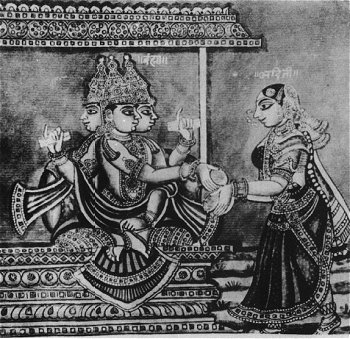
Aditi prays to Surya
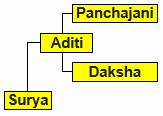
Family tree of Aditi
🎨 Cultural Influence
Aditi has inspired countless stories, dances, and art forms throughout history! 🎨In India, many traditional dances portray her nurturing qualities, and Aditi is often featured in festivals and performances. Statues and paintings of Aditi can be found in temples across the country, displaying her beauty and grace. Internationally, people recognize her significance in yoga and meditation practices, where she inspires inner peace. 🌈By understanding Aditi’s cultural influence, kids can learn about the beauty of diversity and how different cultures celebrate important figures, creating a shared understanding of goodness!
Go deeper🦄 Legends And Stories
Many enchanting legends surround Aditi! 🦄One famous story involves her giving birth to the twelve Adityas, who represent the months of the year. In another tale, Aditi helps release the sun in the morning, encouraging the light to shine upon the earth. 🌞These stories highlight her role as a loving mother and protector. Children can also learn from Aditi's adventures alongside mythological figures, where she often helps restore balance and peace. Such legends teach valuable lessons about cooperation, bravery, and the importance of family in our lives!
Go deeper🌟 Role In Vedic Texts
In the Vedic texts, Aditi is mentioned in many hymns and prayers. 🌟She is often called "Aditi Mata," meaning "Mother Aditi." The Rigveda, one of the oldest texts, describes her as the powerful force that gives birth to the gods. Interestingly, she is seen as the protector of truth and order! Aditi is also linked to the sky and was believed to be the one who created space for all living things. This makes her a cosmic mother, nurturing and caring for the universe. Children, the Vedas help us learn about ancient beliefs like her!
Go deeper❤️ Worship And Rituals
People worship Aditi with love and devotion! ❤️ In various Hindu rituals, particularly during special festivals like Makar Sankranti, prayers are offered to her, asking for blessings and prosperity. Devotees create beautiful offerings of flowers and fruits in her honor. Some choose to light lamps to symbolize her guiding light. 🌟Families also recite Vedic hymns that mention Aditi, thanking her for protection and nurturing. By doing so, they believe she shields them from negativity. Engaging in these rituals helps children understand the importance of gratitude and celebrating their roots!
Go deeper🌳 Historical Background
Aditi has a rich history that dates back thousands of years! 🌳The earliest written texts mentioning Aditi are the Vedas, ancient scriptures of Hinduism, composed around 1500 BCE in India. Over time, she became a vital part of Hindu mythology. Many temples were built in her honor throughout India, particularly in the regions of North India, like Uttar Pradesh and Bihar. As the ancients believed she ruled over the stars and celestial realms, her presence was crucial to understanding the universe around them. This timeline shows how Aditi's significance has grown!
Go deeper📖 Modern Interpretations
Aditi’s impact continues today! 📖In modern literature, she often appears as a symbol of feminine power and maternal instinct. Some authors use her character to represent strength and compassion in their books. Aditi is also included in many animated films for kids, capturing the imagination and introducing young audiences to her stories. 💖By connecting with Aditi in new ways, children learn that ancient wisdom can still resonate today, inspiring them to show kindness and protect others in their lives.
Go deeper🌈 Attributes And Symbolism
Aditi symbolizes several important ideas! 🌈She represents motherhood, infinity, and harmony. Often depicted as a beautiful woman, she wears a crown and holds a pot called a "kalasha," representing abundance and nourishment. Aditi is often connected with the sun and moon, symbolizing light and darkness. 🌓Her name means "boundless," reflecting her infinite qualities! In stories, she shows how important care and growth are, inspiring young ones to nurture their dreams and imaginations. Think of her as a cosmic guide who helps all creatures in the universe thrive!
Go deeper🎭 Aditi In Art And Literature
You can find Aditi in various forms of art! 🎭Artists use paintings, sculptures, and illustrations to capture her essence as the nurturing mother of the gods. In literature, Aditi appears in many fables and folklore, teaching valuable lessons about love, strength, and harmony. Children enjoy reading stories featuring her, inspiring them to create their own narratives! ✏️ You might even find Aditi in contemporary comic books where she stands alongside superheroes, sharing messages of empowerment and justice. Artistic expressions of Aditi help kids celebrate creativity while learning about important cultural figures!
Go deeper🌼 Comparison With Other Deities
Aditi is often compared to other goddesses in different cultures! 🌼For example, she is similar to Gaia from Greek mythology, who is the Earth Mother, nurturing all living things. Both Aditi and Gaia represent creation and care! In Hinduism, Aditi also shares characteristics with Durga, the goddess of strength, who combats negativity. 🌺While these goddesses have different roles, they all emphasize love, protection, and support. Learning about these different deities teaches children the importance of relationships and the universal idea of goodness within cultures around the world!
Go deeper