Abbas Kiarostami Facts For Kids
Abbas Kiarostami was a pioneering Iranian director, film producer, and screenwriter whose innovative storytelling and exploration of complex themes have made a lasting impact on global cinema.
Select reading age
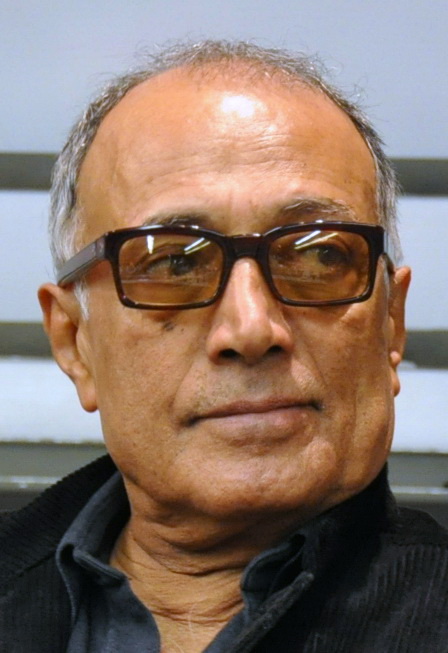
Abbas Kiarostami Facts For Kids
Videos & Quizzesincluded
About this topic
Abbas Kiarostami was a famous Iranian film director born on June 22, 1940, in Tehran, Iran. 🎥He became well-known for making beautiful and thought-provoking movies. Kiarostami loved to tell stories that made you think about life and nature. His films often featured ordinary people and real landscapes of Iran. 🌍He won many awards for his work, including the prestigious Palme d'Or at the Cannes Film Festival in 1997. His unique style and vision made him one of the most respected filmmakers in the world before he passed away on July 4, 2016.
Explore with ChatDinoQuick Facts
Key Points
After he passed away, Kiarostami left behind a remarkable legacy.
Kiarostami loved nature, poetry, and art!
Kiarostami started his career in the 1960s by making short films and documentaries.
Abbas Kiarostami greatly influenced many filmmakers around the world!
Throughout his career, Kiarostami received many prestigious awards!
As a kid, Kiarostami loved art and storytelling!
Some of Kiarostami's most famous films include "Taste of Cherry" (1997), where a man explores life and death, and "The Wind Will Carry Us" (1999), which shares the beauty of rural life in Iran.
Kiarostami had a very special way of making movies!
Photos of Abbas Kiarostami

Kiarostami majored in painting and graphic design at the University of Tehran College of Fine arts.

Kiarostami in 1977

Kiarostami directing a film

![Kiarostami interviewing with Habib Bavi [fa] in 2013](https://upload.wikimedia.org/wikipedia/commons/thumb/5/5e/Kiarostami_%26_Bavi.jpg/960px-Kiarostami_%26_Bavi.jpg)
Kiarostami interviewing with Habib Bavi [fa] in 2013

Kiarostami (left) at the Estoril Film Festival in 2010

Installation art by Abbas Kiarostami

People place candles and flowers in memorial of Kiarostami at Tehran's Ferdows Garden (Cinema Museum)

Kiarostami's grave at Lavasan
💫 Legacy
After he passed away, Kiarostami left behind a remarkable legacy. 💫Many filmmakers continue to study and admire his work. Schools and universities teach his films to help students understand the art of storytelling and directing. People remember him for capturing beautiful moments in life and for inspiring a new generation of filmmakers to explore their creativity and express themselves. His films remind us to appreciate the simple things around us and to think deeply about our own lives. 🌼
Go deeper🌸 Personal Life
Kiarostami loved nature, poetry, and art! 🌸He enjoyed spending time outdoors and took many photographs. He also wrote poetry, mixing his love for writing with his filming. Kiarostami was a kind person who believed in sharing stories that uplift and inspire others. He had a son, Ahmad Kiarostami, who continues his father's work in the film world. Even though he is no longer with us, his creative spirit lives on through his films and the people he inspired! 🌟
Go deeper🎬 Career Beginnings
Kiarostami started his career in the 1960s by making short films and documentaries. 🎬He worked for the Iranian Film Institute, creating educational films for children. In 1970, he made his first feature film, "The Report," which began to show his unique style. He often blended fiction with reality, creating a dream-like quality in his films. Kiarostami faced challenges due to cultural and political changes in Iran but stayed dedicated to making meaningful movies that resonated with audiences both in Iran and around the world.
Go deeper🎥 Influence On Cinema
Abbas Kiarostami greatly influenced many filmmakers around the world! 🎥Directors like Jim Jarmusch and Pedro Almodóvar have said they were inspired by his unique storytelling techniques. Kiarostami's emphasis on reality and human emotion helped shape what we call "art-house" cinema, which focuses on artistic expression rather than commercial success. His films encouraged other directors to tell stories about everyday life and explore deep themes that touch people's hearts. 🌍Many film festivals now showcase films inspired by Kiarostami's work.
Go deeper🏆 Awards And Recognition
Throughout his career, Kiarostami received many prestigious awards! 🏆He won the Palme d'Or at the Cannes Film Festival, which is one of the highest honors in filmmaking. He also received the Best Director award at Cannes for "Taste of Cherry." His films have been screened at numerous international festivals, bringing attention to Iranian cinema. Kiarostami's work is still celebrated today, proving that his films made a lasting impact on the world of movies! 🎉
Go deeper🎨 Early Life And Education
As a kid, Kiarostami loved art and storytelling! He studied at the University of Tehran, where he learned about painting and cinema. 🎨He also worked as a graphic designer and made short films. After realizing his passion for movies, Kiarostami began creating films that came to reflect the beauty of his homeland, Iran. 🌿His childhood experiences, playing in the stunning landscapes of Iran, inspired him and shaped his artistic vision which would later become so influential in his films.
Go deeper🌾 Major Works And Contributions
Some of Kiarostami's most famous films include "Taste of Cherry" (1997), where a man explores life and death, and "The Wind Will Carry Us" (1999), which shares the beauty of rural life in Iran. 🌾Another important work is "Close-Up" (1990), a fascinating story based on a real person pretending to be Kiarostami! 🎭He explored themes of identity, nature, and the human experience through his films. Kiarostami’s contributions to cinema helped the world understand Iranian culture and the importance of storytelling.
Go deeper🎞️ Directing Style And Techniques
Kiarostami had a very special way of making movies! 🎞️ He liked to use long takes, which means he would film a scene for a long time without cutting it. This helped viewers feel like they were part of the story. He often used non-professional actors, making the films feel real and relatable. Kiarostami also loved to film in natural settings, capturing the beauty of landscapes, especially in Iran. He would ask open-ended questions in his stories, inviting audiences to think and find their own meaning. 🌄
Go deeper