A Passage To India Facts For Kids
A Passage to India is a novel that examines the interactions and misunderstandings between the British colonizers and Indian natives during the British Raj, unfolding through the experiences of Dr. Aziz and his complex relationships.
Select reading age
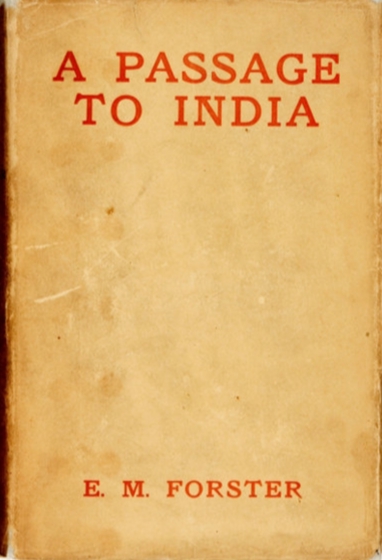
A Passage To India Facts For Kids
Videos & Quizzesincluded
About this topic
"A Passage to India" is a famous book written by E.M. Forster in 1924. The story is set in British-controlled India 📍, where the British and Indian people live very differently. It follows the friendship of an English woman named Adela Quested and an Indian doctor named Dr. Aziz 🧑⚕️. As they discover the beauty of India and its culture, misunderstandings and challenges arise. The book explores themes of friendship, race, and colonialism—important topics that teach us about the past. The story opens up a world of adventure, misunderstandings, and deep emotions, making it a classic still talked about today.
Explore with ChatDinoKey Points
In 1984, "A Passage to India" was made into a film directed by David Lean 🎬.
In "A Passage to India," the main characters are rich and complex.
When "A Passage to India" was published in 1924, it received both praise and criticism.
The story takes place during British rule in India, which lasted from 1858 to 1947.
The legacy of "A Passage to India" influences readers and writers alike.
"A Passage to India" is a culturally significant book that highlights the importance of understanding different cultures.
"A Passage to India" explores many important themes.
"A Passage to India" can be compared to other great literature that explores similar themes.
Photos of A Passage To India


View of the Rajgir Hills, an inspiration for the fictional Marabar Hills.

Plan of the Barabar Caves

Entrance to the Barabar Caves
🎬 Film Adaptation
In 1984, "A Passage to India" was made into a film directed by David Lean 🎬. The movie brought the book's story to life with beautiful scenes of India and a talented cast that included Judy Davis as Adela and Victor Banerjee as Dr. Aziz. The film was well-received and even won two Academy Awards! 🎖️ It helped introduce more people to E.M. Forster's story, showing how important it is to understand different cultures. The movie allows viewers to experience the same themes as the book, making the story accessible to everyone, regardless of age or background.
Go deeper🧠 Character Analysis
In "A Passage to India," the main characters are rich and complex. 🧠Adela Quested is a brave English woman searching for meaning in a foreign land. She wants to understand India but faces challenges along the way. Dr. Aziz, an Indian doctor, is friendly, charming, and wants to connect with Adela. However, he feels the weight of cultural differences and misunderstandings. Other characters, like Mrs. Moore and Mr. Cyril Fielding, add depth by showcasing various perspectives on friendship and colonialism. Each character symbolizes different challenges faced in a changing world, making their journeys exciting and relatable.
Go deeper📚 Critical Reception
When "A Passage to India" was published in 1924, it received both praise and criticism. 📚Many readers loved its rich descriptions and complex characters, appreciating how it discussed tough ideas like colonialism and friendship. Some critics thought it was too complicated or difficult to understand. However, over time, the book gained recognition as a classic and won the James Tait Black Memorial Prize. Today, many people study it in schools, and it appears on lists of the best English literature. Its impact on readers helps teach important lessons about unity and acceptance across cultures.
Go deeper🌏 Historical Context
The story takes place during British rule in India, which lasted from 1858 to 1947. 🌏This was a time when India was a colony, and British people controlled much of daily life. The book reflects the tensions between the British and Indians, showing how their cultures clashed. E.M. Forster wrote "A Passage to India" to highlight these differences and encourage understanding. India gained independence in 1947, allowing the country to govern itself. The book helps us learn about this important historical period and reminds us of the value of friendship across cultures.
Go deeper📜 Legacy And Influence
The legacy of "A Passage to India" influences readers and writers alike. 📜E.M. Forster's story has inspired many authors to explore complex themes of identity and culture in their works. The book is often included in literature classes, allowing new generations to learn about colonialism and friendship across cultural boundaries. Its impact extends to movies, plays, and even art! 🌟The timeless message of understanding and connection across different cultures makes "A Passage to India" a valuable piece of literature that will continue to resonate for years to come.
Go deeper🌍 Cultural Significance
"A Passage to India" is a culturally significant book that highlights the importance of understanding different cultures. 🌍It brings attention to the struggles of people during colonial times, reminding us of the need for compassion and empathy. The book created discussions about race, identity, and friendship, which are still relevant today. Schools and communities often study it to learn about India's history and the impact of colonialism. E.M. Forster masterfully weaves the beauty and complexity of India into his story, helping readers appreciate a culture different from their own.
Go deeper🌈 Key Themes And Motifs
"A Passage to India" explores many important themes. 🌈One major theme is friendship, especially between different cultures. The friendship between Adela and Dr. Aziz shows how people can connect beyond their backgrounds. Another theme is misunderstanding; sometimes, people jump to conclusions which can lead to trouble. Location is also key—places like the Marabar Caves 🌄 represent mystery and confusion. The struggle for identity is another theme, as characters grapple with who they are in a divided world. Through these themes, the book teaches us to appreciate diversity and seek understanding.
Go deeper📖 Comparative Literature
"A Passage to India" can be compared to other great literature that explores similar themes. 📖Books like "To Kill a Mockingbird" by Harper Lee discuss friendship and racial tension in the American South. Other novels, like "Things Fall Apart" by Chinua Achebe, show the clash between cultures in Nigeria. These books encourage empathy and understanding, just like E.M. Forster's work. By analyzing these stories together, we can see how different cultures express the same struggles, reminding us that friendship and acceptance are universal values throughout history.
Go deeper