2010 Chile Earthquake Facts For Kids
The 2010 Chile earthquake was a massive quake that struck central Chile on February 27, 2010, causing widespread destruction and triggering a tsunami, leading to significant loss of life and economic impact.
Select reading age

2010 Chile Earthquake Facts For Kids
Videos & Quizzesincluded
About this topic
On February 27, 2010, at 3:34 AM, a huge earthquake shook Chile! 🌍The earthquake was very strong, measuring 8.8 on the Richter scale! This made it one of the biggest earthquakes ever recorded. The center of the earthquake was near the coast in a place called Maule, which is south of the capital, Santiago. It lasted for about 3 minutes! That's longer than it takes to read a story! 📖The earthquake caused a lot of damage and created a tsunami that reached other countries too. This event was very important in science and taught us much about earthquakes!
Explore with ChatDinoKey Points
The earthquake created huge waves called tsunamis!
The earthquake had severe effects on Chile's economy.
Earthquakes happen because of movements in the Earth's crust, which is made up of large pieces called tectonic plates.
The 2010 earthquake caused severe damage to buildings and homes in Chile.
Chile experiences many earthquakes because it’s on the "Ring of Fire," an area in the Pacific Ocean known for volcanic activity and earthquakes!
The government of Chile acted quickly to help its people after the earthquake.
The 2010 Chile earthquake taught everyone many valuable lessons!
After the big earthquake, smaller shocks called aftershocks continued to rumble.
Sadly, around 500 people lost their lives due to the earthquake, and thousands were injured.
Photos of 2010 Chile Earthquake

USGS shake map of the earthquake

2010 Chile Earthquake — photo 2

The partially collapsed 21-story O'Higgins Tower, Concepción
2010 Chile Earthquake — photo 4

2010 Chile Earthquake — photo 5

2010 Chile Earthquake — photo 6

2010 Chile Earthquake — photo 7
2010 Chile Earthquake — photo 8

2010 Chile Earthquake — photo 9
🌊 Tsunami Effects
The earthquake created huge waves called tsunamis! 🌊These waves traveled across the ocean and affected many countries, including Japan and the United States. In Chile, the tsunami caused even more damage, washing away buildings and boats in coastal towns. 🌅Some places experienced flooding, and coastal residents were warned to move to higher ground. This showed everyone how strong nature can be and the importance of understanding these waves. People learned to listen to warnings and be careful after earthquakes to stay safe from tsunamis! 🚨
Go deeper💰 Economic Consequences
The earthquake had severe effects on Chile's economy. 💰Many factories and stores were destroyed, leading to job losses. Farmers also had trouble because of the destruction in rural areas. The government estimated damages to be around $30 billion! 🎉However, Chileans are resilient, and they worked hard to rebuild their businesses. Local markets reopened, and tourism began to recover. They learned that even after tough times, people can come together to rebuild and grow stronger as a community. Teamwork helped Chile bounce back! ✊
Go deeper🌐 Geological Background
Earthquakes happen because of movements in the Earth's crust, which is made up of large pieces called tectonic plates. 🌐Chile is located on the boundary of the Nazca Plate and the South American Plate. These plates push against each other, causing stress in the rocks beneath the earth. When the pressure becomes too much, BOOM! An earthquake occurs! The 2010 Chile earthquake took place in a subduction zone, where one plate dives under another. This region is famous for its strong earthquakes and is often studied by scientists, making it a fascinating place for learning! 📚
Go deeper🏠 Impact On Infrastructure
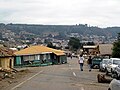
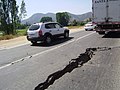
The 2010 earthquake caused severe damage to buildings and homes in Chile. 🏠Many structures collapsed, and roads were broken, making it difficult for people to travel. The famous city of Concepción was hit hard, losing many schools and hospitals. 🚑Bridges fell down, and it took a long time to repair them. However, Chile had plans in place, and workers quickly began fixing the damage. Thanks to modern engineering, many new buildings are made stronger today. The earthquake showed how important it is to have safe places for people to live! 🛠️
Go deeper🌊 Seismic Activity In Chile
Chile experiences many earthquakes because it’s on the "Ring of Fire," an area in the Pacific Ocean known for volcanic activity and earthquakes! 🌊Before the 2010 earthquake, Chile had experienced significant quakes, like the one in 1985 that measured 6.1. The 2010 earthquake was much stronger! 🌩️ The country is well-prepared for such disasters, with warning systems and drills. Although this earthquake was powerful, Chile has a rich history of surviving and recovering from these natural challenges. People learn how to stay safe to protect themselves and their families!
Go deeper💙 Government And International Aid
The government of Chile acted quickly to help its people after the earthquake. 💙They created plans to repair buildings and infrastructure. Countries around the world, like the United States and Australia, sent help too! 🌏They provided money, medical supplies, and rescue teams. The United Nations also offered assistance to ensure people received what they needed. This showed how important teamwork is during a disaster. Countries came together to support each other, demonstrating humanity's strength and kindness! 🤗
Go deeper🌟 Lessons Learned From The Disaster
The 2010 Chile earthquake taught everyone many valuable lessons! 🌟Preparedness is crucial, and schools started teaching students how to stay safe during earthquakes. Families also developed emergency plans, so they know what to do. Furthermore, engineers learned to build even stronger structures to withstand future earthquakes. ⚒️ People realized the importance of helping each other during tough times and showed great community spirit. By studying these natural events, we can better understand and prepare for them, keeping everyone safer in the future! Learning is the key! 🗝️
Go deeper⚠️ Aftershocks And Ongoing Seismicity
After the big earthquake, smaller shocks called aftershocks continued to rumble. ⚠️ Over the next year, Chileans felt many aftershocks, some reaching 6.9 in strength! These aftershocks reminded everyone to stay prepared because they can happen any time after a big quake. 🌍Scientists study these tremors to understand what happens deep inside the Earth. They gather information to keep communities safe and teach people about earthquake preparedness. It’s essential for everyone, especially kids, to know what to do if they feel an aftershock! 📊
Go deeper😢 Casualties And Humanitarian Response
Sadly, around 500 people lost their lives due to the earthquake, and thousands were injured. 😢Many families needed food, water, and shelter right away. After the disaster, both the Chilean government and international organizations jumped in to help! Volunteers and workers provided support, distributing aid supplies, offering medical help, and building emergency shelters. 🎒Groups like the Red Cross worked tirelessly to ensure everyone was safe. Communities came together, showing how kindness can shine even during tough times. People learned the importance of helping one another in times of need! 🤝
Go deeper