The 1918–1920 flu pandemic, also known as the Great Influenza epidemic or Spanish flu, was a worldwide pandemic caused by the H1N1 influenza A virus that resulted in millions of deaths and significant societal changes.
Set reading age
View for Kids
Easy to read and understand
View for Students
Clear, detailed explanations
View for Scholars
Deep dives and big ideas
The 1918-1920 flu pandemic, also called the Great Influenza, was a very serious sickness that affected many people around the world 🌍. It started in 1918, just after World War I ended, and lasted until 1920. This virus, known as H1N1, made a lot of people sick and caused millions of deaths. People were confused because they thought it came from Spain, but it actually didn't! This pandemic taught us the importance of good hygiene and staying healthy 💪. Knowing about this helps us understand how to fight off sickness today!
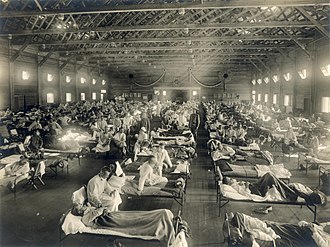
The 1918 flu spread quickly! 🌬️ It traveled around the world in just a few months. It spread when sick people coughed or sneezed, sending tiny droplets into the air. Trains, ships, and busy cities helped the virus spread faster 🌐. Hospitals were filled with sick people, and many were isolated at home. The pandemic hit hardest in 1918 and 1919, affecting cities like New York 🗽 and Paris 🇫🇷. Many places even closed schools and businesses to stop the spread. It reminds us how important it is to cooperate during a health crisis!
People who got the flu felt very sick 🤢. Common symptoms included high fever, headaches, and a cough that wouldn't go away. Some even had trouble breathing! Children and older people were especially at risk. While many got better, some got very serious illnesses and even died 🚨. Hospitals were crowded, and doctors worked really hard to help everyone. Understanding symptoms helps us recognize when we might be sick so we can get better quickly. Today, we use vaccines to prevent similar sicknesses and keep people safe!
The 1918-1920 flu pandemic is not the only one in history! For example, the Black Death came in the 14th century and killed millions 🏴☠️. More recently, the COVID-19 pandemic started in 2019 and changed our lives again. Like the Great Influenza, it spread quickly around the world and required people to wear masks and practice good hygiene 🚿. Each pandemic teaches us new lessons about health and safety. Comparing these experiences helps us understand how to fight against viruses and keep our communities safe!
The legacy of the 1918 flu pandemic is still important today 💡. Researchers continue to study the H1N1 virus to know more about it. Doctors and scientists use those lessons to improve vaccines, treatments, and health measures. 🧬They remind us about the value of staying prepared, having good hygiene, and listening to health experts. By learning from the past, we can work together to keep our world healthy! With each new discovery, we become stronger in fighting future viruses. Remember, knowledge is power! 🌟
The pandemic affected money and jobs 💰. Many businesses had to close for a while because people were scared to go out 🚪. Factories couldn’t make things, and workers couldn’t earn salaries, making life hard for families. The economy slowed down, causing problems for people trying to buy food and pay bills. However, some industries, like healthcare, grew because more doctors and nurses were needed. Lessons from this pandemic show how important it is for economies to be strong and flexible. Together, we can build a better future and recover from tough times!
During the 1918 flu pandemic, life changed a lot for everyone! People had to adapt to new ways of living. Many greeted each other without hugs and handshakes, showing respect for safety. 😷Family gatherings were smaller because people wanted to keep everyone healthy. Many used their creativity to find new ways to socialize, like writing letters or creating radio shows 📻. People also learned the importance of taking care of one another. Those changes taught everyone that staying connected, even when apart, is really important in tough times.
The H1N1 virus first appeared in birds 🎵 and later spread to humans. Scientists believe it started in the spring of 1918, possibly in Kansas, USA 🌽. Soldiers returning from World War I helped spread the virus to other parts of the world! The name "H1N1" comes from special proteins found on the virus. The virus kept changing, which made it harder to control. Back then, people didn't know much about viruses, so they didn’t have vaccines or medicine like we do now! Learning about where it began helps us fight future viruses better.
Around the world, leaders took action to fight the flu! 📋Governments urged people to wear masks 😷 and wash their hands. They also closed schools and held meetings virtually, much like today! Doctors and nurses worked overtime to treat the sick, even though they were exhausted. People were asked to avoid crowds and stay home if they felt ill. The need for public health measures showed how important teamwork is during a health crisis. This helped save many lives! It’s still important to listen to health experts today when facing sickness.
After the flu pandemic, researchers studied what happened. 🕵️♂️ They found that public health measures helped stop the spread of the virus! Vaccines for flu and other diseases became very important. Health workers learned they needed better plans for handling outbreaks in the future. This pandemic showed how time is essential for preparing and staying informed. These lessons continue to help us face health challenges today. Knowing history helps us build a healthier, stronger world! We can be heroes by working together to keep ourselves and others safe! 🚀
The 1918 flu pandemic influenced art, stories, and culture 🌈. Writers and artists created works that captured the fear and struggles people felt during that time. Some movies and books show how communities came together during the flu. 🎬People remember the hard times but also the hope they found. Events like parades and memorials honored those who fought against the virus. Today, we can learn from these stories and understand how resilience can shape our future! Creatively sharing stories helps everyone remember and connect!


DIY is a creative community where kids draw, build, explore ideas, and share.
No credit card required