Best Minecraft House Ideas
Discover the best minecraft house ideas for kids who want to plan creative builds, explore smart layouts, and make houses that feel fun to use. Then use Vibe Coding to turn an idea into a guided project you can build, test, and improve step by step.
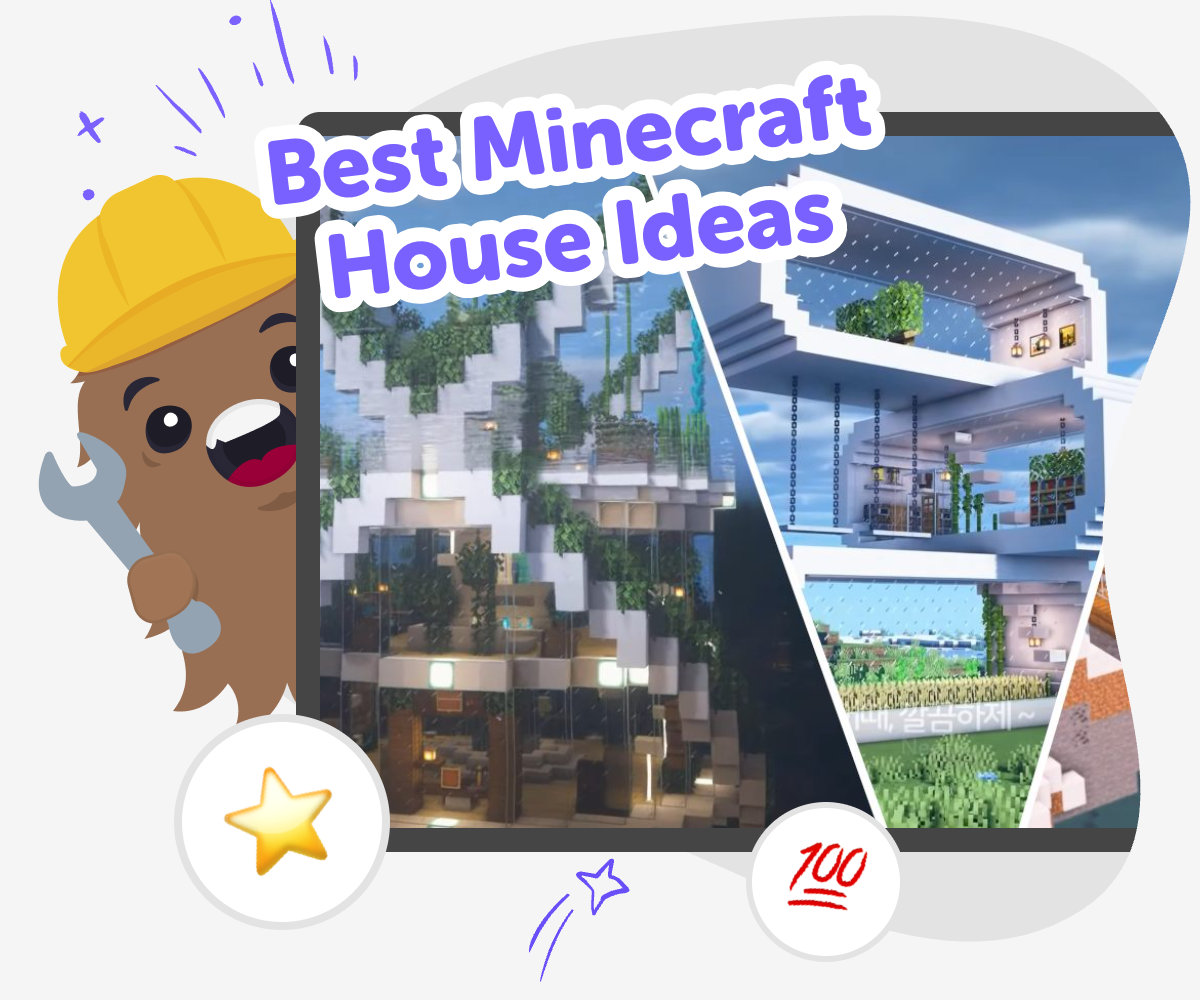
Minecraft house ideas
The best minecraft house ideas help kids think about space, style, and purpose at the same time. A great house can be small or big, simple or detailed, but it should still feel easy to use and fun to build. When kids plan a house, they practice making choices, solving problems, and turning imagination into a real design. That makes building more than decoration, because every room, roof, and doorway has a job to do.
Vibe Coding helps kids explore Minecraft house ideas in a safe, guided way. They can describe the kind of house they want, try out layout and style choices, and improve the project step by step as they learn. This keeps the topic centered on creative building while giving kids a hands-on place to experiment, test ideas, and gain confidence. It is a helpful way to turn a house idea into a project they can shape for themselves.
What makes a Minecraft house a good build?
A good Minecraft house does more than look nice. It gives players a place that feels safe, useful, and easy to use while they explore the world. Kids often like houses that match their style, such as a tiny starter shelter, a mountain hideout, or a bright creative home with big windows. The best minecraft house ideas usually balance appearance and function, so the build has enough room for beds, storage, crafting, and movement. When kids think about both beauty and purpose, they practice planning, problem-solving, and design thinking. That is what makes a build feel strong and memorable instead of random. A great house can also grow over time, which helps kids see that making is a process, not a single finished moment.
Why do kids like planning house ideas before building?
Planning first helps kids turn a big idea into smaller, easier steps. Instead of placing blocks without a direction, they can think about where doors, rooms, and special features should go. That makes the build less confusing and more fun to change later. Many kids enjoy sketching a shape in their mind or on paper before they build because it helps them stay organized. Planning also gives them a chance to be creative on purpose. They can decide whether they want a secret tunnel, a rooftop garden, a watch tower, or a simple home with a warm feel. Good planning builds confidence, because kids can see their idea taking shape one choice at a time. It also teaches that mistakes are useful, since a build can always be improved.
How can Minecraft house ideas help creativity?
Minecraft house ideas are a great way for kids to practice creative thinking because there is no single correct answer. One child might make a treehouse with bridges, while another builds a glass dome, a farm house, or an underwater base. Each choice teaches something different about space, color, shape, and function. Kids learn that creative ideas can be changed, mixed, and improved. A basic house can become special with a unique roof, a hidden room, or a clever entrance. This kind of play helps children trust their own ideas and try things they may not have built before. Creativity grows when kids experiment safely, notice what they like, and keep refining their work until it feels right to them.
How does Vibe Coding support building ideas safely?
Vibe Coding supports kids by giving them a guided place to turn a house idea into something they can explore and improve. Instead of guessing alone, kids can describe what they want, shape the project step by step, and make changes as they learn. That keeps the focus on trying, testing, and thinking, which is a healthy way to build confidence with technology. For a Minecraft-inspired project, this can mean exploring layout, style, and interactive features in a simple, kid-friendly way. The goal is not instant perfection. The goal is to help kids practice making decisions, understand how ideas change, and enjoy the process of building. With support, kids can feel proud of what they create and more ready to try new digital projects next.
Build Your House Idea
Pick a style
Choose a house idea that sounds fun, like a cabin, tower, cave base, farm home, or modern build. Notice what makes that style feel different from the others.
Plan the rooms
Decide where the door, main room, storage, and windows should go. Keep the first layout simple so it is easy to build and change later.
Add smart details
Select blocks, roof shapes, paths, and decorations that match your idea. Add one detail at a time so you can see how each choice changes the build.
Make the most of testing
Check the fit See whether the rooms are easy to reach and whether the outside shape feels balanced. Try one change Move a wall, swap a block style, or widen a room to see what helps the build work better. Keep what works Save the parts that feel clear, useful, and fun so the house keeps its best features. Build again Use what you learned to make a cleaner version that feels more like your own idea.
Frequently asked questions
What are some of the best Minecraft house ideas for beginners?
Beginners often do best with simple ideas that are easy to finish, like a small wood cabin, a square starter house, a hillside base, or a tiny farm home. These builds help kids learn basic shapes, room planning, and safe storage without making the project feel too big.
How do I choose a Minecraft house style?
Start by thinking about how you want the house to feel. Do you want it cozy, modern, magical, hidden, or strong and protective? Once you know the feeling, it becomes easier to choose blocks, shapes, and details that match the style.
Can kids make their own Minecraft house designs?
Yes. Kids can create their own designs by mixing ideas they like and changing them to fit their world. A build does not need to copy someone else exactly. Personal choices, like roof shape, room layout, and entrance style, make the house feel original.
What should a good Minecraft house include?
A helpful house usually has a bed, storage, crafting space, lighting, and a clear way to move around. Kids can add extra features like windows, gardens, towers, or hidden rooms if they want, but the main goal is to make the space easy and fun to use.
Is it better to build small or large?
Small is often better for starting out because it is easier to finish and change. A smaller house teaches planning and helps kids focus on the parts that matter most. Later, they can expand the build once the first version feels comfortable.
How can I make a Minecraft house look more interesting?
Try using different block textures, layering the roof, changing window shapes, or adding a porch, chimney, or path. Small details can make a simple build stand out. The key is to change one thing at a time so the design still feels clear.
What if my Minecraft house does not look right at first?
That is normal. Many good builds start as rough ideas and get better through changes. Kids can move rooms, adjust the shape, or try a different style. Testing and improving is part of making, and it helps the final design feel stronger.
How can Vibe Coding help with a Minecraft house project?
Vibe Coding gives kids a guided way to turn a house idea into a creative project they can build and improve step by step. It supports experimenting, problem-solving, and coding confidence while keeping the process playful and easy to follow.
More tools
Build a Zombie Games Game
Build a zombie games game with kid-friendly creative coding, where you can imagine the rules, shape the gameplay, and make a spooky project that feels fun and safe to play.
Build Alex from Minecraft
Build Alex from Minecraft is a creative way for kids to explore a familiar character by making something of their own. It turns a simple idea into a hands-on project that supports imagination, problem-solving, and confidence as kids design, test, and improve what they create.
Build an Akinator Game
Build an akinator game by making a kid-friendly guessing game where players answer questions and try to find the right character, creature, or object. This page explains the idea, why it is fun to make, and how kids can explore it through guided, hands-on creation with Vibe Coding.
Build an Angle Game
Build an angle game to help kids learn angles by making, testing, and improving a simple interactive project. With guided support from Vibe Coding, kids can turn a playful idea into a hands-on game that builds confidence, problem-solving, and creative technology skills.
Ready to start creating?
Join hundreds of thousands of kids already building cool stuff on DIY.ORG.