Alternatives to Kevin Games
Alternatives to Kevin Games helps kids and families understand what makes a fun game space and how to find creative, safe ways to play, build, and explore online. For kids who want more than just clicking around, this page shows how to turn that interest into making something of their own with guided support.
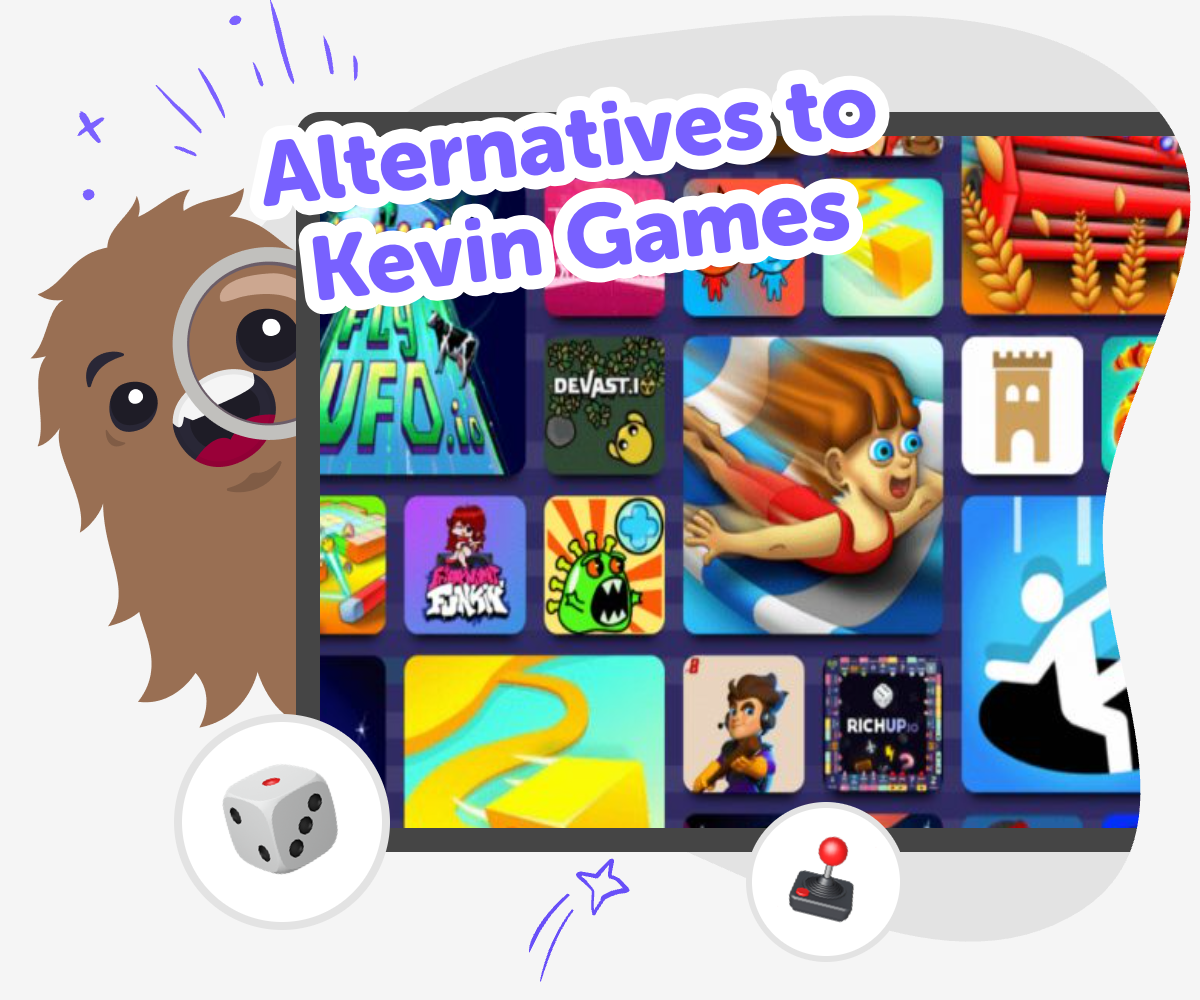
Explore safer game ideas
Alternatives to Kevin Games is a way to think about what kids want from online play: fun, creativity, and a place that feels safe to explore. Instead of only choosing a site to visit, kids can learn what makes a game space engaging and how to look for choices that match their age, interests, and comfort level. This matters because kids do best when they can play with confidence. Understanding alternatives to kevin games helps families look for experiences that support creativity, clear rules, and respectful use.
Vibe Coding gives kids a hands-on way to explore this topic by making their own interactive project instead of just browsing for one. Kids can describe a game, quiz, app, story, or invention they want, then build it step by step, test it, and improve it with guided coding support. That kind of making builds coding confidence, problem-solving, and creative technology skills while keeping the process playful and age-appropriate. It also shows kids that they can shape the kind of digital experiences they want to use.
What do kids usually mean by alternatives to Kevin Games?
When kids search for alternatives to Kevin Games, they are usually looking for game sites or creative play spaces that feel fun, easy to use, and safe enough for their age. The idea is not only to find another place to click and play. It is also about finding something that fits how they like to spend time online. Some kids want puzzles, some want building games, and some want creative tools where they can make their own characters or challenges. Thinking about alternatives helps kids and parents choose spaces that match interests, rules, and comfort levels. That makes online time feel more intentional and less random.
Why does safety matter when choosing a game space?
Safety matters because kids need online spaces that are designed with their age in mind. A good game space should be clear, easy to navigate, and respectful of younger users. It should also help families feel comfortable by making it simple to understand what the site does and how it works. When kids know the space is safe, they can focus on playing, learning, and creating instead of worrying about confusing buttons or surprising content. Safety also supports better habits. Kids can practice pausing, checking choices, and asking for help when something does not feel right. That builds confidence, not just caution.
How can creative tools be better than just playing?
Creative tools let kids move from only playing games to making something of their own. That shift can be exciting because it turns a player into a builder. A kid might start by making a short quiz, a simple challenge, or a tiny story world. As they build, they practice planning, problem-solving, and testing ideas. They also learn that a first try does not have to be perfect. This is important because creative confidence grows when kids see that they can improve something step by step. Making is often more memorable than only watching or clicking, because it gives kids a chance to shape the result themselves.
How does Vibe Coding fit this topic?
Vibe Coding fits this topic by giving kids a friendly way to make their own interactive projects instead of only searching for another site to visit. Kids can start with an idea for a game, app, story, or invention, then build it with guided support and keep adjusting it as they go. That makes the topic active and practical. Rather than saying, let us just find something else to play, the page shows how kids can create something that feels personal. The tool supports exploration, but the real learning comes from trying ideas, testing them, and improving them. That process helps kids build confidence with technology in a calm, hands-on way.
How to start
Choose an idea
Pick a simple game, quiz, story, or tool you would like to make. Start with one clear idea so it is easier to build and change later.
Describe the project
Write what the project should do, who it is for, and what makes it fun. Keep the idea short so you can focus on the most important parts first.
Build and test
Use guided coding help to add pieces of your project, then try it out. Notice what works, what feels confusing, and what needs to change.
Make the most of testing
Try a new version Change one part of your project, like the colours, the rules, or the way it moves, so you can see how small edits change the result. Check what feels easy Test the project again and notice where players might get stuck or lose interest. Simple changes can make a project friendlier and clearer. Improve with confidence Keep the parts you like and adjust the parts you do not. Each round of testing helps you learn more about making projects that other kids can enjoy. Share your best version When your project feels ready, save it and show it to someone you trust. Sharing helps you get feedback and think about what to build next.
Frequently asked questions
What are alternatives to Kevin Games?
They are other game spaces, creative tools, or kid-friendly projects that give kids a fun way to play, explore, or build online. The best choice depends on what the child wants to do and how safe and easy the space feels.
Are game alternatives always better for kids?
Not always. A good choice depends on the child’s age, interests, and the rules of the space. The best alternatives are the ones that support safe, creative, and enjoyable use.
How can I tell if a game space is kid-friendly?
Look for clear directions, simple controls, age-appropriate content, and rules that make sense for families. It also helps when the space feels respectful, easy to understand, and designed for younger users.
Can kids make their own games instead of only playing them?
Yes. Kids can start with a small idea, like a quiz, a story, or a simple challenge, and build it step by step. Making their own project helps them learn by doing.
Why do kids enjoy making interactive projects?
Because they get to choose the idea, change the design, and see what happens when they test it. That sense of control can make learning feel playful and rewarding.
Is it okay to start with a very small project?
Yes, small projects are often the best way to begin. A tiny game or simple tool is easier to finish, test, and improve, which helps kids feel successful early on.
How can families support safe online play?
Families can talk about what a child wants to make or play, check that the space is age-appropriate, and help kids notice when something feels confusing. Shared choices make online time calmer and clearer.
What can kids learn from trying creative alternatives?
They can learn coding confidence, problem-solving, and how to improve an idea little by little. They also learn that making something new takes practice, which is a useful skill for many kinds of projects.
More tools
Build a Slitherio Game
Build a slitherio game by turning a simple snake-style idea into an interactive project kids can shape, test, and improve. This page explains the game concept in a kid-friendly way and shows how creative coding can help kids make something playful, safe, and uniquely theirs.
Build a Snake Game
Build a snake game with a kid-friendly creative coding studio that helps kids plan, test, and improve a playful game one step at a time. This hands-on project supports coding confidence, problem-solving, and creative technology skills while keeping the process clear and approachable for young makers.
Build a Snowball IO Game
Build a snowball io game and explore how a simple winter idea can turn into an interactive project. Kids can imagine how players move, aim, collect points, and keep the game fair and fun while practicing creativity and problem-solving.
Build a Solar Smash Game
Build a solar smash game by turning space ideas into an interactive project where kids can imagine planets, test what happens, and improve their game step by step. It is a creative way to explore coding, science-inspired play, and problem-solving while making something fun and original.
Ready to start creating?
Join hundreds of thousands of kids already building cool stuff on DIY.ORG.
Your first game is on us.
Describe a game below - no sign-up needed to try.
KidsGPT has moved!
Log into ChatDino to access your chats
Powered by AstroSafe
Make real games - not just chat