Alternatives to Boblox
Alternatives to boblox are kid-friendly ways to make games, stories, and interactive projects when you want a fresh place to create. This page helps kids understand the idea, compare what matters, and try it through hands-on making with Vibe Coding.
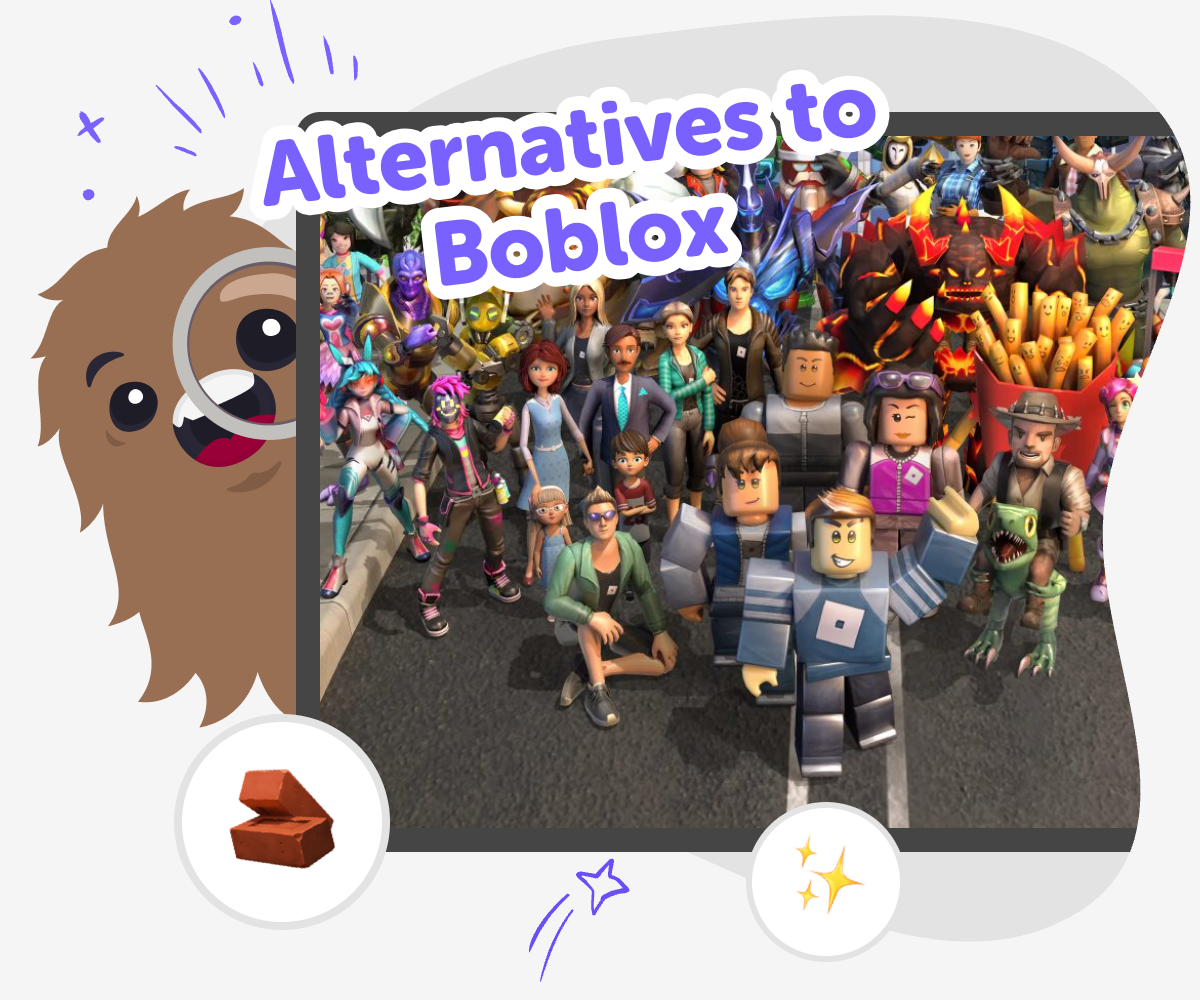
Choose a New Maker Space
Alternatives to boblox can help kids find new ways to build, play, and share creative ideas online. Some kids want a simpler start, more room for imagination, or a tool that feels safer and easier to learn. Looking at alternatives to boblox helps families choose an option that fits a child’s age, interests, and comfort level. The best choice is one that lets kids make something real, test it, and feel proud of what they learned along the way.
Vibe Coding gives kids a guided place to explore this topic by turning ideas into real interactive projects. Kids can describe a game, quiz, story, or invention, then build it step by step, change it, and try again, which keeps the focus on creativity, safety, and learning by doing. That makes the topic more than a search term. It becomes a hands-on way to practice coding confidence, problem-solving, and iteration without expecting kids to know everything at once.
What are alternatives to boblox?
Alternatives to boblox are other places kids can make and play interactive projects. The idea is not just to find a different website, but to find a creative space that matches how a child learns best. Some kids want a simpler layout, some want more room for stories, and some want a tool that feels easier to understand at the start. Good alternatives help kids build confidence, try ideas safely, and keep learning through making. When families compare options, it helps to look for clear controls, age-appropriate content, and projects that feel fun to finish. A strong choice is one that supports creativity without overwhelming a beginner. That way, kids can focus on inventing something of their own instead of worrying about getting everything right the first time. The goal is to find a space where making feels possible, playful, and worth returning to again.
Why does the right tool matter?
The right creative tool can change how a child feels about making things online. If a tool is too complicated, kids may stop before their idea gets off the ground. If it is too limited, they may not have enough room to experiment. The best alternatives help kids stay curious while building small skills like planning, testing, and fixing mistakes. That matters because early experiences can shape whether a child feels brave enough to keep trying. When a tool supports simple steps and clear feedback, kids can learn that improvement is part of the process. Parents and educators often look for tools that are both creative and manageable, because that balance helps children succeed with less frustration. A good fit can turn a first attempt into a real project and a real project into confidence that grows over time.
How does guided making help kids?
Guided making gives kids support without taking away their ideas. Instead of starting with a blank screen that feels scary, kids can begin with a prompt, a plan, or a helper that shows the next step. That makes it easier to turn thoughts into something real. Guidance is especially useful for children who have big ideas but are not sure how to begin. It can help them break a project into smaller parts, test one piece at a time, and learn from what happens. This kind of support builds problem-solving because kids see that a mistake is just information they can use. It also builds independence, since they still choose the theme, the style, and the changes. Over time, guided making helps kids trust their own ideas and feel ready to improve them on purpose.
How can kids stay safe while creating?
Safety matters when kids explore creative tools online, especially if they want to share what they make. Good habits start with using age-appropriate spaces, keeping personal information private, and asking a trusted adult before posting or sharing widely. Kids should also learn that not every comment is helpful, so it is okay to keep sharing small and private at first. A safe creative space should make it easy to build, experiment, and revise without pressure. It should also help kids understand what is okay to share and what should stay private. When families and teachers talk about these choices early, kids can focus on learning instead of worrying about mistakes. The goal is to make creating feel open and exciting while still protecting the child. Safe habits are part of learning, and they help kids become thoughtful makers as they grow.
How to Explore This Topic
Pick an idea
Choose a simple project idea like a game, quiz, story, or small tool so the first version is easy to understand.
Build the first draft
Use guided coding help to turn the idea into a working project with basic parts, clear actions, and a fun goal.
Test and change it
Try the project, notice what feels confusing or boring, and make small fixes so it works better for other kids.
Make the most of remixing
Try a remix Change one part of the project, like the theme, challenge, or style, so the idea feels fresh while still staying easy to follow. Keep testing Run the project again, watch how it behaves, and notice which changes make it smoother, clearer, or more fun for kids to use. Share safely Show the project to a trusted person or small group and keep the focus on helpful feedback, kind words, and age-appropriate sharing. Build again Save what worked, make a new version, and keep improving your project as you learn more about what makes it playful and easy to enjoy.
Frequently asked questions
What does alternatives to boblox mean?
It means other creative places kids can use to make games, stories, quizzes, or small interactive projects. The phrase is usually about finding a tool that feels easier, safer, or more fun for a child’s age and skill level.
Why would a kid want a different creative tool?
A kid might want a different tool if the first one feels confusing, too fast, or not quite right for their idea. A better match can make it easier to start, keep going, and feel proud of the final project.
Are alternatives to boblox good for beginners?
Some are, especially the ones with clear steps and simple controls. Beginners usually do best with tools that help them make something small first, then improve it little by little.
Can kids make their own game ideas?
Yes. Kids can often start with a simple idea like a chase game, quiz, story path, or invention and build from there. The best tools let them test ideas, change parts, and learn while they make.
How do kids know if a tool is safe?
Look for age-appropriate content, privacy controls, and clear guidance about sharing. It also helps to use the tool with a trusted adult at first and keep personal information private.
Is it okay if a project is not perfect?
Yes. Most creative projects improve through testing and changes. Kids learn a lot when they notice what works, what does not, and what to try next.
Can Vibe Coding help with this topic?
Yes. Vibe Coding gives kids a guided way to turn an idea into an interactive project, then build, test, and improve it step by step. It keeps the focus on making and learning, not just thinking about the idea.
What should parents look for in a good option?
Parents can look for a tool that is easy to understand, supports creativity, and keeps sharing safe and age-appropriate. It should help kids make real projects while still giving them room to learn at their own pace.
More tools
Build a Pokemon Clicker Game
Build a pokemon clicker game by designing a simple tap-to-play project where each click earns points, unlocks surprises, and helps kids learn the basics of game logic and creative coding.
Build a Pokemon Game
Build a Pokemon Game by turning your idea into a playful, interactive project where kids can design characters, set rules, and test how the game works. It is a creative way to explore game making, storytelling, and problem-solving with hands-on support.
Build a Pony Clicker Game
Build a pony clicker game and learn how simple choices can turn a small idea into an interactive project. Kids can imagine a pony, add a clicking action, and shape rewards, sounds, and visuals as they test and improve their game step by step.
Build a Popcorn Clicker Game
Build a popcorn clicker game and turn a simple snack idea into a playful coding project. Kids can imagine popping popcorn, tapping to score points, and adding fun sounds, pictures, and upgrades while they learn by making.
Ready to start creating?
Join hundreds of thousands of kids already building cool stuff on DIY.ORG.