Write and perform 3 lines with beats and tactics
Write and perform three short lines using beats, rhythm, pauses, and gestures to practice timing, expression, and engaging an audience.



Step-by-step guide to write and perform three short lines using beats, rhythm, pauses, and gestures
Step 1
Find a quiet space to stand and clear a little area to perform in.
Step 2
Do a 30-second deep breath and gently shake your hands to wake up your body.
Step 3
Pick a fun theme or character for your three lines like a superhero or silly chef.
Step 4
Write the first short line (4–8 words) and mark a steady beat under it with slashes or dots.
Step 5
Write the second short line (4–8 words) and add a pause mark where you will stop briefly.
Step 6
Write the third short line (4–8 words) and choose one big gesture to match it.
Step 7
Clap or tap the beat while saying the first line slowly three times.
Step 8
Clap or tap the beat while saying the second line slowly three times and take the pause where you marked it.
Step 9
Clap or tap the beat while saying the third line slowly three times and do your chosen gesture each time.
Step 10
Run your three-line performance from start to finish two times using your beats pauses and gestures.
Step 11
Share your finished three-line performance on DIY.org.
Help!?
What can we use if we don't have paper, a timer, or a camera to complete and share the performance?
Use your phone's Notes app to write the three lines and mark slashes/dots and the pause, use the phone stopwatch for the 30-second deep breath and to time claps, and record the performance with the phone camera to upload to DIY.org.
I'm losing the beat or rushing the pause—how can I fix that while practicing the clapping and pauses?
Slow the tempo, redraw a clear steady beat under the first line with slashes or dots, tap a table or use a metronome app while saying each line three times, and count silently at the pause mark before continuing.
How can I adapt this activity for younger children or older kids who want more challenge?
For preschoolers, shorten each line to 1–2 words and have an adult model the clap, pause mark, and big gesture, while older kids can keep 4–8 word lines, add complex beats, vocal dynamics when repeating each line three times, and create extra variations during the two full performances.
What are simple ways to make the three-line performance more creative or personal before sharing it?
Choose a costume or prop to match your theme, add a backing rhythm with spoons or a drum while you clap the beat, exaggerate the chosen big gesture on the third line, and film both full runs so you can pick the best take to post on DIY.org.
Watch videos on how to write and perform three short lines using beats, rhythm, pauses, and gestures
Learning to dance | Educational Videos For kids | Dance moves for begginers
4 Videos
Learning to dance | Educational Videos For kids | Dance moves for begginers
Dance Tutorial for 3 to 7 years Kids | 5 Basic Steps | Deepak Tulsyan | G M Dance | Part 3
3 Dance Dance Steps For Beginners | Easy Dance Steps | MGS Dance Studio
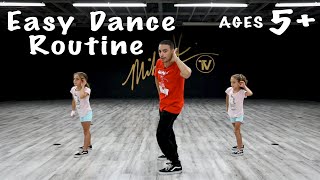
Easy Kids Dance Tutorial AGES 5+) | MihranTV
Facts about public speaking and performance for kids
🎤 About three out of four people say they feel nervous about public speaking—so stage jitters are totally normal!
🥁 Babies can sense rhythm: infants respond to beats and move to rhythm long before they can walk or talk.
📜 Beat poets like Allen Ginsberg and Jack Kerouac helped make spoken-word readings famous by performing their lines aloud.
👋 A simple gesture or well-timed pause can change how an audience understands a line—body language is super powerful.
🎭 Comedians and actors often use a single perfectly timed pause to turn a good line into an unforgettable moment.
How do you write and perform three short lines with beats and tactics?
What materials do I need to write and perform three lines with beats?
What ages is the three-line beats activity suitable for?
What are the benefits and safety tips for practicing beats with short lines?
