Tell Us What's for Breakfast in ASL
Practice American Sign Language signs for common breakfast foods, then record a short video demonstrating three to five breakfast items to share.


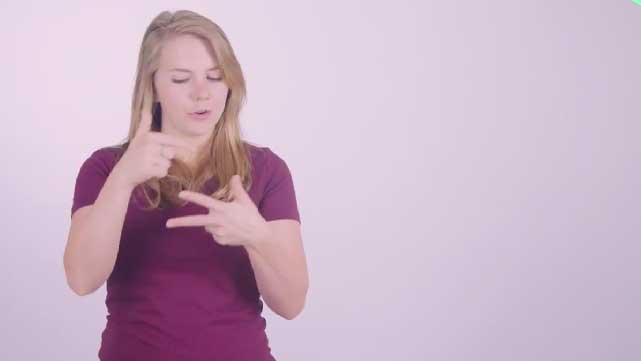

Step-by-step guide to Tell Us What's for Breakfast in ASL
Step 1
Gather your picture cards or toy breakfast foods your ASL reference sheet your mirror and a small tray.
Step 2
Pick six breakfast foods you know like eggs toast cereal banana pancakes or juice.
Step 3
Find each chosen food on your ASL reference sheet and point to the picture so you know where the sign is.
Step 4
Copy the handshape and movement for the first sign slowly in the air while looking at the reference.
Step 5
Practice that same sign in front of the mirror three times to make your hands match the picture.
Step 6
Repeat Steps 4 and 5 for each of the other foods until you have practiced all six signs.
Step 7
Choose the three to five foods that felt the clearest when you practiced to use in your video.
Step 8
Arrange those chosen items on the tray in the order you will sign them.
Step 9
Warm up your hands by gently shaking them to loosen your fingers for ten seconds.
Step 10
Record a short video where you sign each chosen breakfast item and hold each sign for two to three seconds while showing the matching food.
Step 11
Watch your video and pick your favorite take.
Step 12
With an adult's help share your finished creation on DIY.org
Help!?
What can we use instead of toy breakfast foods, picture cards, or a mirror if we don't have them?
If you don't have toy foods or picture cards, use real breakfast items or print images from the ASL reference sheet, and if you lack a mirror use your phone's front-facing camera to follow Step 4 and practice in Step 5.
My signs don't look like the pictures when I check the mirror—what should I do?
If your handshape doesn't match the ASL reference during Step 5, slow the movement, copy the picture handshape while comparing to the ASL reference sheet frame-by-frame, repeat the mirror practice three more times, and warm up your hands as in Step 9 before recording.
How can I change this activity for a 3-year-old versus a 10-year-old?
For a 3-year-old, limit Step 2 to two toy foods and have an adult model each sign while the child copies once in the mirror (Step 5), but for a 10-year-old, complete all six foods, practice each sign three times (Steps 4–5), then pick 3–5 clear signs for the video (Steps 6–8).
How can we make the recorded video more creative or personalized before sharing on DIY.org?
To personalize, write fingerspelled labels on small cards to place next to each item on the tray, arrange them in the signing order from Step 7, and edit the recording to add close-ups of your handshapes during the 2–3 second holds (Steps 8–12) before sharing.
Watch videos on how to Tell Us What's for Breakfast in ASL
Unusual Foods You'd Have for Breakfast Around the World
4 Videos

Unusual Foods You'd Have for Breakfast Around the World
Breakfast | Food Focus for Kindergarten | EYFS | Episode 2

Kids Try TikTok Secret Menu Food Hacks | HiHo Kids
30 Tasty Breakfast Ideas Your Kids Will Love And Won’t Get Bored
Facts about American Sign Language for kids
🤟 American Sign Language (ASL) is a full natural language used by an estimated 250,000–500,000 people in the U.S. and parts of Canada.
🥣 Studies show kids who eat a balanced breakfast often have better attention and memory at school — a great reason to learn breakfast signs!
🍳 Many ASL food signs imitate how you eat or the food's shape, like miming a sip for 'drink' or tapping your cheek for 'cookie.'
📹 Short videos (about 20–60 seconds) showing 3–5 signs are perfect for practicing and sharing with classmates or family.
😄 Facial expressions and body movement are part of ASL grammar — they add meaning like questions, size, or feeling.
How do I do the "Tell Us What's for Breakfast in ASL" activity?
What materials do I need for "Tell Us What's for Breakfast in ASL"?
What ages is "Tell Us What's for Breakfast in ASL" suitable for?
What are the benefits of practicing breakfast words in ASL?
