Study a Common Reptile
Observe a common reptile outdoors from a safe distance, record its features, behavior, habitat, and sketch or photograph it for a simple science report.


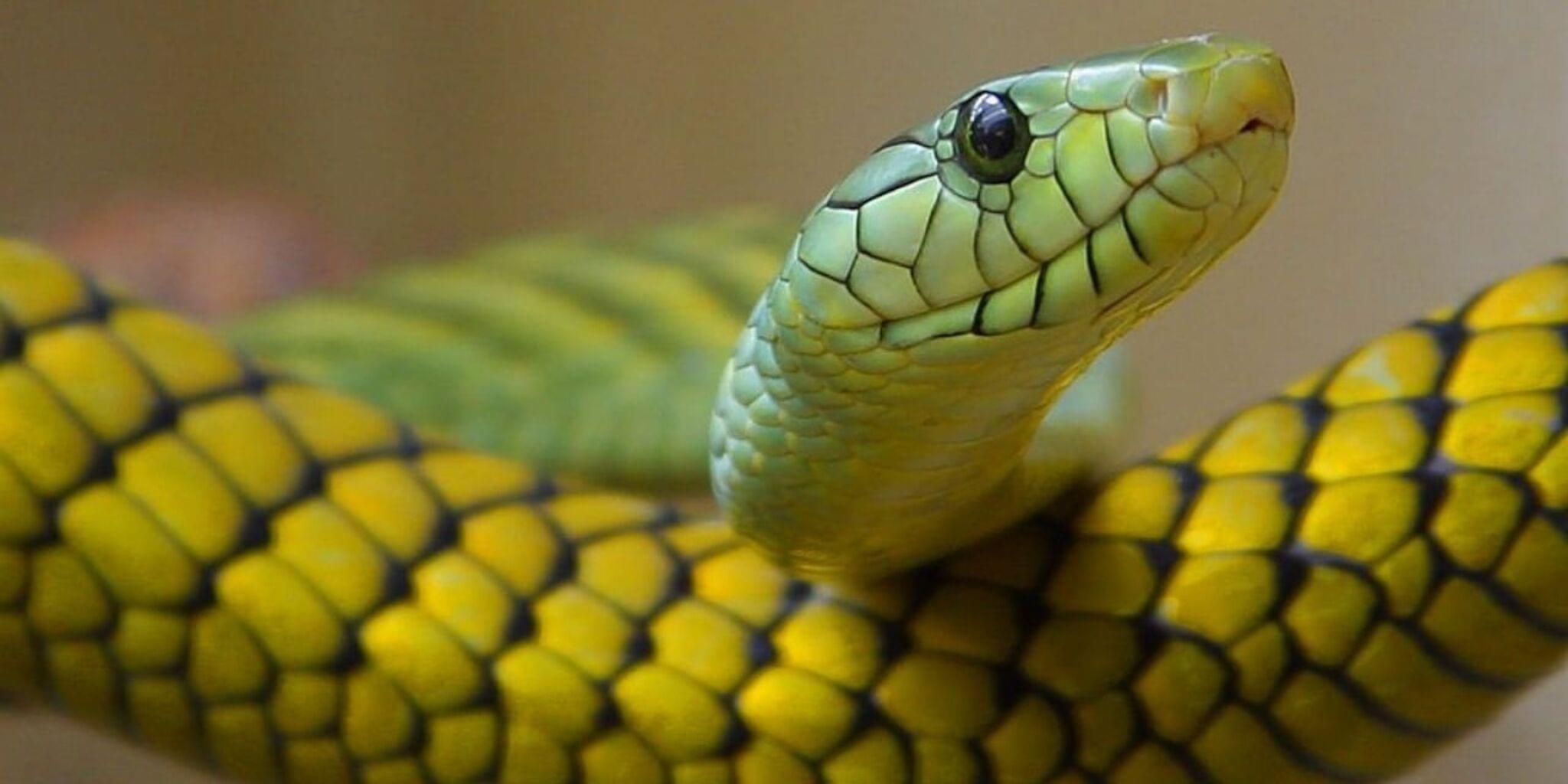

Step-by-step guide to study a common reptile
Vertebrate Biology Part I: Reptiles and Amphibians
Step 1
Put on comfortable shoes and sun protection if needed.
Step 2
Ask an adult to choose a safe outdoor spot to look for reptiles and to stay with you.
Step 3
Walk quietly to the chosen spot and sit where you can see without blocking any animal paths.
Step 4
Scan the area slowly until you spot a reptile and then stop moving.
Step 5
Stay at least three arm lengths away from the reptile and do not touch it.
Step 6
Record the reptile's physical features in your notebook such as color patterns scale type limb number and tail shape.
Step 7
Write down what the reptile is doing for example basking moving hiding or hunting.
Step 8
Describe the habitat where you found it such as on a rock in grass under a log or near water.
Step 9
Estimate the reptile's length using your hand or your ruler and write the measurement in your notebook.
Step 10
Sketch the reptile in your notebook or take a photo from a safe distance.
Step 11
Put a title date time and short weather note at the top of your page and organize your notes into a simple science report.
Step 12
With an adult's help share your finished science report and your sketch or photo on DIY.org.
Help!?
What can we use if we don't have a ruler, notebook, or can't access DIY.org?
If you don't have a ruler, use your hand or a piece of string to estimate length as the instructions suggest using your hand or your ruler, use any notebook or plain paper for notes and sketches, and if DIY.org is unavailable share the finished science report and photo with an adult by email or a printed copy.
What if the reptile keeps moving or hides before I can record it?
Follow the steps to stop moving, stay at least three arm lengths away, sit quietly and scan slowly until it relaxes or use a zoomed photo from a safe distance to capture its color patterns and behavior without disturbing it.
How can we adapt this activity for younger children or older kids?
For younger children simplify the task to a short title, date, one-line weather note, a quick sketch and an adult helping estimate length with a hand or ruler, while older kids can record detailed scale type, limb counts, exact measurements, GPS location and organize the observations into a full science report for DIY.org.
How can we extend or personalize the activity after finishing the science report?
Turn your sketch and notes into a personalized field guide or habitat map, compare multiple observations over time to track behavior or weather effects, and optionally submit photos to citizen-science platforms in addition to sharing on DIY.org.
Watch videos on how to study a common reptile
What's a Legless Lizard? | Serpents Surprise
3 Videos
What's a Legless Lizard? | Serpents Surprise
The Extraordinary Life Cycle Of A Salamander | The Dodo

Alligator Snapping Turtle vs Common Snapping Turtle
Facts about reptiles and wildlife observation
🦎 Reptiles are ectotherms — they rely on sun-warming and warm surfaces to control their body temperature.
🪤 Some lizards can drop their tail (autotomy) to escape predators, and the tail often regrows over time.
🌞 You’ll often see reptiles basking on rocks or logs in the morning to warm up and become active.
👅 Snakes use their forked tongues and a special Jacobson’s organ to 'taste' the air and find food or mates.
📸 Observing quietly from a safe distance, sketching, and photographing keeps animals calm and makes better science reports.
How do I study a common reptile outdoors from a safe distance?
What materials do I need to study a common reptile and make a simple science report?
What ages is studying a common reptile suitable for?
What safety tips should I follow when observing reptiles, and what are the benefits?
