Skill Up in Hand Lettering & Design
Learn hand lettering basics and simple design techniques to create colorful greeting cards, practice letter strokes, spacing, and decorate with patterns and borders.


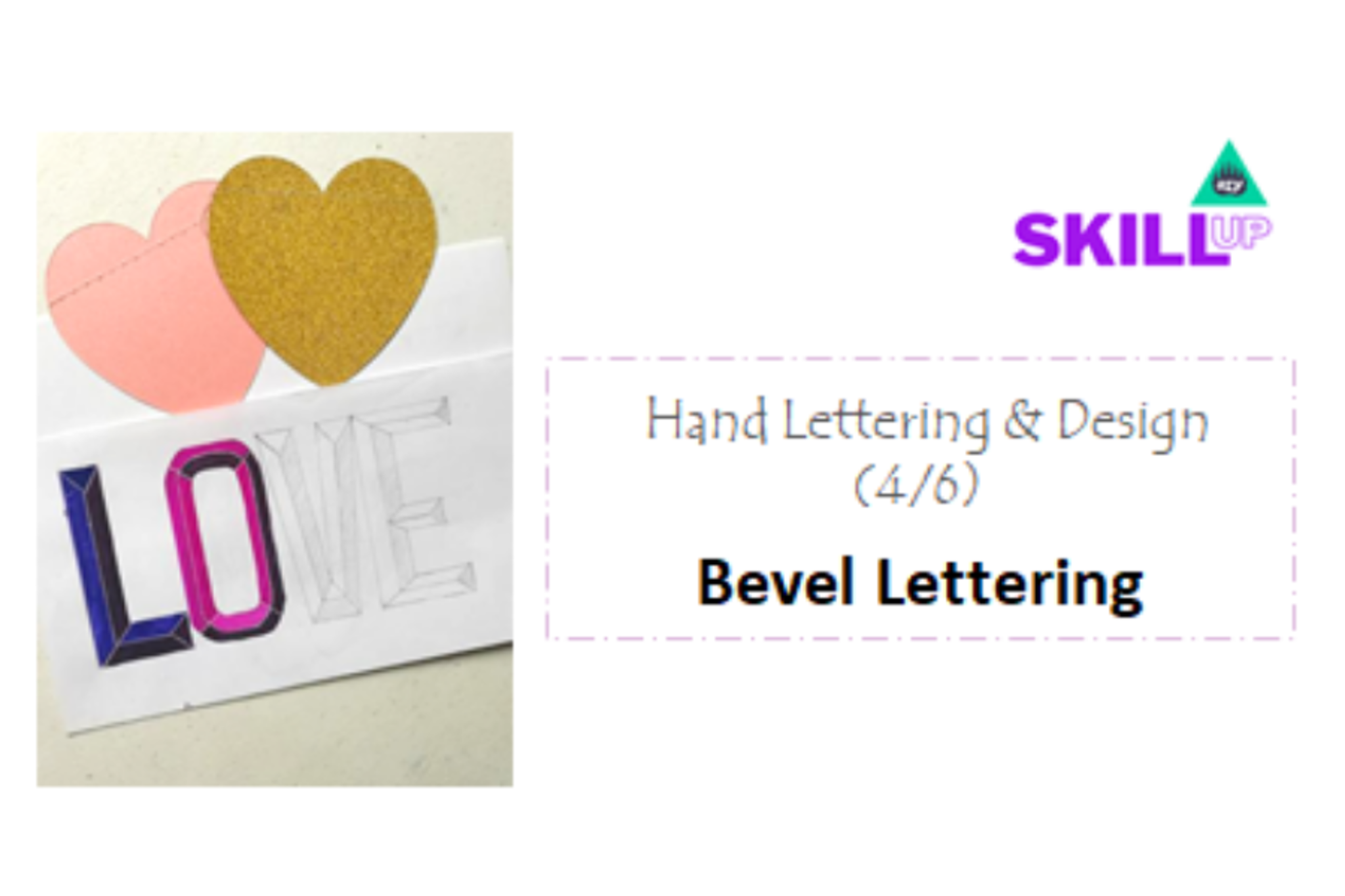

Step-by-step guide to Skill Up in Hand Lettering & Design
How To Write An Italic Hand
Step 1
Gather all your materials and spread them out on a clean flat workspace.
Step 2
Pick a short greeting message for your card like Happy Birthday or Thank You.
Step 3
Choose one lettering style to try such as block letters script or bubbly letters.
Step 4
On scrap paper practice basic strokes like upstrokes downstrokes and curves several times.
Step 5
On scrap paper write the letters of your chosen message to practice spacing between letters and words.
Step 6
Place your card and use the ruler to draw light pencil guidelines for the top baseline and center line.
Step 7
Lightly pencil your chosen message onto the card following your guidelines and the style you practiced.
Step 8
Carefully trace over your pencil letters with the fine-tip black pen.
Step 9
Draw a simple border around your message using the pen.
Step 10
Add small patterns like dots lines or leaves around the words using the pen.
Step 11
Color your letters patterns and border using your colouring materials.
Step 12
Gently erase any remaining pencil guidelines so your ink and colors stay clean.
Step 13
Share your finished creation on DIY.org
Help!?
What can we use if we don’t have a fine-tip black pen or a ruler?
If you don't have a fine-tip black pen, use a thin black marker or a sharpened mechanical pencil to trace over your penciled message, and if you don't have a ruler use the straight edge of a book to draw light pencil guidelines for the top baseline and center line.
My letters look uneven or my ink smudges when I trace—what should I do?
To fix wobbly letters or smudging when tracing with the fine-tip black pen, practice upstrokes, downstrokes, and spacing on scrap paper, trace slowly with light continuous strokes following your penciled guidelines, and wait a few minutes for the ink to dry before gently erasing pencil lines.
How can this activity be adapted for younger kids or older kids?
For younger kids, simplify by choosing chunky markers, larger letters, and pre-drawn templates instead of detailed pencil guidelines, while older kids can tackle script or block styles, add intricate patterns around the words, and experiment with shading and blending using their colouring materials.
How can we make the card more special or advanced after finishing the basic steps?
Enhance your card by adding a watercolor wash or colored background before inking, using a gold gel pen to accent the fine-tip black traced letters and border, or gluing small cut-out shapes for texture before you color patterns and share the finished creation on DIY.org.
Watch videos on how to Skill Up in Hand Lettering & Design
How To Start Writing Calligraphy
4 Videos
How To Start Writing Calligraphy

Learn to write the letters - Practicing handwriting - Alphabet for kids
How To Sketch Cool Lettering

Writing Skills
Facts about hand lettering and paper crafts
✍️ The word "calligraphy" comes from Greek words meaning "beautiful writing" — perfect for fancy cards!
🎨 Hand lettering blends drawing and letters, so every greeting card can also be a tiny piece of art.
🖌️ Brush pens let you make thick downstrokes and thin upstrokes in one move — great for playful styles.
🔠 Small spacing changes between letters (kerning) can make text much easier to read or more stylish.
💌 People have exchanged greeting cards for centuries — a handmade card is a timeless way to say you care.
How do I teach my child hand lettering to make greeting cards?
What materials do I need for hand lettering & design greeting cards?
What ages is hand lettering suitable for?
What are the benefits of teaching kids hand lettering?
